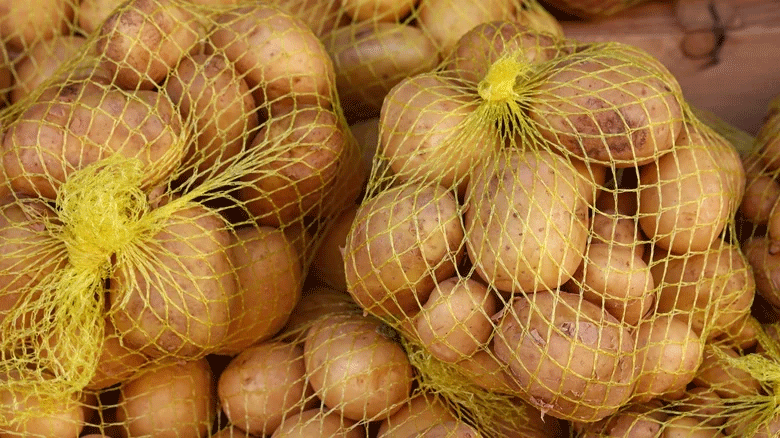
The guidance from a culinary expert to select potatoes in mesh or perforated packaging is more than just a shopping tip; it is a direct reflection of the fundamental physiology of the potato and a glaring inefficiency in the postharvest handling chain. As Chef Hales notes, potatoes are living, respiring organs, and their postharvest quality is profoundly influenced by their gaseous environment. The respiration process consumes oxygen and sugars, producing carbon dioxide, water vapor, and heat. When trapped in a non-breathable bag, this leads to a saturated, anaerobic microenvironment. This not only accelerates spoilage but also creates conditions ideal for the growth of pathogens like Fusarium and Phytophthora, which cause rot. Furthermore, the accumulation of ethylene gas, a potent plant hormone that potatoes both produce and are sensitive to, triggers accelerated sprouting and senescence, directly reducing shelf life and nutritional quality.
The impact of improper packaging at the retail level is a significant contributor to a much larger problem: food waste. The Food and Agriculture Organization (FAO) of the United Nations estimates that 30-40% of total food production is lost or wasted globally. For roots and tubers, this figure can be even higher, with a substantial portion of losses occurring at the distribution and consumption stages. A 2023 study in the Journal of Food Science and Technology highlighted that packaging designed to manage moisture and gases can reduce postharvest losses in fresh produce by up to 15%. For a potato farm, this translates directly to a higher percentage of its harvest successfully reaching the consumer’s plate. Investing in or partnering with packers who use breathable, high-performance packaging is not merely a cost; it is a strategic intervention that protects the quality of the product, reinforces the brand’s commitment to freshness, and contributes to a more sustainable and less wasteful food system.
The consumer’s quest for a breathable bag of potatoes is a clear market signal to the agricultural industry. It emphasizes that our responsibility for product quality does not end at the farm gate but extends through the entire cold chain to the point of sale. By applying postharvest science to packaging decisions—treating the bag as a controlled-atmosphere storage unit—producers can drastically reduce spoilage, enhance consumer satisfaction, and capture more value from their harvest. In an era of heightened focus on sustainability, optimizing this final step of the journey from field to fork is not just good science; it is essential business.
