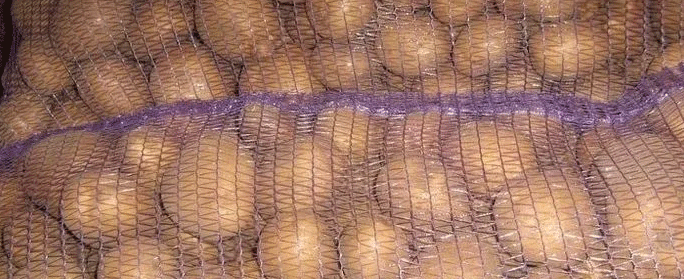
On September 15, 2014, inspectors from Rosselkhoznadzor (Russia’s agricultural watchdog) discovered a shipment of potatoes in Mordovia that lacked a mandatory quarantine certificate. The potatoes originated from Omsk Oblast, a region under quarantine due to the presence of the golden potato cyst nematode (Globodera rostochiensis)—a destructive pest that can reduce yields by up to 80% and persist in soil for decades (FAO, 2023).
Why This Matters
The golden nematode is a globally regulated pest, and its spread threatens potato production. According to the European and Mediterranean Plant Protection Organization (EPPO), infestations can lead to total crop losses in untreated fields. Despite the Mordovia shipment testing negative, the case exposed gaps in enforcement. Similar violations remain a problem: in 2022 alone, Russia reported over 1,200 cases of illegal plant product imports (Rosselkhoznadzor, 2023).
Legal Consequences and Industry Lessons
The importer was fined under Article 10.3 of Russia’s Administrative Code, but financial penalties alone may not deter future violations. Experts argue for stricter traceability systems, such as blockchain-based phytosanitary certificates, to prevent fraud. A 2023 study in Agriculture, Ecosystems & Environment found that digital certification could reduce illegal agri-food trade by 30%.
This incident underscores the critical need for vigilance in phytosanitary compliance. Farmers and agronomists must verify certifications, while policymakers should invest in modern tracking technologies to safeguard crops. The golden nematode is just one threat—climate change and global trade are accelerating pest risks worldwide.
