
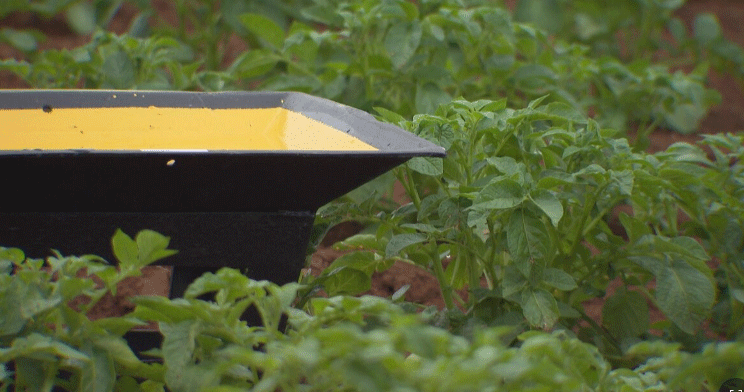
Potato growers on Prince Edward Island are demonstrating unprecedented vigilance against aphid threats, with participation in the provincial aphid surveillance program nearly doubling this season. This increased commitment to monitoring reflects growing concerns about the dual threats posed by aphids: direct damage from sap feeding and their role as vectors for potato viruses that can devastate crop quality and yield.
Expanded Surveillance Efforts
The provincial Agriculture Department’s long-standing aphid monitoring program has seen remarkable growth in participation this year. Farmers have installed aphid traps in nearly twice as many potato fields compared to previous seasons, significantly enhancing the industry’s ability to track and respond to pest pressures. The traps are emptied twice weekly, with data collected over the past three weeks already revealing substantial aphid populations.
Rodrigo Sampaio dos Santos, Potato Industry Coordinator for PEI’s Department of Agriculture, reported that monitoring has collected “a fairly significant number of these harmful insects” to date. This expanded surveillance network provides critical early warning data that helps growers make informed decisions about pest management strategies.
Aphid Threats: Beyond Direct Damage
Aphids pose a dual threat to potato production. Their direct feeding activity reduces plant vigor and can decrease yields by 15-25% in severe infestations. However, the greater concern lies in their ability to transmit over 50 different plant viruses, including:
- Potato Virus Y (PVY): Can cause yield losses of 10-80% depending on strain and timing of infection
- Potato Leafroll Virus (PLRV): Typically causes 20-50% yield reduction in infected plants
- Potato Virus A (PVA) and Potato Virus X (PVX): Often occur in complex infections that compound damage
According to recent research published in the American Journal of Potato Research, virus infections can reduce potato quality and marketable yield even more significantly than they affect total yield, with premium grade percentages dropping by 30-60% in affected fields.
Climate Connections and Population Dynamics
Aphid populations are strongly influenced by weather conditions, with mild winters and warm, dry springs typically leading to earlier and more severe infestations. Climate data from Agriculture and Agri-Food Canada indicates that warming trends have extended the aphid activity season by 2-3 weeks over the past decade in many potato-growing regions.
The 2023 Global Aphid Bulletin reported that changing climate patterns have altered aphid migration and population dynamics across North America, requiring adapted monitoring and management approaches.
Economic Impact and Management Costs
The economic consequences of aphid damage extend beyond yield losses. A 2024 study by the Canadian Potato Council estimated that:
- Aphid management costs average $85-125 per hectare for conventional growers
- Virus infections reduce seed potato certification rates by 15-40%
- Processing potato quality specifications result in rejection rates of 20-35% for virus-infected lots
- Overall economic impact of aphid-related damage exceeds $50 million annually in Canadian potato production
Integrated Pest Management Strategies
PEI’s enhanced monitoring program supports integrated pest management (IPM) approaches that include:
- Biological controls: Conservation of natural enemies including lady beetles, lacewings, and parasitic wasps
- Cultural practices: Crop rotation, weed management, and planting date adjustments
- Chemical controls: Targeted insecticide applications based on established economic thresholds
- Resistant varieties: Planting virus-resistant cultivars where available
Research from the University of Prince Edward Island shows that IPM programs incorporating robust monitoring can reduce insecticide applications by 30-50% while maintaining effective pest control.
Industry-Wide Collaboration
The increased participation in aphid monitoring reflects growing industry recognition of collective action benefits. The data gathered through this expanded network helps all growers by providing regional pest pressure information that informs management decisions across the production area.
The PEI Potato Board has partnered with researchers to develop predictive models that use monitoring data to forecast aphid population trends and virus transmission risks, allowing for proactive rather than reactive management approaches.
The dramatic increase in aphid monitoring participation among Prince Edward Island potato growers demonstrates the agricultural community’s commitment to proactive pest management and sustainable production practices. This enhanced vigilance is essential for addressing the dual threats of direct aphid damage and virus transmission in an era of changing pest pressures and climate dynamics. The collaborative approach to surveillance provides critical data that supports informed decision-making, reduces unnecessary pesticide use, and helps maintain the productivity and quality that define Canada’s potato industry. As aphid pressures continue to evolve in response to environmental changes, such comprehensive monitoring programs will become increasingly vital for protecting potato crops and ensuring economic sustainability for growers. The PEI model offers valuable insights for potato production regions worldwide facing similar challenges with aphid pests and virus disease management.
