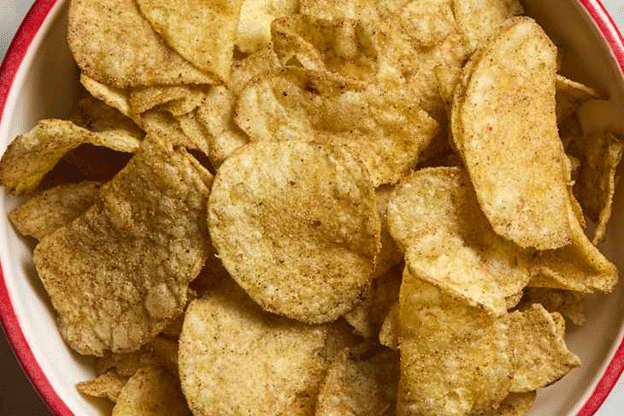
The humble potato chip has long been a staple of casual snacking — crisp, salty, and dependable. But as consumer palates evolve and the demand for globally inspired flavors grows, snack companies are being challenged to think beyond the traditional. Enter Keya’s Snacks, a new brand from chef and entrepreneur Keya Wingfield, that’s taking the potato chip to flavorful new heights with its debut flavors: Bombay Spice and Black Salt.
Wingfield, a Food Network Spring Baking Championship Season 7 winner, has leveraged her culinary creativity and Indian heritage to deliver chips that are as rich in cultural storytelling as they are in taste. Unlike mass-market varieties that play it safe with salt or sour cream and onion, Keya’s chips pack bold, layered flavor, with spice blends inspired by Indian street food and regional snacks.
Why This Matters to Agriculture Professionals
While the chip may be the final product, its rise speaks volumes about shifts in potato sourcing, value-added product development, and global food innovation. According to Mordor Intelligence, the global potato chips market was valued at USD 31.2 billion in 2023, and is projected to grow at a CAGR of 4.3% from 2024 to 2029. With snack trends now driven by ethnic flavor exploration, health-conscious ingredients, and ingredient traceability, new brands like Keya’s are helping shape a more dynamic and inclusive potato product landscape.
Notably, Keya’s Snacks are made with sturdy, thick-cut potatoes, ideal for dips and sauces — which has become a sought-after feature among consumers. The company does not use artificial flavors or additives, aligning with the clean label trend that continues to reshape consumer buying habits.
The success of Keya’s launch — with chips selling out in stores across Richmond, Virginia, and now available for nationwide shipping — also reflects broader trends in direct-to-consumer food retailing and small-batch production scaling, opening opportunities for potato growers and processors to partner with emerging food entrepreneurs.
These kinds of niche, high-demand products can drive premium pricing for specialty-grade potatoes, especially varieties known for their texture and fry performance. For example, Russet Burbank, Yukon Gold, and Red Norland potatoes are among those commonly favored for chip-making due to their starch content and structural integrity.
The Cultural Edge
Keya Wingfield’s use of spice blends like kala namak (black salt) — a tangy, sulfurous ingredient popular in Indian chaats — or the warming, aromatic profiles of Bombay masala represents a fusion of tradition and innovation. In doing so, Keya’s Snacks also tap into a growing consumer curiosity for authentic, regional flavors that go beyond the mainstream, positioning the brand at the crossroads of food culture and commerce.
Keya’s Snacks is more than just a viral potato chip—it’s a case study in how culinary creativity, cultural heritage, and agricultural innovation can come together in a product that resonates with modern consumers. For farmers, agronomists, and food industry professionals, this trend highlights the growing value of diversified, high-quality raw materials and the potential for new market channels through premium, internationally inspired potato products.
