In its 2023 Pesticide Data Program (PDP) Annual Summary, the U.S. Department of Agriculture (USDA) has delivered reassuring news for both consumers and the agricultural community: over 99% of the tested food samples had pesticide residues below…
In recent years, agricultural scientists have been exploring more sustainable and effective methods of protecting crops from disease, and a team of researchers at the Siberian Federal University (SFU) has made a promising breakthrough for potato farmers.…
In an exciting development for the potato industry, researchers from Siberian Federal University (SFU) have introduced a new pre-planting treatment that could revolutionize the way potatoes are protected from fungal diseases. This innovative method involves dipping or…
Russia’s agricultural industry is facing a severe challenge as the country’s potato reserves are projected to be depleted by early 2025, according to recent data from Izvestia. The 2024 potato harvest experienced a significant decline of 15%,…
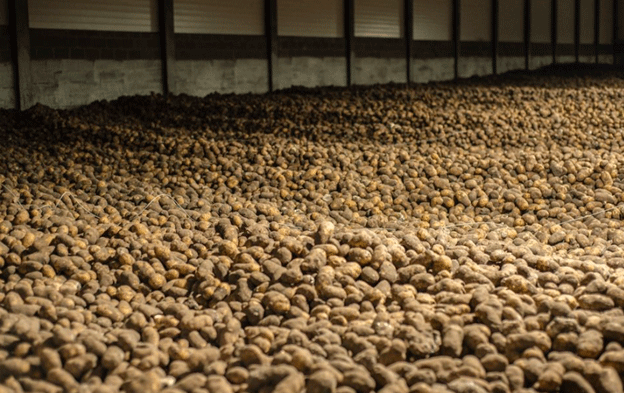
As potato farmers brace for a challenging season, efficient storage has never been more important. The 2024 potato harvest in Russia is expected to be lower than last year, with forecasts suggesting a 15% decline in yields.…
Potato farming in Bavaria is under severe threat from the Reed Glassy-Winged Leafhopper (Hyalesthes obsoletus), a small insect less than a centimeter long, yet capable of causing devastating crop damage. Once limited to sugar beet fields, this…
As climate change continues to disrupt traditional farming practices, U.S. farmers are facing increased risks from unpredictable weather patterns, including more frequent droughts, heat stress, and erratic rainfall. To counter these challenges, researchers from the U.S. Department…
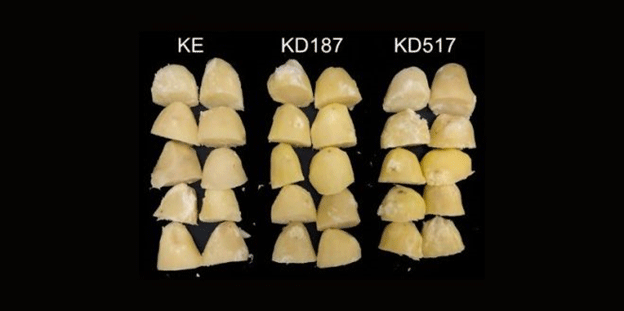
In a significant leap forward for agricultural biotechnology, researchers from the Swedish University of Agricultural Sciences have utilized CRISPR/Cas9 technology to create a new generation of potatoes with enhanced resilience to both biotic and abiotic challenges. This…
Pseudomonads produce a wide array of antimicrobial compounds including 2,4-diacetylphloroglucinol (DAPG), which possess a broad-spectrum antagonistic effect against phytopathogens. Rhizospheric soil samples were collected from the Solanaceous crops for isolation of fluorescent pseudomonads (FPs). Out of the…
The 1840s Irish potato famine stands as a stark reminder of the devastating impact plant diseases can have on food security. The blight that ravaged Ireland’s potato crops, caused by the pathogen Phytophthora infestans, led to widespread…
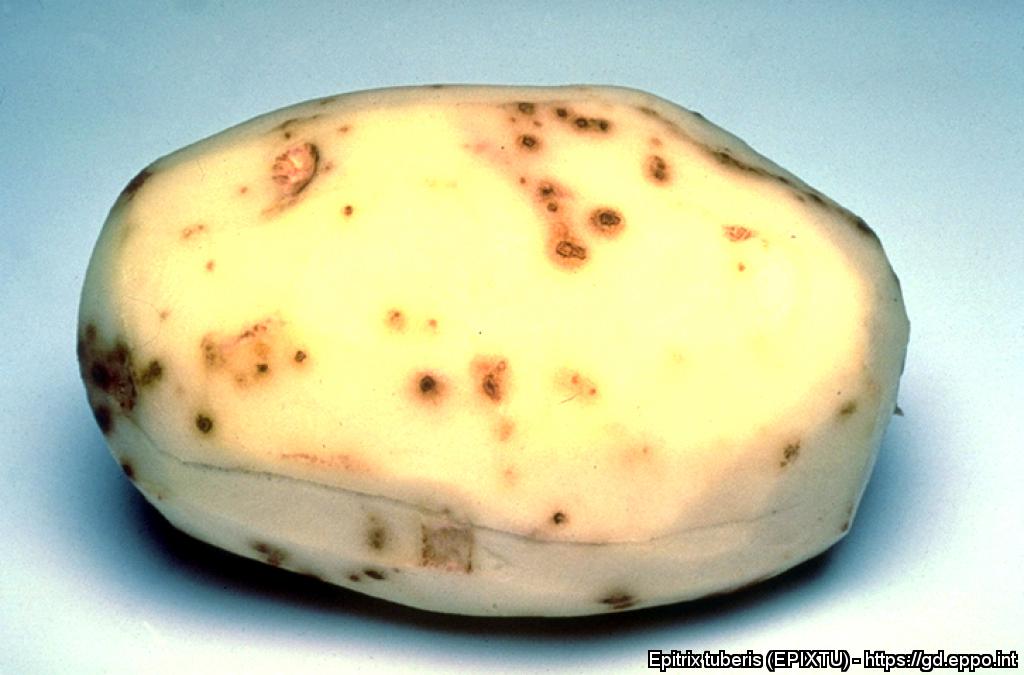
Epitrix tuberis and E. cucumeris are major pests of potatoes in North America. E. tuberis causes the most serious damage because the larval feeding can cause superficial serpentine tunnelling on the surface of tubers as well as deeper pits. This damage can…
A Call for Collaboration in Potato Cultivation and Protection The agricultural community, particularly those involved in potato cultivation, is currently facing significant developments regarding the management of potato wart disease. On August 8, the Canadian Food Inspection…