Global: Potato Protein Moves From Byproduct to Premium Ingredient
Starch-industry potato juice, once a disposal problem, now yields food-grade protein with functionality that commands premium prices in plant-based foods.
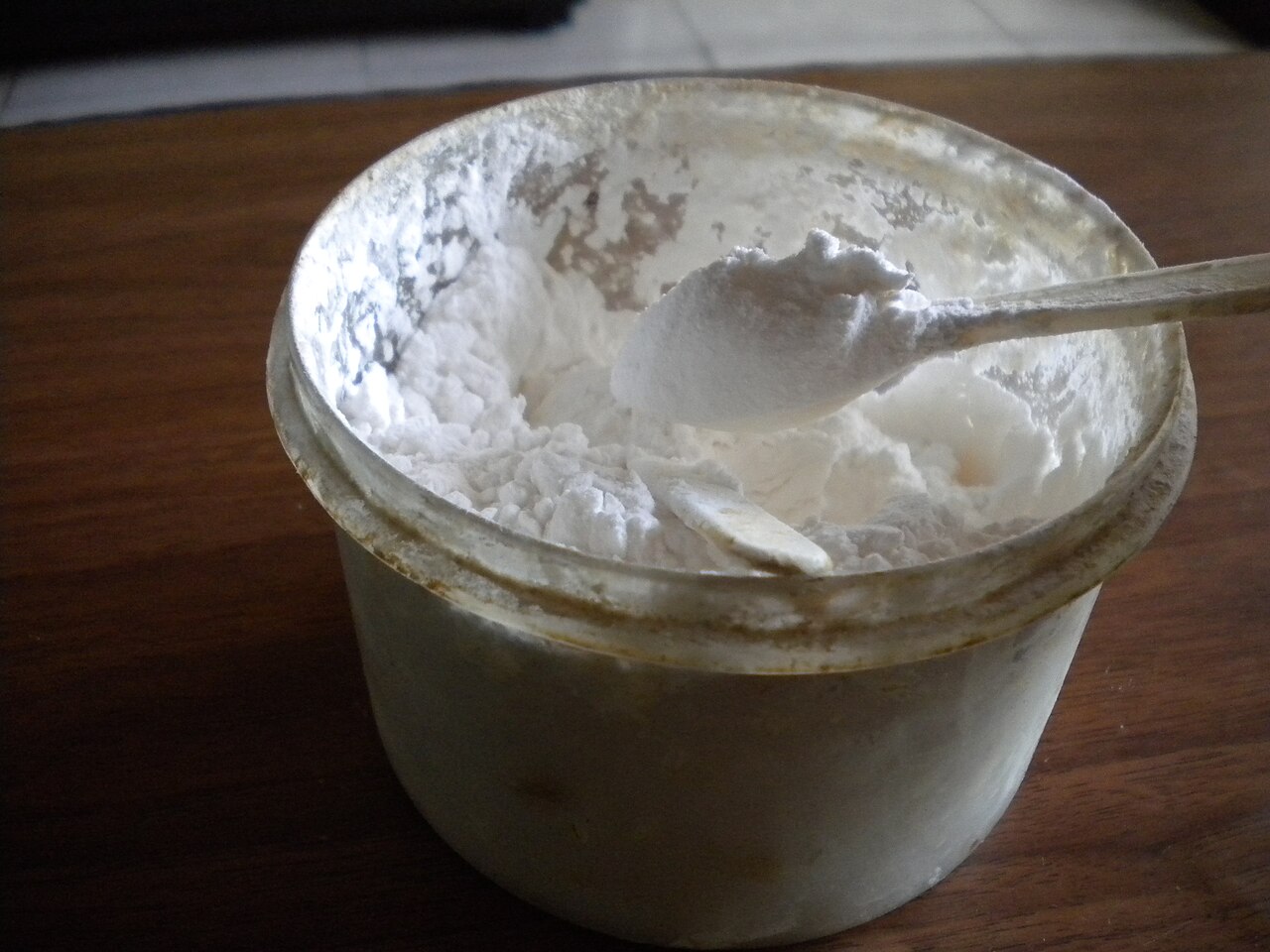
Potato protein, extracted from the juice left over from starch manufacturing, has completed a remarkable transition: from an expensive disposal headache to a premium ingredient for plant-based foods, sports nutrition and specialty bakery.
Potato starch production releases millions of cubic metres of potato juice containing about 1% protein, and that protein has exceptional functionality: foaming, emulsifying and gelling properties that let it replace egg white in some applications.
Improved fractionation and gentle drying have lifted food-grade yields and flavor profiles, overcoming the bitter off-notes that long confined potato protein to feed markets.
Weekdays. Unsubscribe in one click.
Demand from plant-based meat and dairy-alternative manufacturers has grown steadily, and starch producers now position protein recovery as a core profit center rather than a waste-treatment cost.
Analysts see further upside as food formulators seek allergen-free, non-soy protein sources with clean labels. The constraint is supply: potato protein output is structurally tied to starch processing volumes, which limits how fast the ingredient can scale.
Sources: PotatoPro, 2017; PotatoPro, 2024; PotatoPro, 2018