Drought Tightens Grip on England as 2026 Potato Harvest Faces Worst Outcome Since the 1950s
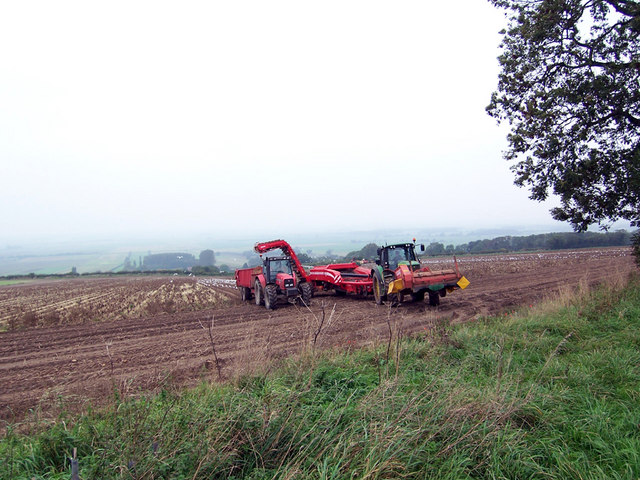
The Environment Agency's weekly drought report for 2 to 8 October 2026 confirms that 11 areas of England are now in drought status, with Yorkshire formally moving into drought on 9 October. The agency reports that some farm irrigation reservoirs — the lifeline for potato and vegetable growers in dry years — are holding between just 0 and 20 per cent of capacity as the critical harvest period for maincrop potatoes comes to a head.
The water shortage has forced emergency regulatory flexibility. According to the Environment Agency and the National Farmers' Union, the agency has issued regulation position statement RPS 382, allowing some licence holders to fill their reservoirs outside the usual period between 1 and 31 October 2026. The measure is designed to capture any available autumn water for winter storage, but growers warn it may come too late for this year's crop.
The financial toll on the sector is already being counted. An analysis published on 17 September 2026 by the Energy and Climate Intelligence Unit (ECIU) estimates that British potato farmers face losses of between £80 million and £169 million, with Great Britain losing a further 0.44 million tonnes of potatoes as a result of the summer drought. The ECIU analysis, covering both the UK and Europe, concluded that more than 3 million tonnes have been knocked off the combined potato crop.
Weekdays. Unsubscribe in one click.
Karen Betts, chief executive of the Food and Drink Federation, told The Times on 9 October 2026 that the 2026 UK potato harvest could be the worst since the 1950s, pointing to notably small tubers after what was the hottest summer on record. Small tubers hit growers twice: yields per hectare fall, and the size profile of the crop creates problems for processors and packers who need consistent grades for chips, crisps and pre-pack lines.
The drought caps a season of extremes. After the hottest summer on record, soils across the main potato-growing regions of eastern and northern England entered autumn with severe moisture deficits. Growers without access to irrigation — or whose abstraction licences curtailed pumping as river flows dropped — have been lifting crops early or watching tubers stall in dry ridges.
The government response, while significant, predates the current escalation. In August 2026, the government announced a farm support package worth £65 million in total: £50 million through the Sustainable Farming Incentive (SFI) and a further £15 million Water Management Grant aimed at helping farms build and improve reservoirs. Announcing the package, the Prime Minister said farmers "should not carry the risk of a changing climate alone." Industry bodies say the reservoir funding is welcome but argue that permission, planning and construction timescales mean little of that capacity will be available before next season at the earliest.
For the potato supply chain, the immediate questions are practical: how much of the maincrop can still be lifted in dry, hard soils without damage; how much of what is harvested will meet size and quality specifications; and how quickly processors and retailers will adjust contracts and prices to reflect a shorter, smaller crop. The ECIU loss estimate of £80–169 million for farmers does not include knock-on costs for packers, processors and import substitution.
The Environment Agency's next weekly drought report is expected to update the status of the 11 drought areas and reservoir stocks across England. With the RPS 382 window closing on 31 October 2026, growers are watching both the skies and the agency's abstraction guidance for any sign of relief.