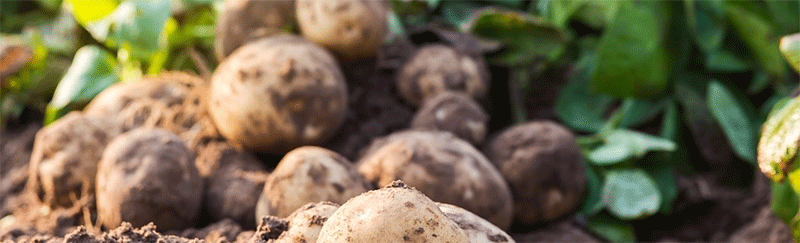
As the vegetable planting season kicks off in Biysk, a sudden and prolonged cold snap in the Altai region has left some gardeners worried about their future harvest. However, according to Tatyana Koretskaya, head of the “Medic” gardening community, the cold is not the main threat. She explains that the key to success is planting only when the soil is warm and “fluffy”; planting tubers in cold ground will yield nothing. While some brave gardeners started planting potatoes and tomatoes in greenhouses as early as late April, the peak of potato planting usually begins in early May. Regarding potato varieties, locals strongly prefer tried-and-tested types like yellow-fleshed “Gala” (considered the tastiest, especially for mashed potatoes) and “Rozara”. Although blue potatoes are said to be healthier for people with cardiovascular diseases and diabetes, Biysk residents reject them due to their unpleasant taste.
According to both home gardeners and professional farmers like Shukhrat Baratov, the real enemies of potatoes are not unexpected frosts but pests (Colorado beetles and click beetle larvae) and diseases (alternaria and late blight). To protect their crops, gardeners use various methods: soaking seed tubers in special “poisons,” adding onion skins and eggshells to the holes, or manually collecting beetles. Farmers emphasize the importance of crop rotation and renewing seed material every three years to prevent disease. While the Colorado beetle is a nuisance, the click beetle larva (wireworm) is far more dangerous as it rots tubers from the inside. Finally, an expert reminder for a long-lasting harvest: after digging up the potatoes in early September, they must be thoroughly dried and sorted before storage, a step many buyers unfortunately ignore.