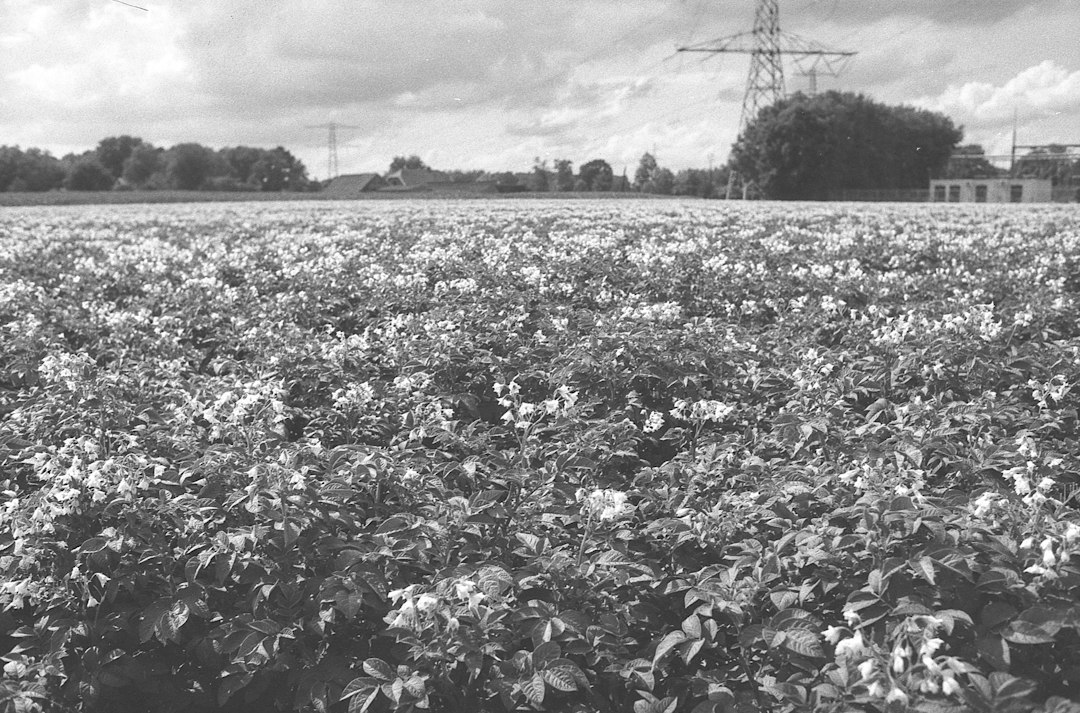
The fight against the Colorado potato beetle in 2026 looks drastically different from a decade ago. Warmer winters, extended warm periods, and the beetle’s growing resistance to chemicals have turned traditional protection strategies into largely ineffective measures. Research shows that the pest has already developed resistance to over fifty different insecticides worldwide. With high fertility—hundreds of eggs per female—and 1 to 3 generations per season, the beetle rapidly selects for the most resilient individuals, especially when gardeners use the same products year after year. The result is that once-reliable chemicals now deliver only partial effects: some beetles die, but survivors form resistant populations that continue to destroy crops while passing their immunity to offspring.
Modern approaches no longer rely on finding a single “strongest poison” but instead emphasize combining mechanical, agronomic, biological, and chemical methods. Regular hand-picking of beetles and egg clusters, proper crop rotation, planting repellent crops, mulching, and careful use of biopreparations with limited insecticide applications yield far more sustainable results. Equally important is prevention—removing plant debris in autumn, reducing nightshade crop areas, early planting, and using companion plants make the garden less attractive to the pest. In conditions where the beetle has learned to survive even where any insecticide once worked, only this integrated strategy allows gardeners to preserve their harvest without turning their plots into testing grounds for chemicals and accelerating resistance even further.
Защита в РФ · справка редакции
Weekdays. Unsubscribe in one click.
Колорадский жук (Leptinotarsa decemlineata): что зарегистрировано на картофеле в России
- Протравливание клубней (IRAC 4A): Круйзер, КС (тиаметоксам) — № 041-01-9719-0, до 09.12.2028; Имидор Про, КС (имидаклоприд) — № 018-01-3536-1, до 17.03.2032; Такер, КС (клотианидин) — № 178-01-3853-1, до 01.11.2032.
- Опрыскивание по вегетации, неоникотиноиды (IRAC 4A): Биская, МД (тиаклоприд) — № 019-01-3722-1, до 28.06.2032; Актара, ВДГ (тиаметоксам) — № 041-01-4386-0, до 25.01.2027.
- Пиретроиды (IRAC 3A): Шарпей, МЭ (циперметрин) — № 021-01-2589-1, до 12.03.2030.
- Спиносад (IRAC 5): Спинтор КА, СК — № 866-01-4186-1, до 20.08.2033.
- Резистентность: каждую группу IRAC применяйте не чаще одного раза за сезон; не повторяйте группу 4A по вегетации после протравливания клубней препаратом той же группы; чередуйте 4A, 3A и 5.
Справка редакции potatoes.news по Реестру пестицидов и агрохимикатов, разрешённых к применению на территории РФ (Минсельхоз России, версия от 29.09.2026). Перечень не исчерпывающий, приведён в информационных целях и не является рекомендацией конкретных препаратов или производителей. Нормы расхода, сроки ожидания и кратность обработок — строго по регламенту в Реестре и на этикетке; перед применением убедитесь, что регистрация действует.