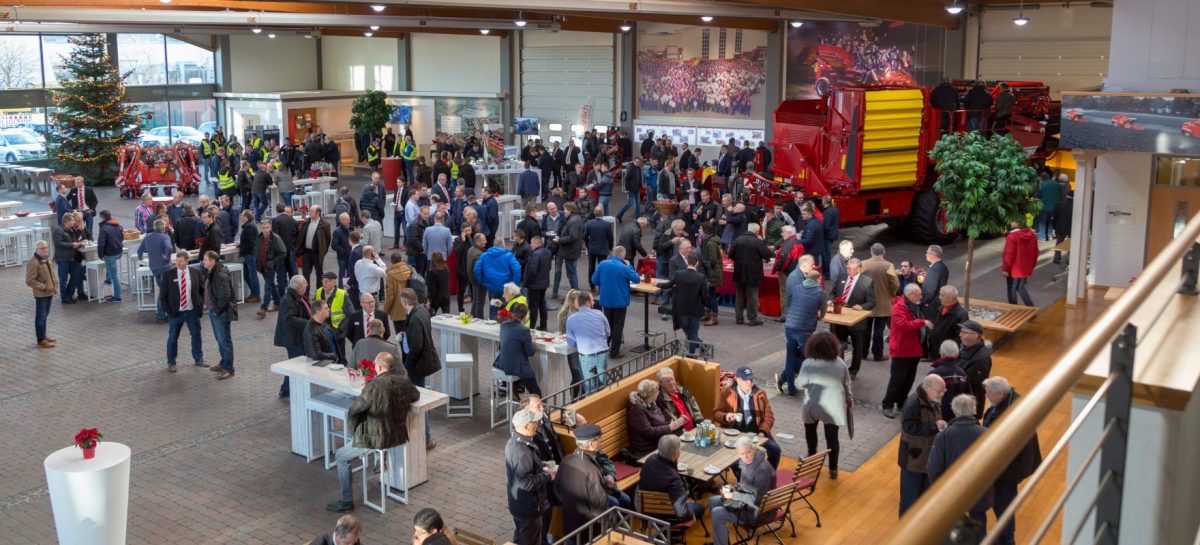
Jeongseon-gun in Gangwon Province, South Korea, has announced the full-scale launch of the “Support Project for an Excellent Model of Field Agriculture (Potato) Mechanization,” aimed at strengthening the competitiveness of its key potato-producing region and addressing chronic rural labor shortages. The project operates by purchasing agricultural machinery required for potato cultivation and offering long-term leases to farming corporations meeting certain size criteria, with a focus on promoting field-centered mechanization and establishing shared-use systems to enhance work efficiency. The local government has allocated a total of 1.1 billion won (including national funds) for the initiative, which will be implemented by the end of the year, supporting three agricultural corporations including the Imgye Agricultural Cooperative and two other farming associations. Specifically, 15 types of potato production machinery—70 units in total, including tractors—will be purchased and leased long-term to each corporation, with a shared-use framework enabling efficient deployment according to seasonal work cycles. This approach is expected to increase equipment utilization rates while significantly reducing the financial burden of machinery purchases on individual farms.
Earlier, in late April, a potato planter demonstration was held in Bongjeong-ri, Yeoryang-myeon, to enhance on-site applicability and help farmers better understand the technology. In parallel, the Agricultural Machinery Rental Office will provide technical guidance and safety management training to ensure stable project operations. Through this initiative, the county aims to raise the mechanization rate of field agriculture, alleviate rural labor shortages, and build a stable farming foundation that contributes to increased farm incomes. Lee Gyeong-cheon, Director of the Agricultural Technology Center, emphasized that “field agriculture mechanization is not an option but a necessity,” adding that the county will continue to enhance agricultural productivity and efficiency by establishing a sharing-oriented mechanization model.