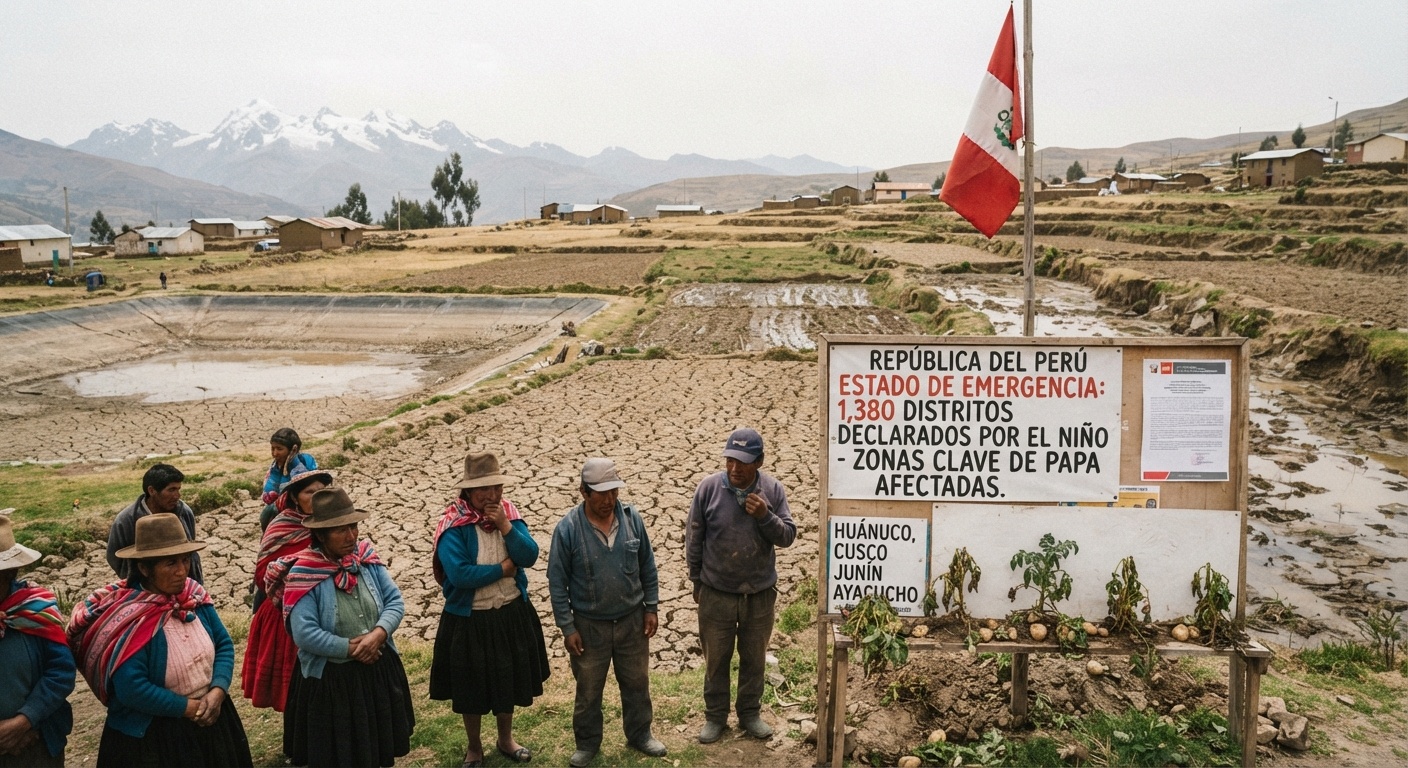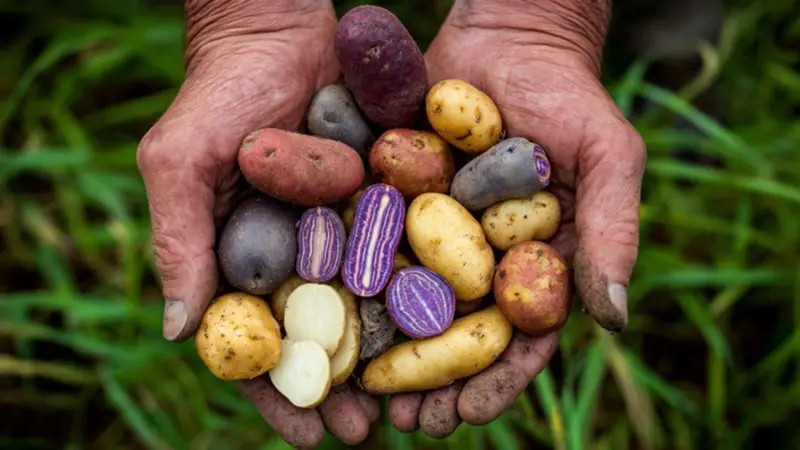
The potato is far more than a staple food in Bolivia—it is a cornerstone of cultural identity, food security, and rural economics. As global organizations highlight its strategic importance on the world stage, local communities in Bolivia are proving how this ancestral crop can foster sustainable development and drive modern entrepreneurial innovation.
Below is an in-depth look at how the potato is transforming rural communities, specifically focusing on the agricultural hub of Morochata, and the academic initiatives paving the way for its future.
The Economic Heartbeat of Morochata
In the department of Cochabamba, the municipality of Morochata stands out as one of Bolivia’s most critical potato-producing regions. Here, potato farming is not just a job; it is the fabric of daily life.
Weekdays. Unsubscribe in one click.
- High Participation: According to Simay Vera, Director of the Business Administration program at Franz Tamayo University (Unifranz), over $90\%$ of Morochata’s residents are directly involved in potato cultivation. It serves as their primary source of nutrition, income, and local employment.
- Production Scale: Data from the Ministry of Rural Development and Land (MDRyT) shows that Morochata features more than $8,000$ hectares of land dedicated to potato crops, tended to by approximately $3,500$ local farmers.
- The Structural Challenge: Despite these impressive yields, the region faces a persistent hurdle: the lack of adequate local industrial infrastructure to process raw potatoes into high-value-added products.
Unifranz Initiative: Transforming Raw Agriculture into Industry
To bridge the infrastructure gap, business administration students from Unifranz Cochabamba designed a comprehensive model for a local potato processing plant. This project aims to diversify market offerings, reduce waste, and increase profit margins for local campesino families.
The proposed facility focuses on four high-potential value-added products:
- Potato Chips: Tapping into the popular snack food market.
- Mashed Potato Powder / Purée: Providing long-shelf-life options for urban consumers.
- Potato Starch: Supplying essential raw materials to various food and chemical industries.
- Frozen French Fries (Papas Bastón): Catering to the growing fast-food and restaurant sectors.
Commitment to Sustainability
The Unifranz model goes beyond economics by embedding strict eco-friendly practices into its design:
- Circular Resource Loops: Reusing organic waste as fertilizer or animal feed.
- Resource Optimization: Implementing advanced water-conservation systems.
- Carbon Reduction: Minimizing emissions and prioritizing energy-efficient processing technologies to ensure long-term environmental viability.
Climate Resilience and Cultural Value
According to the Food and Agriculture Organization (FAO), the potato is uniquely positioned to combat global food insecurity exacerbated by climate change. Thanks to its genetic diversity and adaptability to high-altitude and harsh mountain environments, the crop offers crucial climate resilience for Andean farming communities.
In Bolivia, this agricultural adaptability merges with rich cultural heritage, showing that ancestral practices combined with modern green innovation can secure a sustainable future for rural ecosystems.
Information Sources
This article was prepared using data from the specialized agricultural portal Argenpapa (argenpapa.com.ar, news item # $17335$), featuring research and project reports from the Franz Tamayo University (Unifranz), Cochabamba campus, alongside statistical databases from the Ministry of Rural Development and Land (MDRyT) of Bolivia.