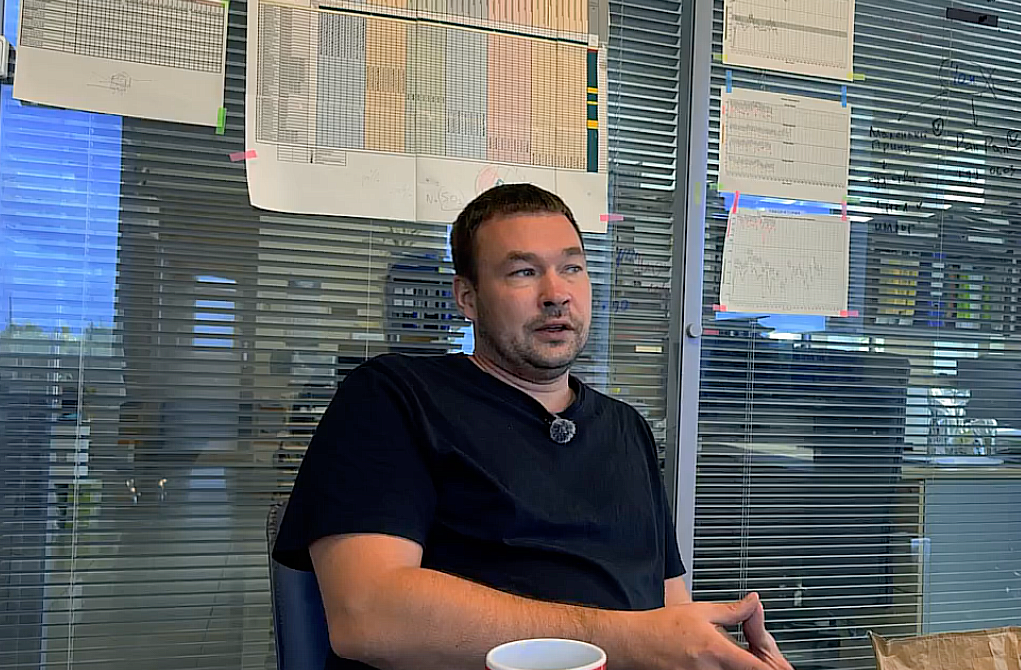
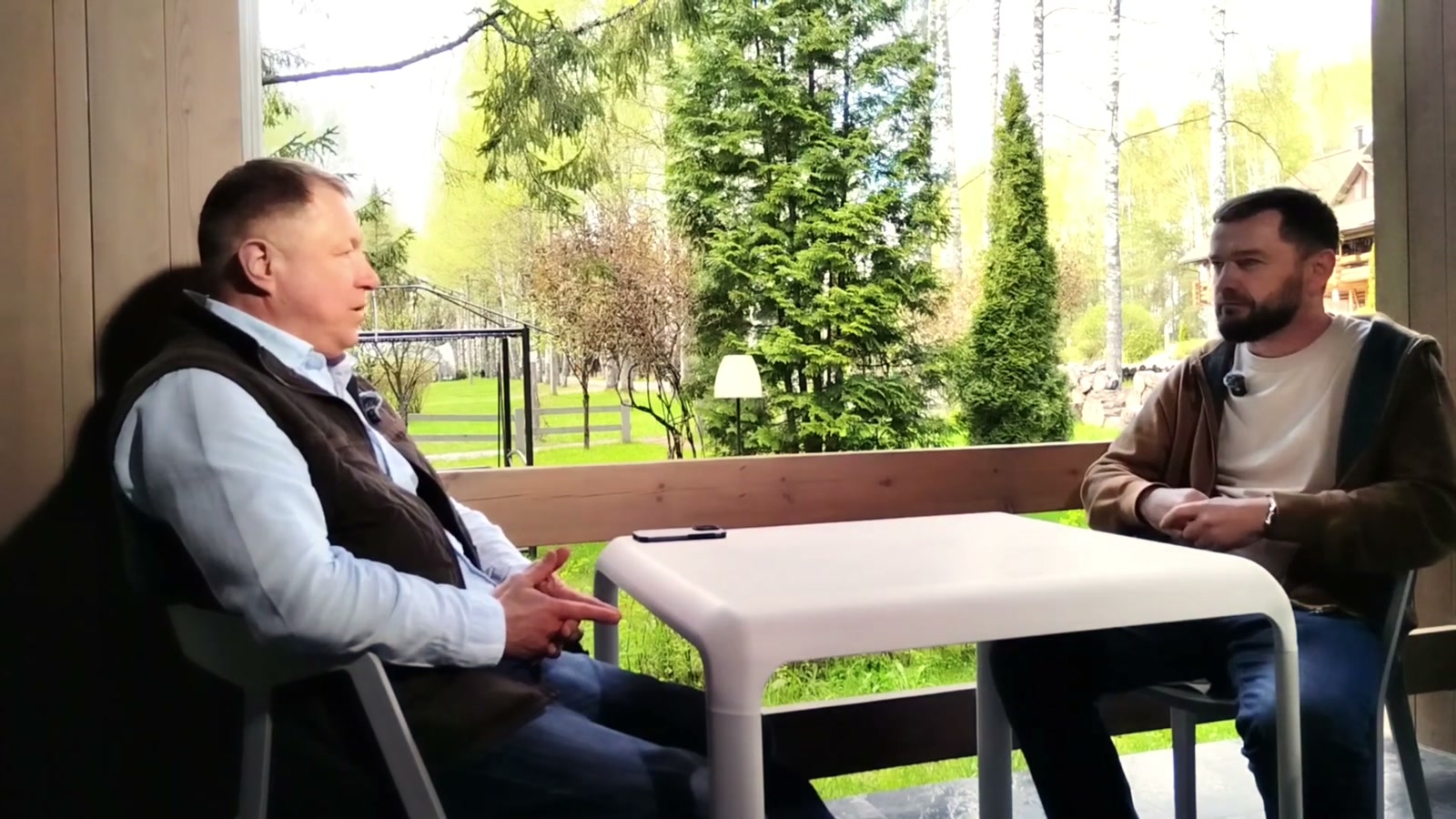
In an International Potato Tour interview published in May 2025, Kostroma Potato founder Alexander Pilipchuk tells Viktor Kovalev how the group moved from importing German seed potatoes to multiplying them locally. He also describes how the group balances contract production and its own sales, and why seed-grade tuber size matters to its business.
From importing varieties to multiplying seed locally
Pilipchuk says the group’s story began in 2000 with Norika-Slavia, which imported seed potatoes bred by Norika in Germany and worked on variety trials and registration in Russia. As importing first-reproduction seed became more expensive, the group began bringing in higher-class seed and multiplying it locally. Kostroma Potato’s own website dates the company’s founding to 2005 and says it was set up to supply Russian-grown seed of Norika varieties.
A target of 70% under contract
At the time of the interview, Pilipchuk described three operating sites and three storage locations across the Kostroma and Yaroslavl regions, and about 500–550 hectares devoted to high-grade seed potatoes. He said the group aimed for 70% contract production and 30% for its own sales. He described licensed first-reproduction Gala as the main variety in those own sales.
Weekdays. Unsubscribe in one click.
Judging a seed crop by size as well as yield
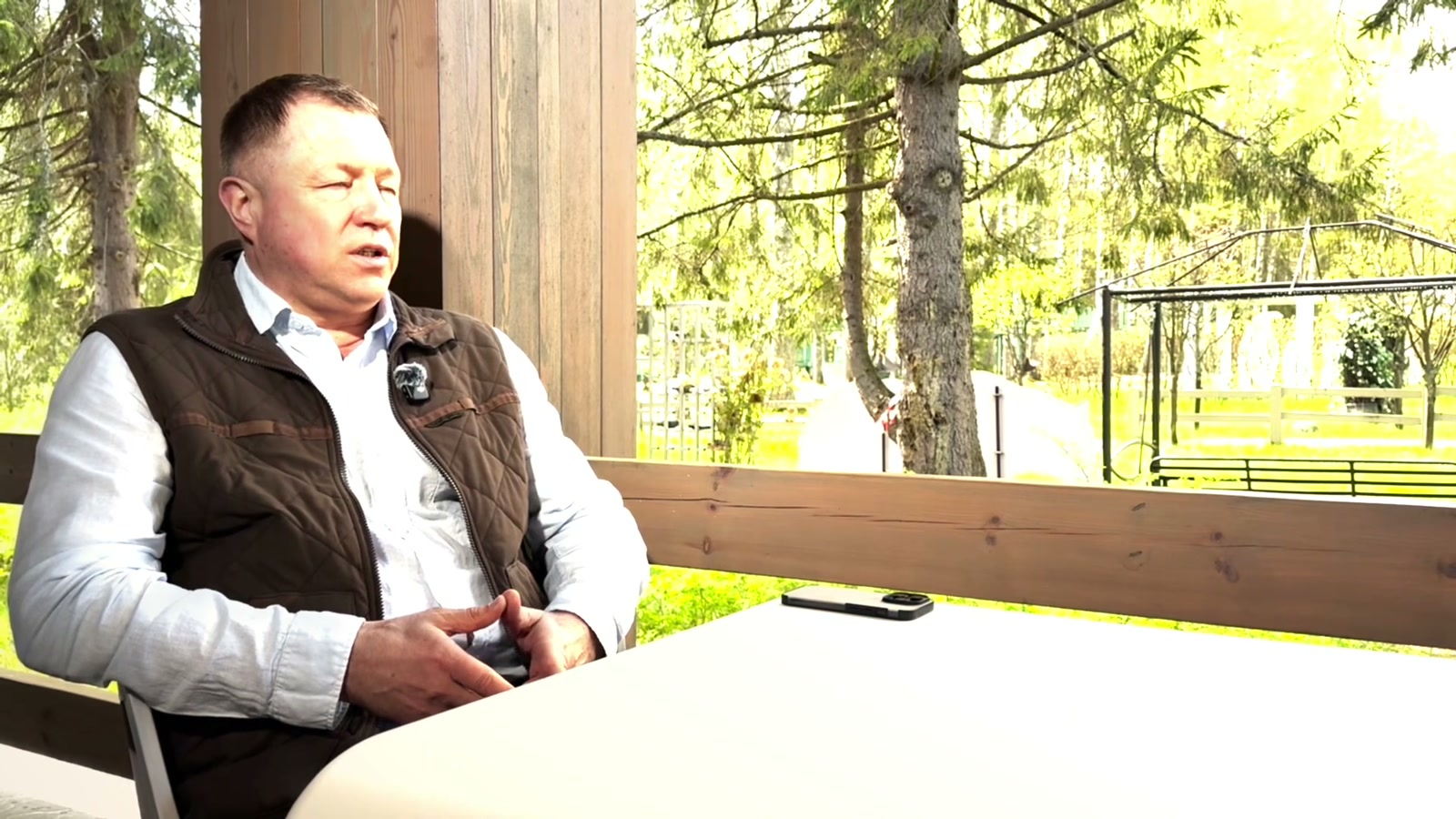
Pilipchuk says the group aims for roughly 80% of the crop to fall into the seed size grade. His account explains why the team stops crop growth at the point needed to reach that grading target. Yield matters to the farm’s economics, with the share that meets seed specifications also determining what it can sell.
Land and staff shape what comes next
Pilipchuk’s plan was to stabilise production at 500–600 hectares of seed potatoes, complete site and storage works and find suitable land nearer the facilities. He also described shortages of skilled staff, including machine operators and agronomists, and said the group had students training through a targeted placement programme.
Watch the full interview
Watch the interview on YouTube
Chapters in the RUTUBE recording
- 01:51 Introducing Alexander Pilipchuk
- 02:25 How Norika-Slavia started importing seed
- 03:15 The move to local multiplication
- 04:18 Production sites and seed area
- 04:40 The contract production and own-sales target
- 06:16 The seed size grade
- 09:15 Land and storage plans
- 10:46 Table and processing varieties
- 13:25 Staffing and training
Sources
- Kostroma Potato, company history and seed varieties
- Kostroma Potato, management
- Norika, official Gala variety profile
This article first appeared on 3 December 2025. This update adds chapters and details from the original interview.