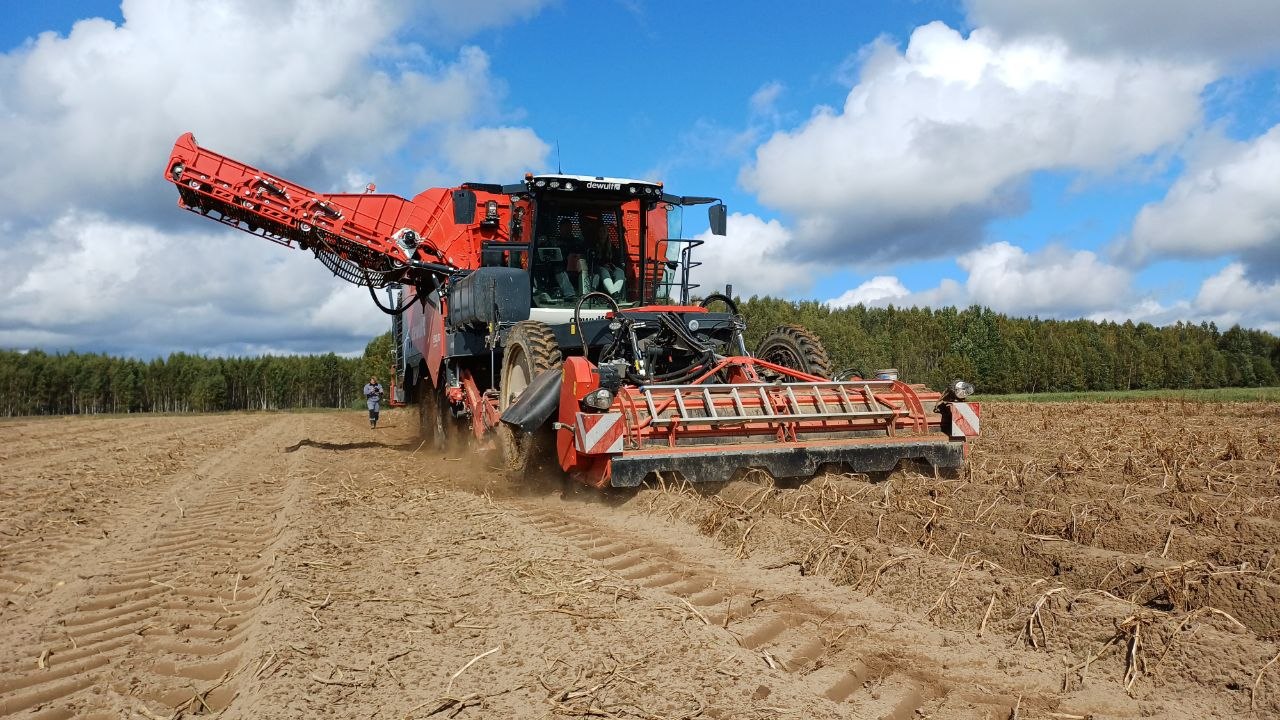
The Russian Ministry of Agriculture forecasts a 2025 potato harvest of 7.5 million tons, a rebound from 2024’s decline but still below the record 8.2 million tons achieved in 2023 (Rosstat). The Potato Union’s executive director, Alexey Krasilnikov, notes that planted areas have expanded by 10,000 hectares, potentially adding 250,000 tons to production.
However, the sector faces lingering challenges. In 2024, reduced planting led to a potato shortage, driving imports from China, Egypt, and other suppliers. By May 2025, average retail prices surged to 91.77 RUB/kg, nearly triple 2024 levels (Parlamentskaya Gazeta). While seasonal price drops are expected in July, long-term stability remains uncertain.
Key Factors Driving Price Volatility
Agroexpert Leonid Kholod identifies critical pressures:
Weekdays. Unsubscribe in one click.
- Seed dependency: Russia relies heavily on imported seed potatoes, with domestic varieties covering only 60% of demand (Ministry of Agriculture, 2024).
- Climate risks: Unpredictable weather, including droughts and late frosts, threatens yields.
- Fragmented supply chains: Small-scale farmers struggle with market access, limiting efficiency.
Consumer Trends and Regional Disparities
Surveys reveal only 25.5% of Russians grow potatoes, while 46% refuse even amid high prices. The Far East leads in household production, whereas urban centers like Moscow show the least engagement (Public Opinion Foundation, 2025).
Path Forward: Strengthening Domestic Capacity
To mitigate future crises, experts urge:
- Expanding seed breeding programs to reduce import reliance.
- Improving storage and logistics to minimize post-harvest losses (currently 15-20% in some regions).
- Supporting smallholders through cooperatives and subsidies.
While 2025’s potato harvest signals recovery, Russia’s agricultural sector must address systemic weaknesses—seed dependency, climate adaptation, and supply chain inefficiencies—to ensure stable prices and food security. Strategic investments in research and infrastructure will be pivotal for long-term resilience.