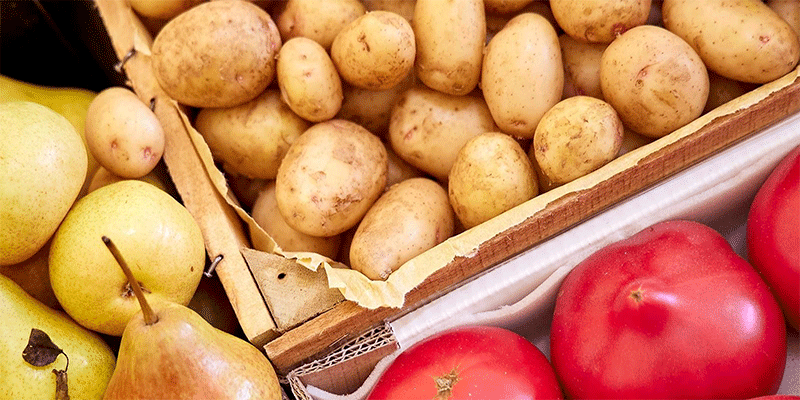
Young potatoes, now available at weekend farmers’ markets, are gaining popularity not just for their taste but also for their nutritional superiority. Studies show that young tubers contain 30% more vitamin C than mature potatoes, supporting immunity, heart health, and metabolism (Journal of Agricultural and Food Chemistry, 2024).
Market Demand and Regional Supply
In Moscow alone, weekend markets sell an average of 13 tons of young potatoes per weekend, making it a top-10 most purchased product. Key supplying regions include Tambov, Voronezh, Lipetsk, and Ivanovo, offering popular varieties such as ‘Colombo,’ ‘Red Scarlett,’ ‘Aurora,’ ‘Nevsky,’ ‘Zhukovsky,’ ‘Sineglazka,’ and ‘Udacha.’
Nutritional and Digestive Benefits
Young potatoes have lower starch content, making them easier to digest, while their thin, unpeeled skin retains higher levels of potassium, magnesium, and antioxidants (Food Science & Nutrition, 2025). However, experts warn against consuming green-tinged tubers, which contain solanine, a natural toxin formed due to sun exposure.
Culinary Versatility and Consumer Trends
Farmers and food scientists highlight that young potatoes are ideal for boiling, roasting, grilling, or frying, pairing well with fresh produce like onions, herbs, and dairy. Market data shows that 65% of buyers combine them with smoked meats, mushrooms, or seasonal vegetables.
Quality Assurance and Market Growth
With over 40 Russian regions supplying fresh produce, Moscow’s weekend markets have attracted 2 million visitors in 2025 alone. Strict veterinary checks ensure quality, while modern refrigeration maintains freshness.
Young potatoes present a high-value opportunity for farmers, agronomists, and food producers. Their nutritional benefits, strong consumer demand, and versatility make them a profitable crop. By focusing on quality cultivation and market trends, stakeholders can maximize returns in this growing segment.
