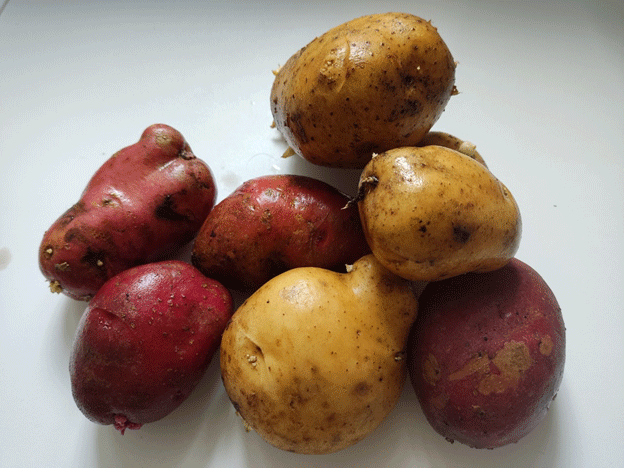
In just one year, potato prices in Russia’s Krasnoyarsk region have surged by an astonishing 70.8%, making it the fastest-growing food item in local inflation statistics. This dramatic increase reflects broader shifts in vegetable markets, input costs, and supply dynamics that every agricultural professional should understand.
According to recent data from Krasnoyarskstat, consumer prices in the Krasnoyarsk region of Russia continued to rise steadily as of March 2025. While the overall annual inflation rate reached 11.1%, potatoes outpaced all other food items with a staggering 70.8% increase in price over the past 12 months.
In March 2025 alone, potatoes saw a monthly increase of 8.2%, surpassing the growth rates of other vegetables such as:
- Tomatoes: +10.9%
- Carrots: +9.6%
- Cabbage: +8.1%
These trends are not isolated to Krasnoyarsk. Nationally, Rosstat confirms that fresh vegetable prices have climbed sharply due to:
- Poor harvests in several Russian regions in 2024 due to adverse weather (including prolonged drought in Siberia and early frosts in the Central Federal District).
- Increased input costs, especially for fuel, fertilizers, and plant protection chemicals, many of which saw price hikes of 20–40% due to currency fluctuations and import dependencies.
- Growing transportation and storage expenses, which disproportionately affect bulky and perishable crops like potatoes.
- A higher export demand, particularly from Central Asian markets like Kazakhstan and Uzbekistan, which have been importing more Russian potatoes to compensate for local deficits.
Data from the Food and Agriculture Organization (FAO) supports this inflationary trend in Eastern Europe and Central Asia, noting that potato prices across Eurasia increased on average by 25–35% year-over-year—though Krasnoyarsk’s 70.8% stands out as an extreme case.
For comparison, wheat flour prices in the region rose by 7.2%, beef by 6.1%, and natural coffee by 6.2%. Non-food items also saw price surges, but none as steep as those affecting staple vegetables.
For farmers, agronomists, and agricultural planners, the sharp rise in potato prices in Krasnoyarsk is both a warning and an opportunity. On one hand, it reflects vulnerabilities in production, logistics, and market structure. On the other, it signals a chance to reinvest in domestic potato farming, post-harvest infrastructure, and cost-efficient technologies. With price volatility likely to continue, those who adapt early with smart planning and resilient systems will lead the next phase of profitable potato production in the region.
