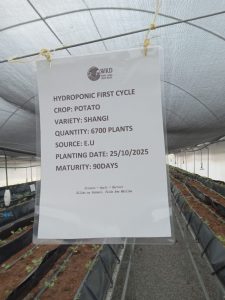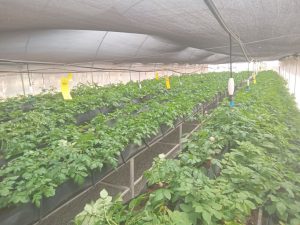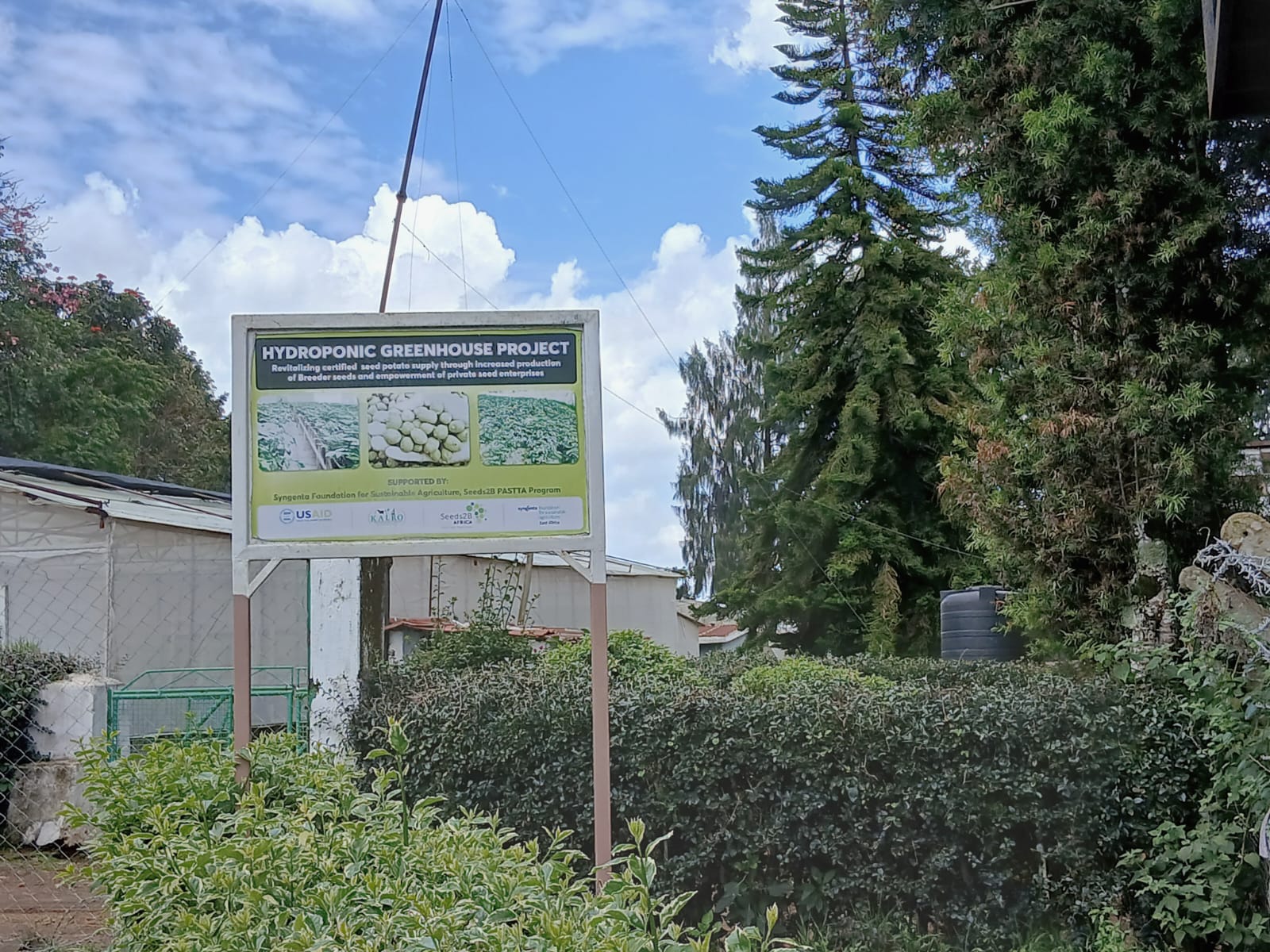
Kenya’s potato sector is undergoing a major transformation as soilless seed production technologies hydroponics and aeroponics replace traditional soil-based systems. These controlled-environment methods are increasingly viewed as the long-term solution to the country’s persistent shortage of certified potato seed.
Why soilless systems matter
For decades, productivity has been constrained by the use of recycled seed, which leads to degeneration, low yields and susceptibility to diseases such as bacterial wilt and late blight. Soilless systems address this challenge by producing clean, disease-free planting material in highly controlled environments.
How soilless production works
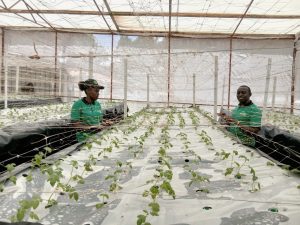
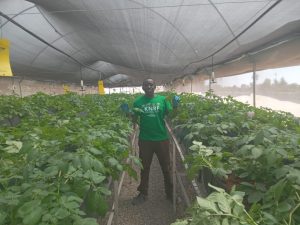
- Hydroponics: Plants grow in sterile inert media with nutrients supplied through a recirculating solution.
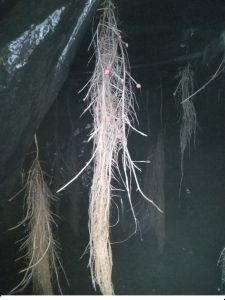
- Aeroponics: Roots are suspended in enclosed chambers and fed with a timed nutrient mist.
Both systems eliminate soilborne pathogens while enabling precision control over nutrients, water and sanitation.
Exceptional multiplication rates
Both soilless systems offer much higher multiplication efficiency than soil-based methods:
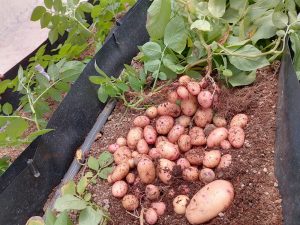
Hydroponics
-
10–25 mini-tubers per plant
-
Consistent tuber size due to controlled nutrient and moisture conditions
-
Lower disease exposure and uniform growth
Aeroponics
Aeroponic technology offers particularly high multiplication efficiency:
- 20-60 mini-tubers per plant
- Over 3,000 mini-tubers per m² per cycle
- Multiple harvests per season
This makes soilless systems ideal for accelerating early-generation seed (EGS) production.
Strengthening early-generation seed supply
Hydroponics and aeroponics significantly reinforce the foundation of the potato seed value chain by:
- Producing large volumes of clean pre-basic and basic seed
- Reducing the number of field multiplication cycles needed
- Minimizing disease exposure
- Ensuring a more consistent flow of certified seed to farmers
A robust early-generation seed system is essential for stabilizing national certified seed availability.
Expanding adoption in Kenya
A growing number of institutions and companies are investing in soilless potato seed production:
- Public agencies operating hydroponic and aeroponic systems for EGS
- Private companies scaling commercial production using controlled-environment technologies
- Universities and research institutions supporting research, training and foundational seed production
Clean starter materials including rooted apical cuttings and in-vitro plantlets are supplied by specialized propagation units to maintain disease-free production from the outset.
A Structural shift in the potato seed system
The adoption of hydroponics and aeroponics marks a long-term transformation of Kenya’s potato seed industry. By modernizing early-generation seed production and expanding controlled-environment capacity, the country is positioned to:
- Close the certified seed gap
- Increase national potato productivity
- Reduce dependence on soil-based systems
- Strengthen the resilience and reliability of the seed supply chain
The future of Kenya’s potato seed production is increasingly rooted in controlled, soilless environments powered by innovation and modern agricultural technologies.