
Small Potatoes, Big Industry: How Longyang Town Built Rural Prosperity

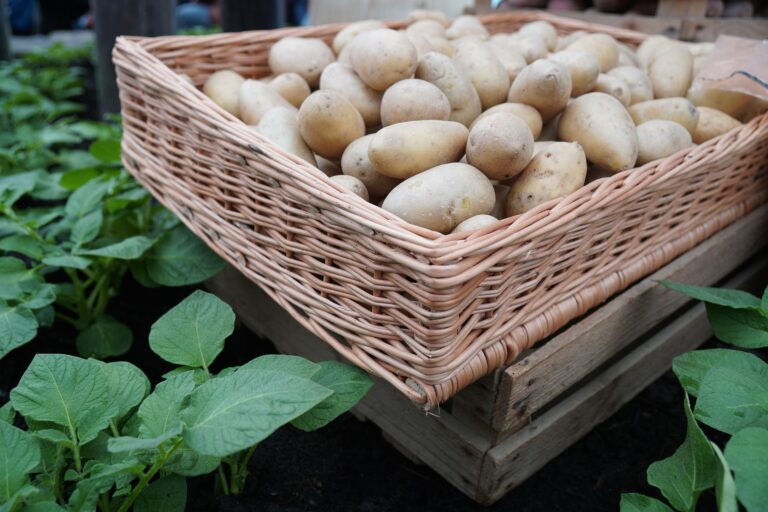
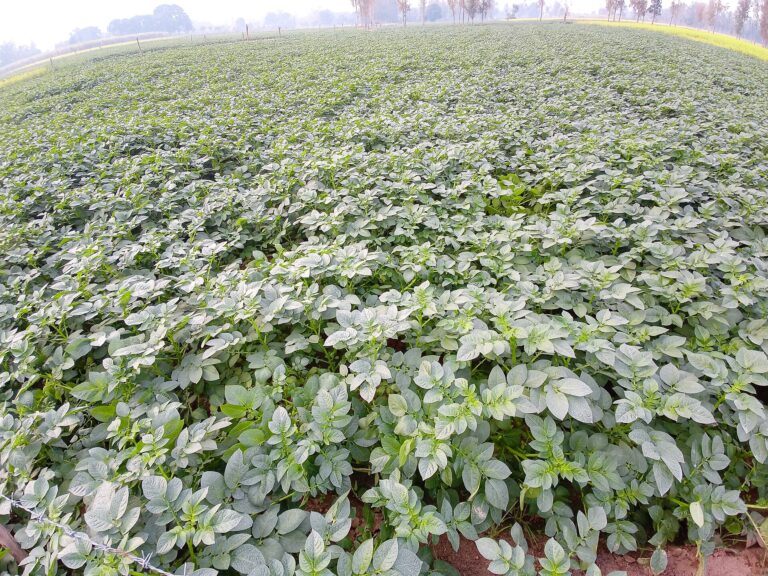
In Longyang Town, Tengzhou City, the spring potato harvest is in full swing, and local farmers are reporting record yields. As one of the core production areas for the “Tengzhou Potato” national geographical indication product, Longyang planted 30,000 mu (approximately 2,000 hectares) of spring potatoes this year. According to local growers, the average yield exceeds 8,000 jin (4,000 kg) per mu, with per-mu income increasing by 1,000 yuan compared to last year. Farmers note that the tubers this season are uniform in size with smooth skin, indicating high quality. The key to this success lies in the cooperative model of “cooperative + base + members + semi-management,” which provides farmers with unified access to seeds, fertilizers, management, subsidies, harvesting, and sales, while guaranteeing purchase prices — eliminating market risks for growers.
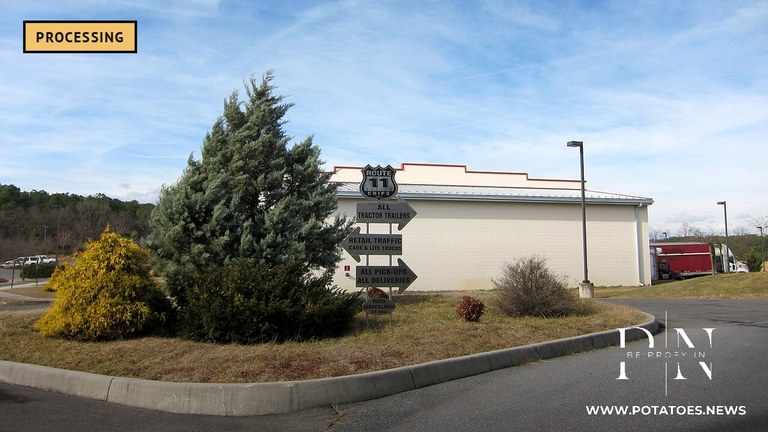
Beyond conventional potatoes, colored varieties have also become a new source of income for local farmers. Varieties such as “Black Diamond,” “Red Beauty,” and several others are rich in anthocyanins and vitamins, commanding a purchase price more than 0.5 yuan per jin higher than ordinary potatoes. These colorful tubers are sold through both e-commerce and wholesale channels to chip factories and supermarkets across China, as well as exported to Japan and other countries. Longyang has also developed deep processing capabilities: relying on a new potato deep-processing project, the town can process 300,000 tons of fresh potatoes annually — equivalent to the output of nearly 100,000 mu — producing over 50,000 tons of potato flakes and composite flours, 4,000 tons of chips and fries, and 3,000 tons of “potato rice.” From field sales to value-added processing, Longyang has transformed small potatoes into a thriving industry that steadily fills villagers’ pockets.