
Introduction
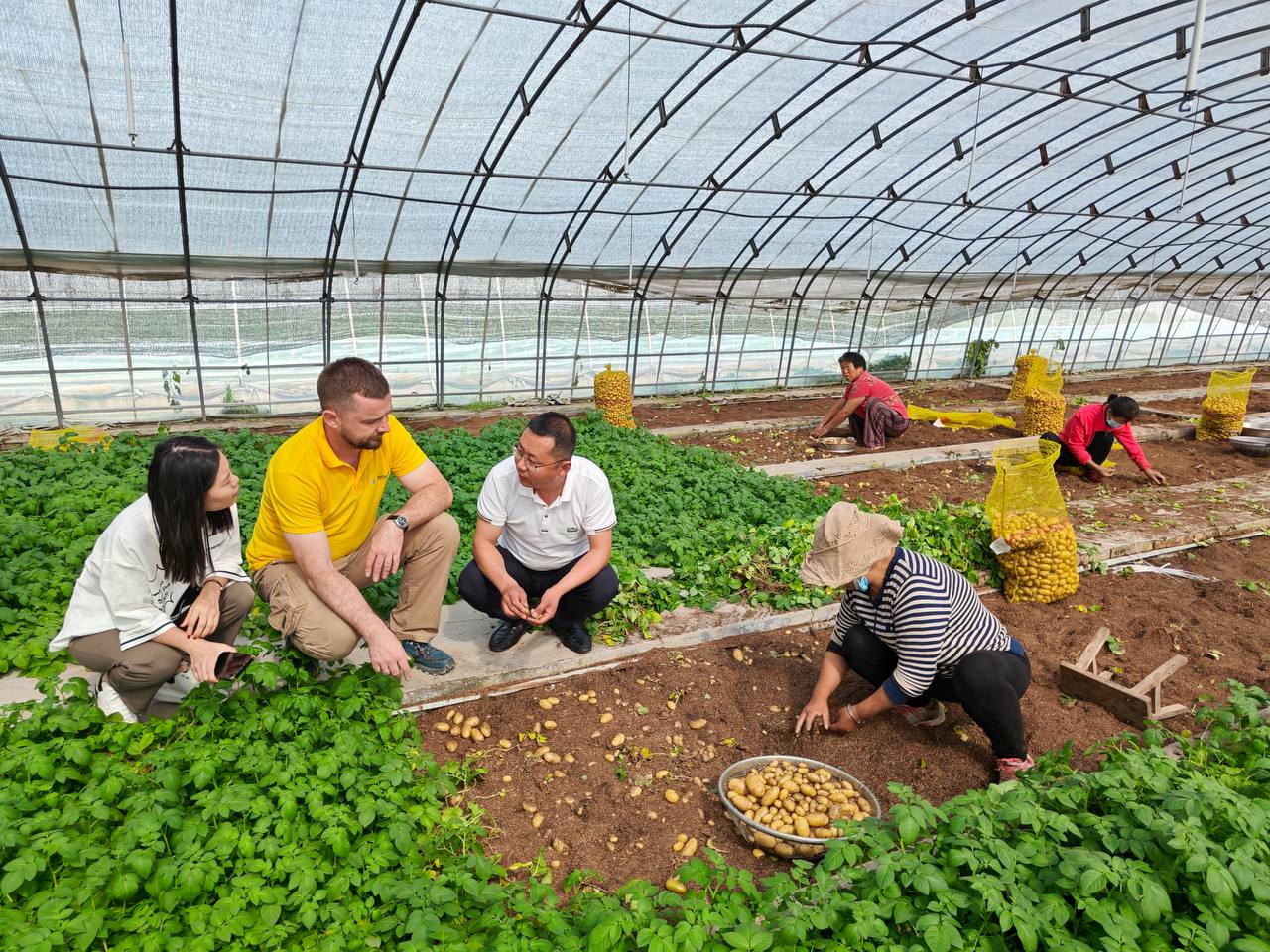
China, a country known for its vast agricultural production, has embraced the cultivation of potatoes as a significant staple food. With potato crops sprawling across 26 provinces, encompassing a total area of over 70 million mu (4.5 million hectares), China has become a key player in potato production. In this article, we will delve into the development, consequences, and future prospects of potato cultivation in China.
Development of Potato Cultivation
Potatoes were introduced to China during the Ming Dynasty in the 16th century. Initially, the crop faced resistance and skepticism, but over time, it gained popularity due to its adaptability to different climatic conditions and high nutritional value. The Chinese government recognized the potential of potatoes in ensuring food security and promoting sustainable agriculture, leading to concerted efforts to boost potato cultivation across the country.
China’s diverse geography, ranging from the humid southern regions to the arid northern plains, provides ideal conditions for growing potatoes. This versatility allows for year-round production, ensuring a stable food supply and income for farmers. The cultivation techniques have also evolved, with the adoption of modern agricultural practices, such as precision farming, efficient irrigation systems, and improved crop varieties.
Consequences of Potato Cultivation
The development of potato cultivation in China has had far-reaching consequences on various aspects, including food security, rural economy, and environmental sustainability.
Food Security
Potatoes have played a vital role in addressing food security challenges in China. The crop provides a reliable source of carbohydrates, essential nutrients, and dietary diversity for the population. It serves as a substitute for traditional staples like rice and wheat, reducing the nation’s reliance on a few crops and enhancing resilience to climate change and other potential disruptions to food production.
Rural Economy
Potato cultivation has emerged as a lucrative source of income for rural communities in China. Farmers, particularly in less-developed regions, have benefited from the high demand for potatoes in domestic markets. The crop’s profitability has contributed to poverty reduction and improved living standards in rural areas, stimulating economic growth and reducing the income gap between urban and rural populations.
Environmental Sustainability
Potatoes offer environmental advantages compared to other crops. They require less water and fertilizer inputs, making them more resource-efficient. Additionally, potato plants act as natural carbon sinks, absorbing atmospheric carbon dioxide during photosynthesis. This environmental resilience aligns with China’s commitment to sustainable development and mitigating the impacts of climate change.
Future Prospects
The growth of potato cultivation in China shows no signs of slowing down. The government continues to support and invest in research and development, promoting the adoption of innovative farming practices and the improvement of potato varieties. This ongoing commitment aims to enhance crop yield, quality, and disease resistance, further consolidating China’s position as a leading producer of potatoes.
Furthermore, the Chinese potato industry is exploring opportunities beyond domestic consumption. With a focus on value-added processing, the production of potato-based products such as chips, starch, and flour has seen significant growth. This diversification allows for increased market competitiveness and export potential, potentially bolstering the country’s agricultural trade.
Conclusion
Potato cultivation has emerged as a significant agricultural endeavor in China, contributing to food security, rural economic development, and environmental sustainability. The government’s commitment to supporting and advancing the potato industry has yielded positive results, showcasing China’s ability to adapt and innovate in the face of evolving agricultural challenges. As potato production continues to expand, it will undoubtedly play a vital role in shaping the nation’s agricultural landscape and ensuring a stable food supply for its population.