
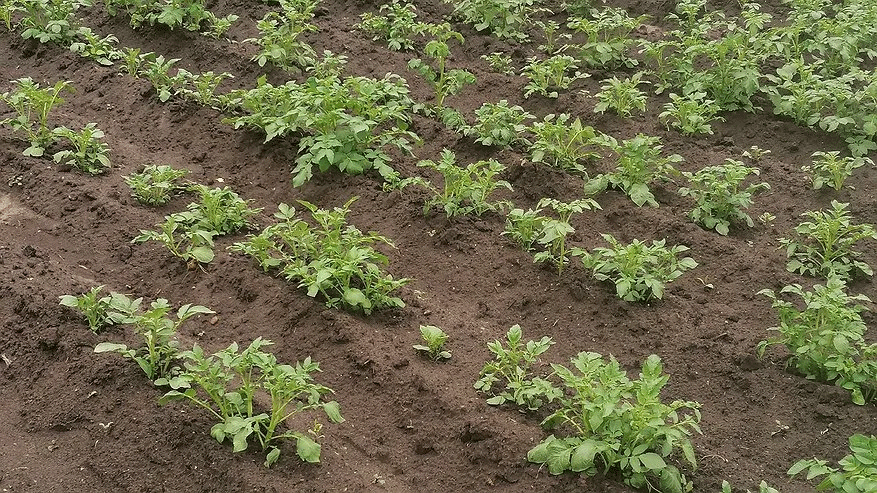
Potatoes are a demanding crop, notorious for extracting high levels of nutrients—particularly nitrogen and potassium—and leaving the soil susceptible to erosion and disease. Simply proceeding to the next season without a targeted recovery plan is a recipe for declining yields and increased pest pressure. For agronomists and farmers, the post-harvest period is a critical window to intervene. By implementing a strategic combination of mineral amendments and biological solutions, we can actively rebuild soil organic matter, replenish nutrient banks, and break pest and disease cycles, transforming a depleted field into a resilient foundation for future planting.
Quantifying the Depletion: The Nutrient Drain of Potatoes
Understanding the scale of depletion is the first step toward effective remediation. Potatoes have a specific nutrient offtake that must be addressed:
- Nutrient Removal: Research indicates that a potato crop yielding 20-25 tons per hectare can remove approximately 100-125 kg of nitrogen (N), 45-60 kg of phosphorus (P₂O₅), and 180-240 kg of potassium (K₂O) per hectare. This massive export, especially of potassium, explains the immediate need for replenishment highlighted in the article.
- The Role of Organic Matter: Beyond macro-nutrients, intensive potato cropping can degrade soil structure and deplete organic matter. A study published in Soil and Tillage Research found that continuous potato systems without cover crops saw a 15-20% decline in soil organic carbon over five years, directly impacting water retention and soil microbiota.
The Recovery Protocol: Fertilizers and the Power of Cover Crops
The article’s recommended approach aligns with modern, sustainable soil management principles.
- Immediate Fertilizer Application:
- Potassium (K): The recommendation for wood ash (a source of soluble K₂CO₃) or sulfate of potash (K₂SO₄) is sound. Potassium is crucial for overall plant health and stress resistance in subsequent crops.
- Nitrogen (N): Sulfate of ammonia ((NH₄)₂SO₄) provides a readily available nitrogen source. However, the emphasis on high-quality compost is critical. Compost not only provides a slow-release form of N but also is the primary tool for rebuilding soil organic matter and microbial diversity.
- The Strategic Use of Cover Crops (Сидераты):
This is the most powerful tool for long-term soil health. The recommended species are chosen for specific functions:- Brassicas (Mustard, Oilseed Radish): These are excellent for biofumigation. Their roots release compounds that suppress soil-borne pathogens and pests like nematodes and wireworms. A USDA NRCS report notes that mustard cover crops can reduce populations of certain harmful nematodes by 30-50%.
- Legumes (Lupins, Vetch): These are essential for biological nitrogen fixation. Lupins, as mentioned, can fix 150-200 kg of N per hectare from the atmosphere, reducing the need for synthetic fertilizers in the next season.
- Phacelia and Buckwheat: These are superb for improving soil structure with fibrous root systems and attracting beneficial pollinators and insects.
The Critical “Don’ts”: Avoiding Common Pitfalls
The warning against rotating with other Solanaceae (tomatoes, peppers, eggplants) is agronomically vital. These plants share pathogens like Phytophthora infestans (late blight) and Verticillium wilt. A minimum 3-4 year rotation out of Solanaceae is a standard recommendation to break disease cycles.
Furthermore, the advice against mixing lime with nitrogen fertilizers is chemically accurate. Lime (CaCO₃) creates an alkaline environment that causes volatile ammonia (NH₃) to gas off from ammonium-based fertilizers, rendering the nitrogen useless and unavailable to plants.
A Systematic Investment in Soil Capital
Post-harvest soil management is not an optional task; it is a non-negotiable investment in the primary capital of any farm—the soil itself. The simple 5-step plan provided offers a highly effective framework:
- Harvest
- Amend based on soil needs (K, N, organic matter)
- Shallowly incorporate (to avoid bringing up dormant weed seeds)
- Sow a diverse cover crop mix
- Terminate and allow residue to protect the soil
For agricultural engineers and scientists, this process represents the practical application of soil ecology. For farmers, it is the key to breaking the cycle of depletion, reducing input costs over time, and ensuring the long-term productivity and profitability of their land.
