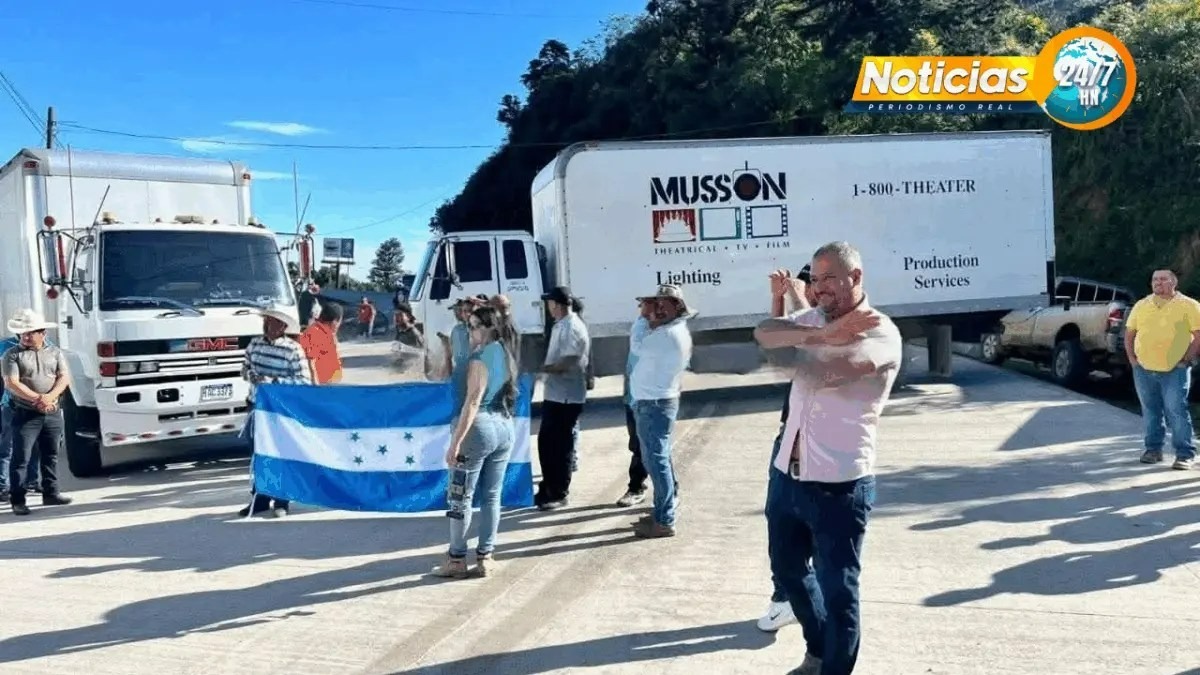
The potato sector in Honduras has reached a boiling point. Local producers from the western region blocked the CA-4 highway, one of the country’s key transport corridors, to demand government action against the surge of imported potatoes that is undermining the domestic market.
Farmers argue that uncontrolled imports are pushing local prices below production costs, threatening the survival of the national potato industry.
What Triggered the Protest?
Rising Volume of Imported Potatoes
Producers say the market is being flooded by cheaper imported potatoes. These imports, often arriving at prices that local farmers cannot match, destabilize market conditions and force producers to sell at a loss.
Weak Market Regulation
Farmers accuse officials of failing to enforce import controls or to protect domestic production during peak harvest periods.
Falling Farm-Gate Prices
With imported potatoes entering the market at lower prices, local growers cannot compete. Many report that they are unable to cover basic production costs — a pattern also seen in Colombia, Peru and parts of Central Asia, according to reports published on Potatoes News.
Accumulated Producer Debt
After several difficult seasons marked by price instability and climate-related crop losses, growers say they are at the brink of financial collapse.
Voices from the Ground
Honduran farmers stress that the protest is a desperate move:
“We cannot survive if imported potatoes keep entering the market while our own harvest rots in storage.”
Similar sentiments emerge globally. From Russia to Kenya, many farmers repeatedly report that domestic production struggles to compete with cheaper imports unless governments implement clear seasonal or volume-based controls.
Potatoes News Analytics: A Regional Pattern
Across Central and South America, Potatoes News has observed several recurring trends that resonate with the Honduran crisis:
Domestic Production Under Pressure
Countries with weak market regulation often see rapid increases in imports, especially from regions with lower production costs.
Price Volatility
Surges of imports frequently depress farm-gate prices, leaving growers unable to recoup investments. This mirrors recent situations in Colombia and Ecuador, where farmers have also expressed strong concerns about market saturation.
Calls for Balanced Trade
Producers are not necessarily demanding a ban — they want predictable rules that protect local harvests during critical windows.
What Farmers Are Demanding
Clear Import Controls
Seasonal restrictions during domestic harvest periods to prevent oversupply in local markets.
Support for Local Production
Improved access to credit, investment in storage infrastructure, and support programs for small and medium-sized producers.
A Sustainable National Potato Policy
Farmers argue that the country needs a long-term strategy to strengthen domestic supply chains — from seed production to storage and distribution.
Possible Government Actions
Several measures are being discussed:
Strengthening customs inspections to prevent underpriced imports.
Implementing seasonal import windows.
Supporting domestic value chains through better infrastructure and producer organizations.
Providing emergency financial assistance to farmers affected by price drops.
Conclusion
The Honduran farmers’ blockade of the CA-4 highway marks a critical moment for the country’s potato sector. The protest highlights long-standing structural issues — from market regulation gaps to import pressure — that echo challenges seen in many regions tracked by Potatoes News.
The central question now is:
Will Honduras develop a fair, balanced framework that protects local producers while keeping markets stable?
What do you think Honduras should prioritize first: import controls, producer support, or long-term sector policy?
Honduras: Productores bloquean la CA-4 y exigen freno a la papa importada
argenpapa.com.ar/noticia/16749-