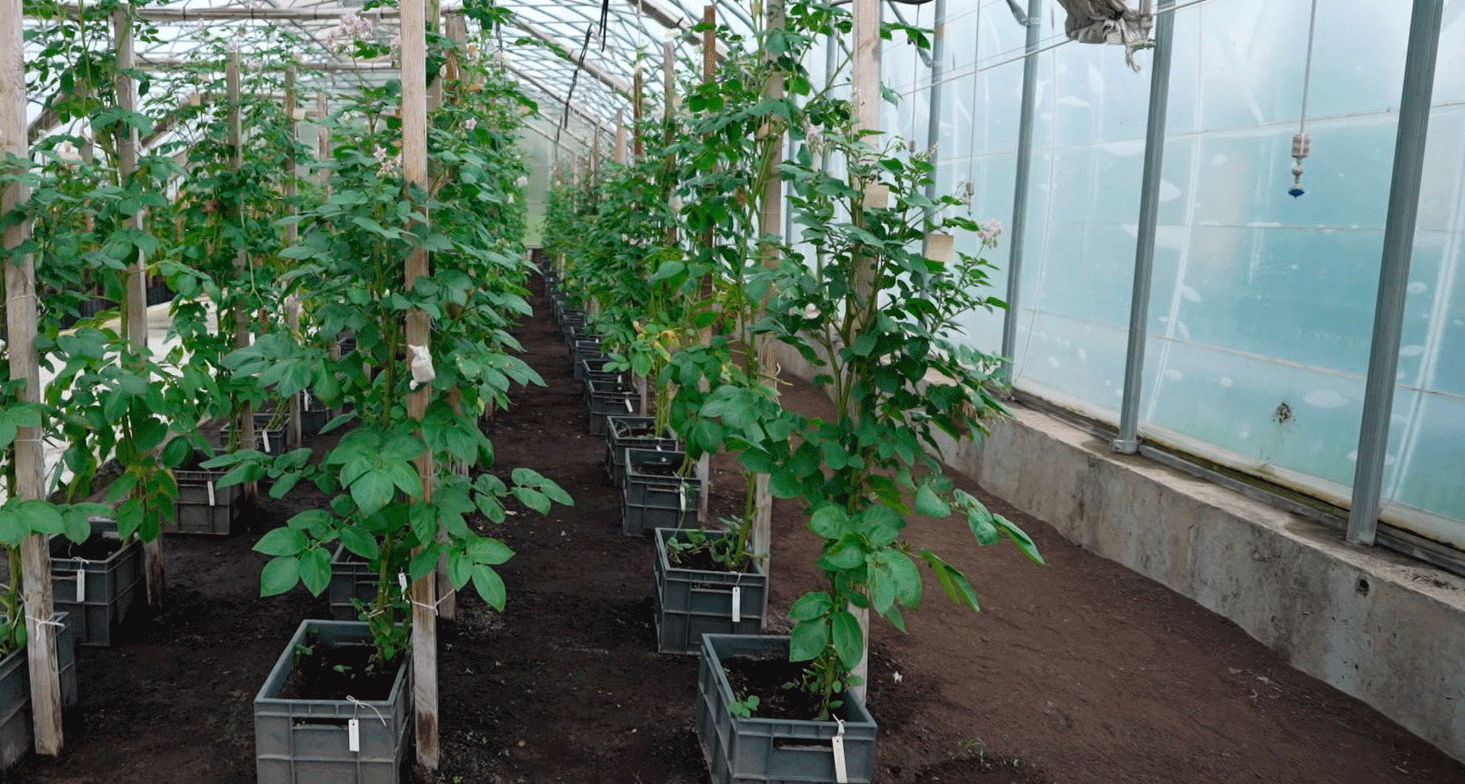
Agricultural experts in Belarus remain optimistic about the 2025 potato harvest, projecting yields comparable to last year’s 430 quintals (43 metric tons) per hectare. Some farms are even aiming for 500 quintals (50 metric tons), a challenging but achievable target with proper agronomic practices. Over 300 hectares are dedicated to potato cultivation in one large farm alone, demonstrating the crop’s importance in Belarusian agriculture.
Advanced Storage Solutions for Long-Term Preservation
Post-harvest storage is critical for maintaining potato quality, and modern facilities are ensuring minimal losses. One farm utilizes a 3,000-ton bulk storage system with automated climate control, air circulation, and sensor-based monitoring. Such technologies help preserve potatoes until May, ensuring a steady supply beyond the harvest season.
The Role of Belarusian-Bred Potato Varieties
Belarus has made significant strides in potato breeding, with over 50 locally developed varieties officially registered. The National Potato Research Center has introduced around 140 cultivars, emphasizing traits like high yield, disease resistance, and superior taste. Popular varieties such as Skarb, Briz, and Manifest dominate fields, while newer types like Lekar and Sapfir are gaining traction. Developing a new variety takes at least a decade and involves rigorous selection from over 100,000 seeds—a costly but necessary investment for sustainable agriculture.
With stable yields, cutting-edge storage systems, and strong domestic breeding programs, Belarusian potato farming remains resilient. Farmers and agronomists are leveraging technology and science to meet demand while preparing for future challenges.
