
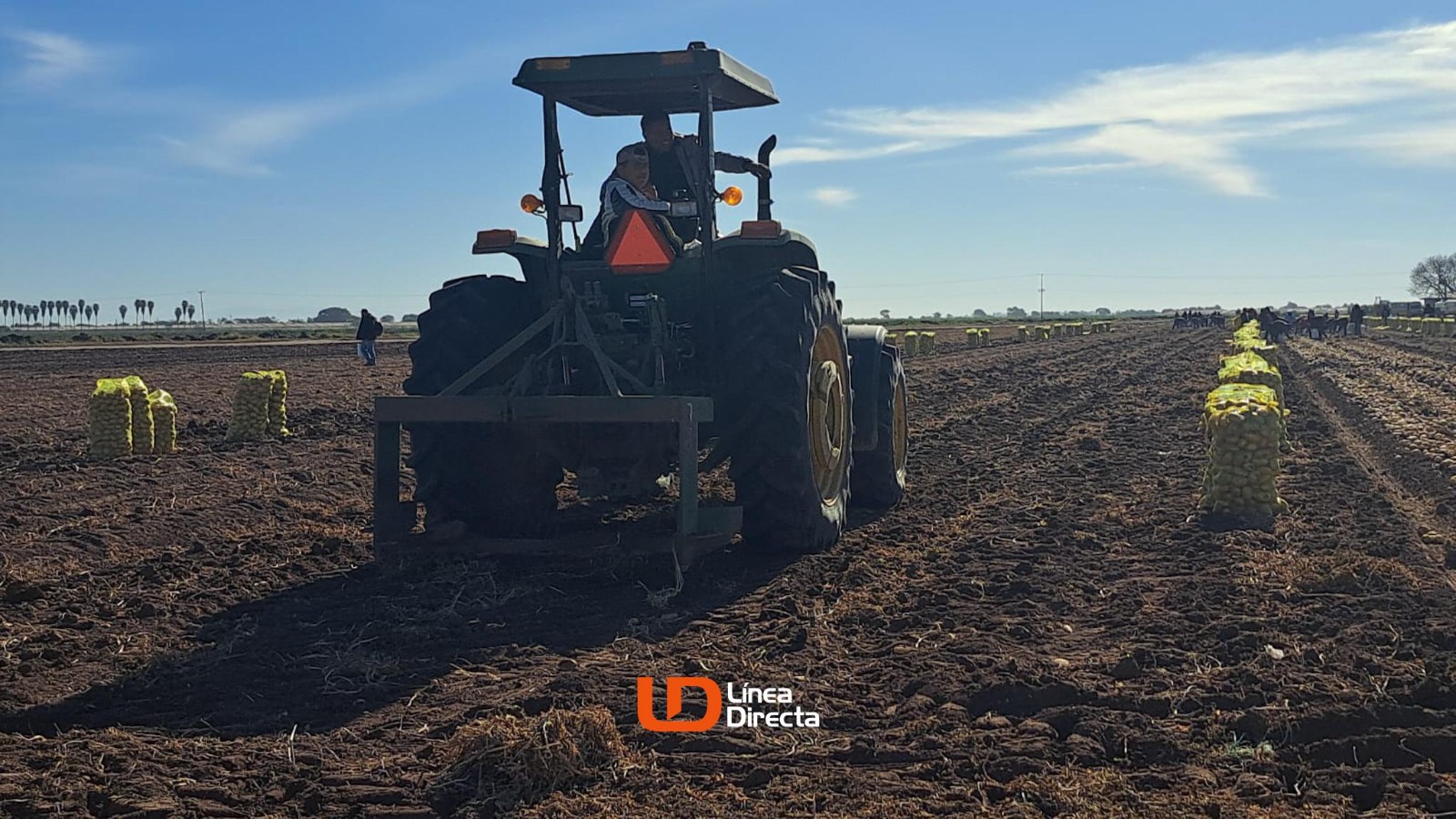
Mexico’s potato sector is sounding the alarm as imports of U.S. potatoes continue to rise. Producers report that these imports are intensifying market pressure, depressing local prices and threatening the economic viability of national production.
For a country with strong regional potato-growing traditions and thousands of small and medium-sized producers, this disruption is especially significant.
What Is Happening in the Mexican Market?
Increasing Import Volumes from the United States
Following the expansion of sanitary and commercial agreements between the two countries, more U.S. potatoes have entered the Mexican market.
These imports often arrive with competitive pricing and consistent quality — something many smaller Mexican producers struggle to match.
Falling Prices for Local Farmers
As cheaper imported potatoes enter the supply chain, domestic prices tend to decline. Growers report reduced margins, making it difficult to cover rising production costs such as fertilizers, irrigation and labor.
Unequal Market Competition
Large-scale U.S. producers benefit from advanced technologies, economies of scale, and strong logistics networks.
Mexican farmers argue that this creates an uneven playing field, especially for smaller growers.
Concerns from Mexican Producers
Farmers warn that the expanding presence of U.S. potatoes could permanently damage the national production base:
“If imports continue unchecked, many of us will not survive another season,” some growers say.
Similar concerns are frequently reported on Potatoes News from neighboring countries in Latin America. The trend is clear: when cheap imports enter unregulated, domestic supply chains become increasingly vulnerable.
Potatoes News Analytics: Broader Market Trends
Regional Competition Is Intensifying
The Mexico–U.S. potato market reflects a larger trend observed across the continent — stronger export capacity from technologically advanced producers puts pressure on domestic markets.
Cost Structures Are Diverging
U.S. producers generally operate with lower unit costs due to scale and efficient mechanization.
Mexican farmers face rising costs and limited access to storage and cold-chain infrastructure.
Trade Decisions Carry Sector-wide Consequences
As seen in Colombia, Honduras and Ecuador, import policies can either stabilize or disrupt local potato sectors. Mexico is now experiencing similar tensions.
What Producers Are Asking For
Stronger Import Monitoring
Growers demand stricter oversight to prevent dumping and ensure fair competition.
Investment in Domestic Productivity
Producers are calling for government support to modernize storage, irrigation and seed systems.
A Long-Term National Potato Strategy
Industry experts stress the need for coordinated policies that balance trade with protecting local production capacity.
What the Government May Consider
Analysts suggest several possible actions:
- reviewing phytosanitary and import requirements
- strengthening domestic supply chains and cold storage networks
- supporting technological upgrades for small and medium producers
- developing regional marketing programs to promote Mexican potatoes
Such measures aim to restore market balance and protect national production.
Conclusion
The inflow of U.S. potatoes is reshaping Mexico’s potato economy and exposing structural vulnerabilities in the domestic sector. As seen in other countries covered by Potatoes News, uncontrolled imports can destabilize local markets and threaten producer livelihoods.
The key question now is:
Can Mexico develop a balanced trade policy that protects its growers while preserving open market dynamics?
What do you think Mexico should prioritize: stronger import controls, support for modernization, or a new national potato strategy?
México: Importación de papa estadounidense afecta a productores mexicanos
argenpapa.com.ar/noticia/16753-