
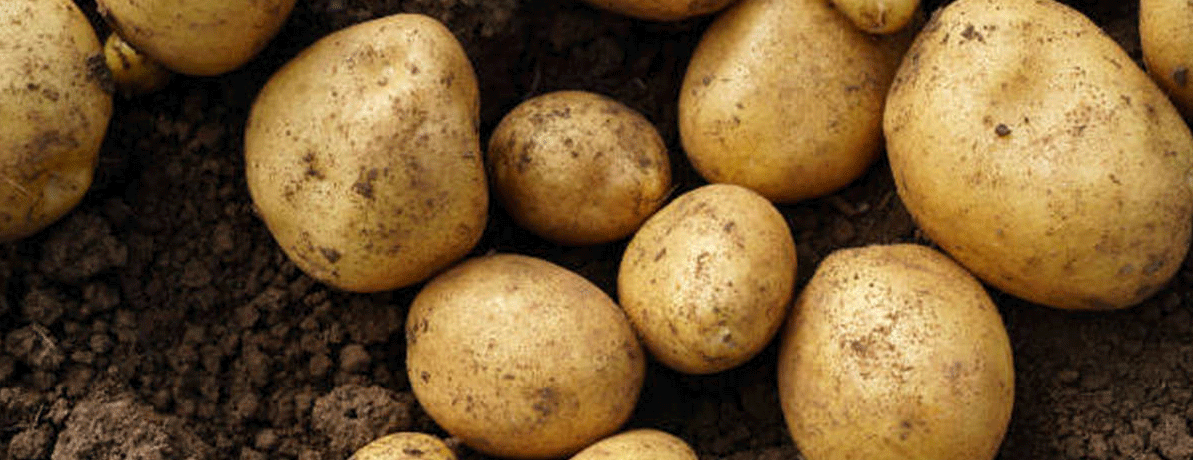
Novosibirsk farmers are facing significant challenges due to abnormally high rainfall in August, leading to waterlogged soils that threaten potato yields. The West Siberian Hydrometeorological Center forecasts a brief dry spell, prompting agronomists to urge immediate harvesting of early potato varieties (55-60 day maturation period) to avoid spoilage.
Key Risks and Recommended Actions
- Early Varieties: Must be harvested quickly, as prolonged exposure to wet soil increases the risk of tuber rot and suffocation damage.
- Post-Harvest Handling: Potatoes should be dried and sorted—damaged tubers should be consumed immediately, while seed potatoes require careful inspection.
- Late Varieties: Harvest timing depends on foliage health—if late blight (Phytophthora infestans) is present, immediate digging is advised. Otherwise, fungicide treatments can help protect crops until maturity.
Broader Implications for Agriculture
Excessive rainfall has become a growing concern in Western Siberia, with climate data showing a 15-20% increase in August precipitation over the past decade (Russian Meteorological Service, 2023). Such conditions promote fungal diseases, potentially reducing potato yields by 10-30% if not managed properly (FAO, 2023).
Novosibirsk’s potato farmers must act swiftly to mitigate losses from this season’s extreme weather. Prioritizing early harvests, proper drying, and disease control for late crops can help preserve yields. Long-term, improved drainage systems, disease-resistant varieties, and precision weather monitoring will be crucial for adapting to increasingly unpredictable rainfall patterns.
