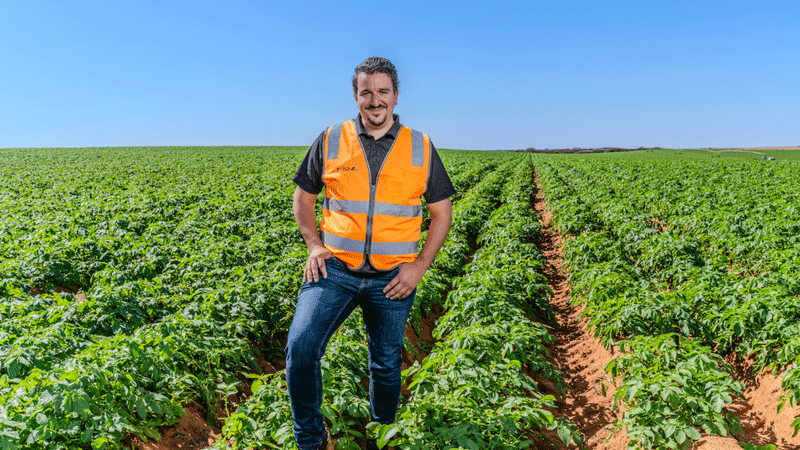
Australia is in the grip of a significant potato shortage, a direct result of what growers are calling one of the toughest seasons in a decade. The heart of the crisis lies in South Australia, a region responsible for approximately 80% of the nation’s supply. The season was marked by a destructive sequence of extreme weather events: a hot summer with elevated soil temperatures was followed abruptly by cold, wet, and windy conditions. This volatility had a direct physiological impact on the crop, leading to reduced tuber set, lower overall volumes, and a high incidence of quality defects. These include cold cracking, harvest damage, skin staining, and prominent lenticels, which have collectively slashed the amount of marketable yield. Major producer Mitolo Family Farms, which typically supplies over 200,000 tonnes annually, has confirmed widespread difficulties, underscoring the scale of the problem.
The situation is a stark case study in climate vulnerability. The Bureau of Meteorology confirmed that parts of South Australia experienced some of the lowest rainfall on record from January to September, exacerbating stress before the late-season deluge. This pattern aligns with global observations; a 2023 study in Nature Food highlighted that increasing climate volatility, not just gradual change, is a primary threat to tuber quality and yield stability worldwide. The commercial impact is now visible, with supermarket giants Coles and Woolworths posting in-store notices to manage consumer expectations. While the industry expects supply to recover in the coming weeks, the shortage is projected to persist for at least another month, highlighting a critical gap between harvest cycles and consistent market demand.
The Australian potato shortage is more than a seasonal anomaly; it is a powerful warning of how increasingly erratic weather patterns can destabilize a concentrated agricultural system. The damage from sequential heat, drought, and cold stress demonstrates that yield volume alone is an insufficient metric for resilience; tuber quality is equally vulnerable. For farmers, agronomists, and the entire supply chain, this event underscores the urgent need to invest in adaptive strategies. These must include exploring more climate-resilient varieties, improving water management infrastructure, and developing more robust risk management models to buffer against future climate shocks.
