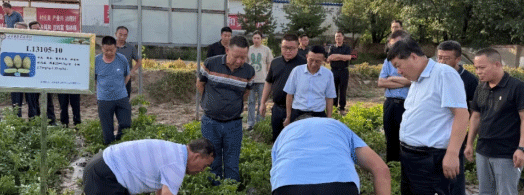
In a bold agricultural experiment, Enshi (Hubei) and Yuzhong (Gansu) have joined forces to optimize potato seed production through a unique “South Seed, North Grow” (南种北繁) model. This initiative, which involves growing high-quality seed potatoes from southern China in the colder, drier climates of the north, has already shown exceptional results in yield and disease resistance, positioning it as a potential game-changer for China’s potato industry.
How the Model Works
- Seed Sourcing: Enshi, a major potato-growing region in Hubei, provides high-quality breeder seeds, including the “Mila” variety and eight other elite cultivars12.
- Northern Cultivation: These seeds are transported 1,000 km north to Yuzhong, Gansu, where they are grown at 1,800–2,400 meters above sea level1.
- Optimal Growing Conditions: The region’s cool climate, large diurnal temperature swings, and ample sunlight create ideal conditions for seed tuber development, while advanced irrigation systems compensate for low rainfall1.
Early Successes & Expansion Plans
- Current Scale: The pilot project covers 200+ acres, with test crops showing strong plant growth and superior tuber quality1.
- Future Goals: A new agreement aims to expand the program to 10,000+ acres within three years, significantly boosting China’s domestic seed potato supply1.
- Training Farmers: A three-tier training system (experts, technicians, and experienced farmers) ensures knowledge transfer and adoption of best practices1.
Why This Model Matters
- Higher Seed Quality: Northern climates reduce soil-borne diseases, improving seed health.
- Economic Benefits: Farmers in Yuzhong gain access to high-value seed production, while Enshi’s seed companies expand their market reach.
- Food Security: China produces 28% of the world’s potatoes12, and improving seed systems is critical for yield stability.
A Blueprint for Future Agri-Collaborations?
The Enshi-Yuzhong partnership demonstrates how cross-regional agricultural synergies can enhance productivity and sustainability. If expanded, this model could help China reduce reliance on imported seeds while improving farm incomes nationwide.
