
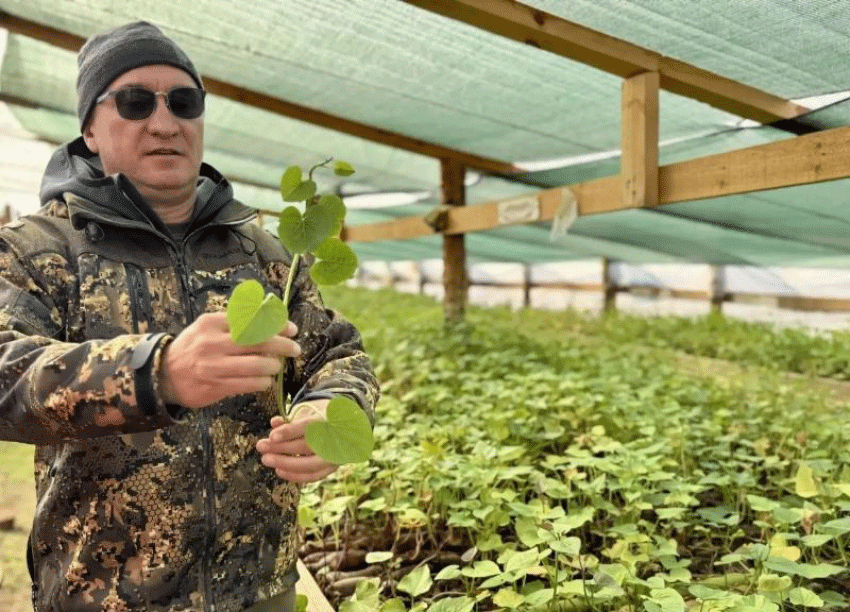
In a strategic move to diversify agricultural production and increase food sovereignty, the peasant farm enterprise “Volzhanka” in the Krasnoyarsk district of the Astrakhan region has launched an experimental program to cultivate sweet potatoes (Ipomoea batatas). As reported by the regional Ministry of Agriculture, the core objective is to identify the most suitable varieties for the local climate, which is characterized by hot, dry summers, and to develop high-quality planting material. This focus on domestic seed production is a direct effort to mitigate reliance on imported slips, which currently dominate the market and present a supply chain risk.
The trials at “Volzhanka” are employing advanced cultivation techniques, likely including drip irrigation for optimal water use in the arid environment and integrated pest management strategies. These methods are crucial for minimizing disease pressure and ensuring a high-quality yield. The economic rationale is strong; the ministry highlights the crop’s rising popularity due to its nutritional profile and economic advantages, including high yield potential and excellent winter storability. This aligns with global trends. According to a 2023 FAO report, the global sweet potato market is growing, driven by consumer demand for nutrient-dense, gluten-free foods. Research from the Journal of Horticultural Science & Biotechnology confirms that selected varieties can achieve yields of 25-40 tons per hectare under optimized conditions in temperate climates with warm summers, making it a potentially lucrative alternative to traditional crops. It is important to note for agronomists that, despite its common name, the sweet potato is botanically distinct from the potato (Solanum tuberosum), belonging to the Convolvulaceae family, which makes it less susceptible to certain soil-borne pathogens like Phytophthora infestans that plague solanaceous crops.
The Astrakhan sweet potato initiative represents a forward-thinking approach to regional agriculture. By systematically evaluating varietal performance and developing localized seed systems, the project addresses key challenges of adaptation and import dependency. For farmers and agricultural scientists in Southern Russia and similar climates, the successful cultivation of sweet potato could open a significant new market, offering a resilient, high-value crop that aligns with both economic and food security goals. The project serves as a critical case study in agricultural diversification and climate adaptation.
