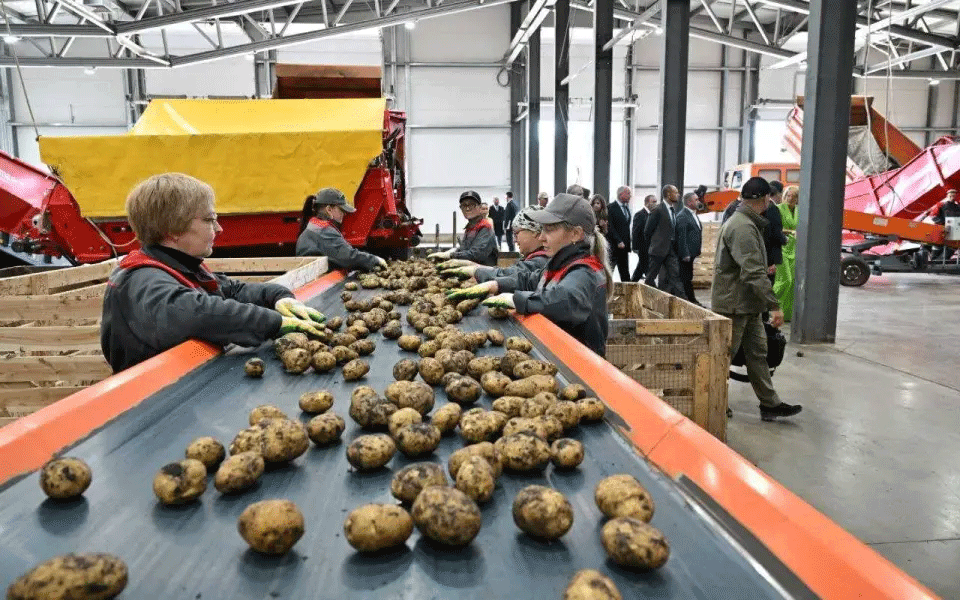
The recent inauguration of the “Chisto Fri” potato processing and canning plant by the agri-holding “Chistopolye” in Tatarstan represents more than just a significant capital investment; it is a strategic move into value-added agriculture that other large-scale farm operations should note. With an initial investment of 3 billion rubles, the facility is designed for the secondary processing of 40,000 tons of raw potato annually, yielding an estimated 18,000 tons of finished product—a conversion rate of 45%, which is in line with industry standards for frozen potato products like fries and wedges.
This investment is a direct response to the well-documented volatility of the raw commodity potato market. As noted by the company’s CEO, Nail Zalakov, processing guarantees offtake and stabilizes income. This aligns with global data. According to a 2023 report by the International Potato Center (CIP), price fluctuations for table potatoes can exceed 40% year-on-year in many markets, while the value-added processed potato market shows more consistent pricing and higher marginal growth.
The project’s integrated approach is a key takeaway for agronomists and farm owners. “Chistopolye” is leveraging its own irrigated land to ensure a consistent supply of quality raw material. The simultaneous construction of a new storage and sorting complex is critical, as post-harvest losses in potatoes can be significant without proper infrastructure. The Food and Agriculture Organization (FAO) estimates that inadequate storage and processing facilities can lead to post-harvest losses of up to 25% for root and tuber crops in some regions. This vertical integration—from controlled irrigation and field management to storage, sorting, and final processing—creates a resilient and efficient supply chain, minimizing waste and maximizing ROI.
The potential for doubling capacity, as mentioned by management, reflects confidence in the growing processed food sector. This trend is supported by data from research firms like IMARC Group, which projects the global frozen potato products market to grow from $68.5 billion in 2023 to over $85.5 billion by 2032. While domestic Russian and CIS consumption patterns differ, the trend towards convenience foods is unmistakable, creating a stable demand pillar for large-scale processors.
The “Chisto Fri” plant is a case study in modern agricultural business strategy. It moves beyond primary production to capture more value within the food chain, directly addressing commodity price risks through vertical integration and processing. For agricultural scientists and engineers, it highlights the importance of developing cultivars suitable for processing and optimizing storage technologies. For farm owners and agronomists, it underscores the economic imperative of investing in downstream infrastructure to de-risk primary production and ensure long-term financial sustainability. This model of value-added investment is likely to become increasingly vital for large agri-holdings aiming to thrive in a competitive and volatile global market.
