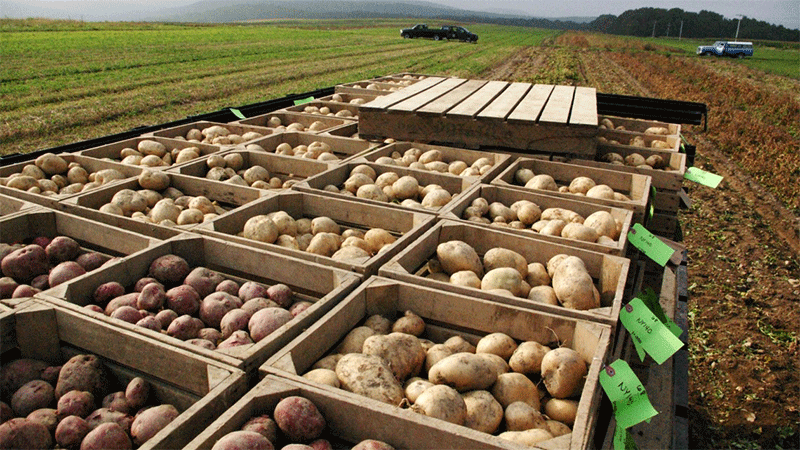
For 160 years, Cornell University’s potato breeding program has served as a cornerstone of American agricultural innovation, developing varieties that now form the foundation of the nation’s $100 billion potato economy. Despite New York’s declining share of total potato production—most commercial production has shifted westward—the university’s breeding program maintains an outsized impact on the entire U.S. potato industry through its development of improved varieties and collaborative network of farmers and processors.
The program’s significance stems from its remarkable output of over 50 potato varieties, including the most widely grown variety for potato chip production nationwide. Perhaps more importantly, Cornell researchers have developed varieties resistant to the invasive golden nematode, a devastating potato pest that threatens global potato production. According to Professor Walter De Jong of plant breeding and genetics, this long-term partnership between researchers and industry stakeholders has created a continuous pipeline of improved genetics that benefit producers across the country.
The economic impact of potato breeding programs is substantial. Research from the USDA Economic Research Service shows that every $1 invested in public plant breeding returns $20 in economic value to the agricultural sector. For potatoes specifically, improved varieties have contributed significantly to yield increases, with average U.S. potato yields rising from approximately 160 cwt/acre in the 1960s to over 400 cwt/acre today. Cornell’s program has been particularly important for maintaining New York’s potato industry relevance even as production has shifted to larger-scale operations in western states.
The program’s success also highlights the importance of addressing specific production challenges through targeted breeding. The golden nematode resistance developed at Cornell has been particularly valuable for maintaining export market access, as many countries impose strict quarantine restrictions on nematode-infected potatoes. Similarly, the development of superior chipping varieties has helped maintain the competitiveness of American potato processors in global markets.
Cornell’s 160-year potato breeding program demonstrates the incredible value of long-term public investment in agricultural research and the power of collaboration between researchers and producers. While agricultural production patterns shift over time, the foundational work of developing improved varieties continues to deliver value across the entire supply chain. For farmers, processors, and researchers, this case study underscores the importance of sustained investment in breeding programs that address both current production challenges and future market needs. As climate change and new pests threaten global food production, such long-term breeding efforts will become increasingly valuable for maintaining agricultural productivity and food security.
