Potato Wart Disease: A Growing Threat to Volgograd Agriculture
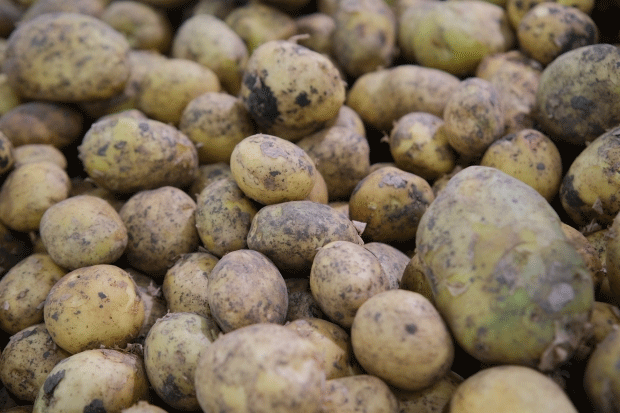
Potato is considered the “second bread” in Volgograd, yet local production struggles to meet demand. As a result, large volumes of potatoes are imported from other regions, increasing the risk of introducing quarantine pests and diseases. One of the most serious threats is Synchytrium endobioticum, commonly known as potato wart disease.
A Brief History of Potato Wart Disease
First recorded in the USSR during World War II, the disease was introduced from Germany. It is caused by a fungus belonging to the Chytridiomycota class, which parasitizes potato cells and can persist in the soil for up to 30 years. The fungus is highly adaptable and can survive under harsh environmental conditions.
How the Disease Spreads and Affects Crops
The infection cycle begins in spring when fungal spores germinate in moist soil and attack young potato tubers. Symptoms include:
- Cauliflower-like growths on tubers and stolons
- Light-colored lesions that turn brown over time
- Severe yield loss, as affected tubers become inedible
The disease spreads through:
- Contaminated potato tubers
- Infected soil and farm tools
- Rainwater runoff, which carries spores to new fields
Other Crops at Risk
While potatoes are the primary host, experts from the Volgograd branch of FSBI “COK APK” warn that other Solanaceae crops—such as tomatoes and physalis—can also become infected. This increases the risk of further spread, making it even more critical to implement control measures.
Prevention and Control Strategies
Given the long persistence of Synchytrium endobioticum in the soil, farmers must take a preventative approach:
- Quarantine and Sanitation:
- Destroy infected tubers and plant residues.
- Sanitize farm tools and equipment.
- Crop Rotation:
- Avoid planting potatoes in infected fields for at least 5-7 years.
- Rotate with non-host crops such as grains or legumes.
- Resistant Varieties:
- Plant wart-resistant potato cultivars to minimize disease risk.
- Regulated Imports:
- Strengthen phytosanitary inspections to prevent infected tubers from entering Volgograd.
Potato wart disease poses a significant threat to Volgograd’s agriculture. Without effective quarantine measures, local farmers risk severe crop losses. Implementing strict crop rotation, sanitation practices, and using resistant varieties can help safeguard potato production and maintain food security in the region.