Northwest Europe’s Potato Harvest Grinds On in Fits and Starts — Too Wet Up North, Too Dry Down South
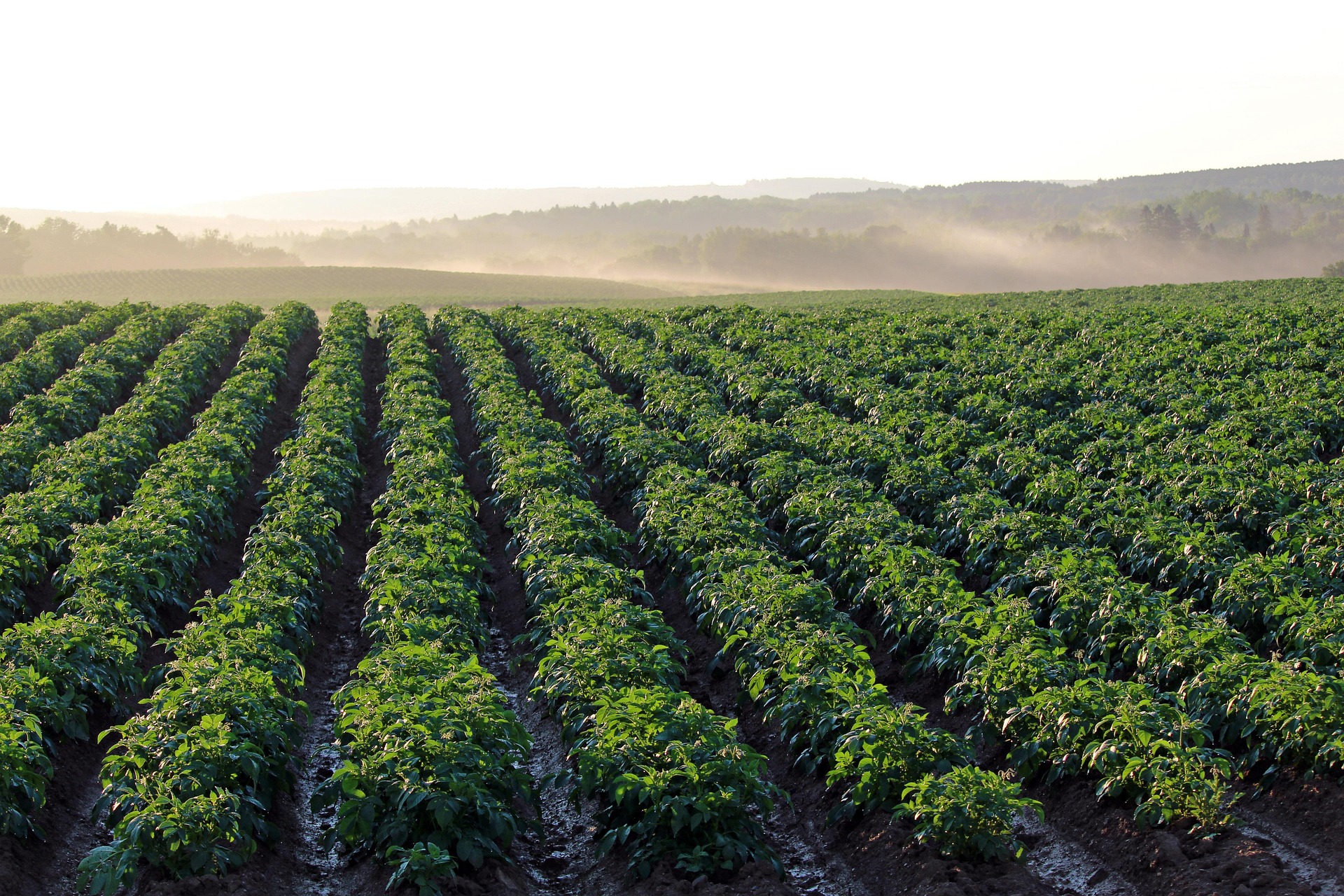
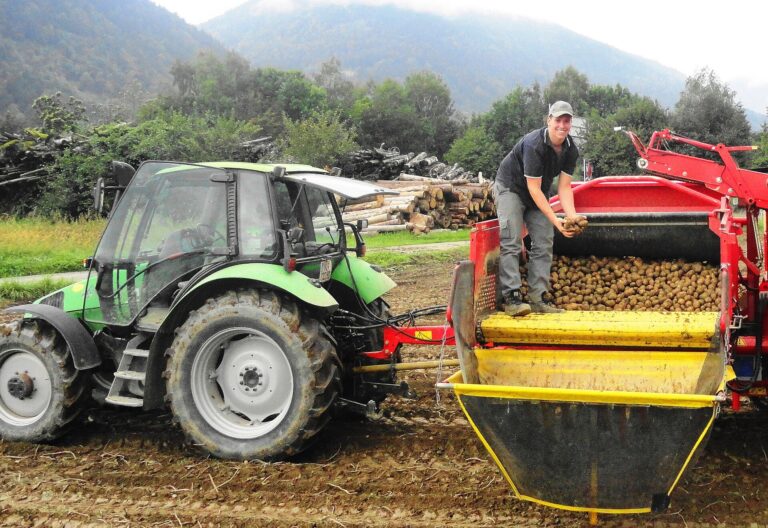
The 2026 European potato harvest is falling behind last year’s pace: the Netherlands is about 70% done while Belgium has lifted barely a quarter of its crop, Boerenbusiness estimates. A stable, dry second half of October may yet give growers the window they need.
Текст (EN)
Europe’s 2026 potato harvest is moving forward “in fits and starts”, squeezed between too much water in the north and too little in the south, Dutch agricultural outlet Boerenbusiness reported on 12 October.
In the Netherlands, harvesting is estimated at around 70% complete. Growers on the clay soils are furthest along, while parts of the east and southeast still have to get the storage harvest properly going. Northern districts were drenched in early October — locally up to 80 millimetres of rain — and many growers there are now simply waiting for the water to drain away. Strikingly, some fields still to be lifted should have come out of the ground weeks ago; much of it is rented land where no manure has been spread either, and the grumbling is growing, the outlet notes.
Weekdays. Unsubscribe in one click.
The contrast with the southern neighbours is stark. In Belgium, lifting has reached no more than about 25%. Meaningful rain has now fallen, mainly close to the Dutch border and widely scattered, but the east and the coastal areas remain very dry — too dry to harvest without damaging tubers. France stands at roughly 60% nationwide, yet northern France, home to much of the storage crop, is far less advanced and equally needs substantial rain to moisten the soil. Germany is around 65% done, having seen decent rainfall except in the east.
The lag shows clearly in the year-on-year comparison. Twelve months ago, 75% of the Dutch crop was already in the shed, and France, Belgium and Germany were all beyond 80%. Boerenbusiness draws a parallel with 2020, when rainfall — not drought — held up mid-October progress and barely 10% had been lifted; the crop eventually came out of the ground then, too.
Weather models offer some reassurance. High-pressure systems are set to dominate the second half of October: mostly stable and dry, with occasional showers, colder nights and the first real possibility of frost. Early November could bring easterly winds carrying cold air towards Northwest Europe, though that remains distant “future music”, as the report puts it. Daytime temperatures in the south may briefly rebound to 20 degrees — unwelcome for growers who want to bring potatoes into store cool rather than warm.
Quality reports are mixed but manageable. Where rain has fallen, potatoes are coming in cleanly; the dry conditions allow good screening, although certain clay soils stick heavily. Reports of wireworm damage are strikingly frequent this season, as the larvae sought refuge inside tubers during the drought. Because of the same dry weather, unrotted seed potatoes are turning up in harvested lots. In the southern coastal districts, low underwater weight remains an issue that only waiting may resolve.
Market signals around the harvest are turning as well: the same outlet’s weekend market coverage noted starch processor Avebe raising its potato price by €10 per tonne — a sign that processors are competing harder for raw material as the tight 2026 crop becomes reality.
For an industry already expecting one of the tighter European supply seasons in years, the pace of the coming two weeks matters. Growers do not like sitting on their hands, Boerenbusiness concludes, but the weather at least still allows time to wait.
Источники
- Boerenbusiness, 12.10.2026, Niels van der Boom — https://www.boerenbusiness.nl/akkerbouw/aardappelen/artikel/10917172/aardappeloogst-met-horten-en-stoten-vooruit (оценки прогресса уборки: Нидерланды ~70%, Бельгия ~25%, Франция ~60% в целом и значительно меньше на севере, Германия ~65%; год назад 75% в НЛ и >80% в FR/BE/DE; аналогия с 2020 (~10% к середине октября); до 80 мм дождя на севере Нидерландов; прогноз: стабильная сухая вторая половина октября, ночные заморозки, восточный ветер в начале ноября; качество: проволочник (ritnaald), неразложившийся семенной картофель в партиях, низкий подводный вес на южном побережье)