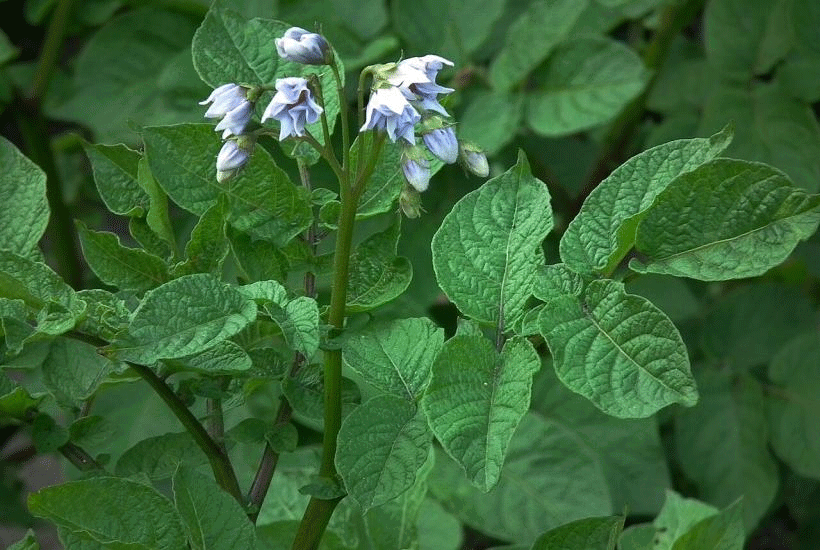
For years, farmers believed that plucking potato flowers would redirect energy toward tuber development, increasing yields. However, scientific studies and field trials consistently show that this practice is not only ineffective but can actually reduce potato production.
Flowering Isn’t the Problem—It’s Part of the Process
Potato plants invest minimal resources in flowering, and the process is short-lived. The majority of nutrients still flow to the tubers, while the leaves, stems, and flowers play a crucial role in photosynthesis—converting sunlight into energy that fuels growth. Removing flowers disrupts this natural cycle, weakening the plant’s ability to produce carbohydrates efficiently.
Research Confirms: Flower Removal Reduces Yields
A study published in Potato Research (2023) found that manually removing flowers caused stress responses in potato plants, diverting energy toward healing damaged stems rather than tuber growth. Field trials showed a 5–10% decrease in tuber weight in plots where flowers were removed compared to untouched control groups.
Moreover, modern potato varieties are bred for vegetative reproduction, meaning tubers—not seeds—are the primary yield. Flowering has little to no impact on tuber development, making interference unnecessary.
What Actually Boosts Potato Yields?
Instead of wasting time on flower removal, focus on proven agronomic practices:
- Consistent irrigation (avoiding drought stress during tuber bulking)
- Proper hilling (to protect tubers from sunlight and pests)
- Balanced fertilization (prioritizing phosphorus and potassium for tuber growth)
- Pest and disease management (particularly late blight and Colorado potato beetle)
Let Nature Work for You
The idea that interfering with potato flowers increases yields is a persistent myth. Science and real-world data confirm that plants perform best when left to their natural processes. By optimizing irrigation, soil health, and pest control—rather than unnecessary interventions—farmers can achieve higher, more sustainable yields with less effort.