
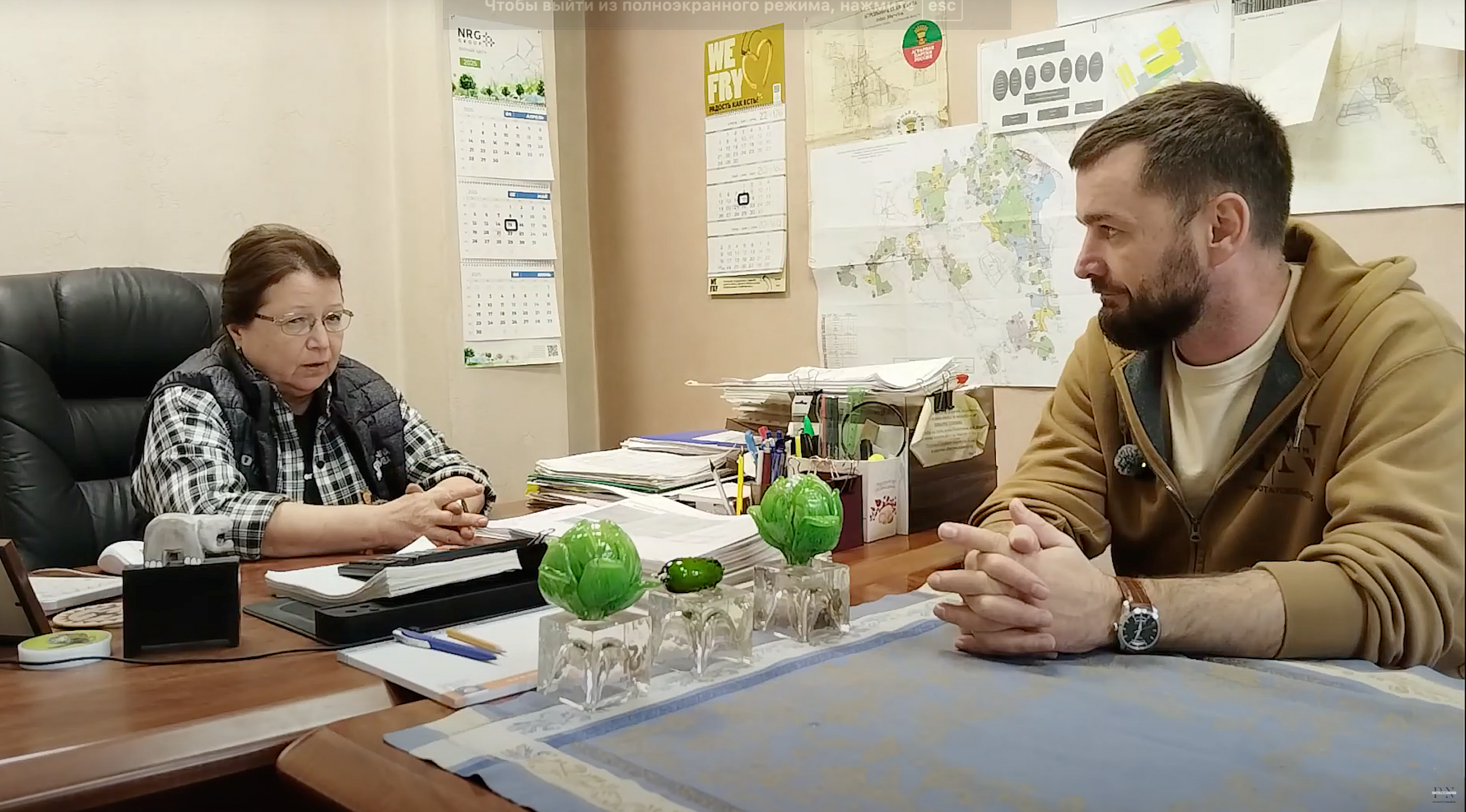
Kostroma Region. The next stop of the International Potato Tour is at the “Mechta” farm led by Galina Pavlovna Lazutina. The enterprise’s story shows how a family team, cooperation, and smart specialization can keep an operation stable on the vegetables and potato market for decades.
From a farmer’s start to a resilient business
“Mechta” began on September 26, 1993, and on December 15, 1998 it was reorganized as an LLC. The very first steps were just half a hectare of potatoes, when a young family, moving back from the city to the countryside, was seeking stability in the tough 1990s. Gradually the farm grew to just over 1,000 hectares in use, keeping its “borsch set” profile: potatoes (table and seed), cabbage, carrots, and beet.
Cooperation and access to retail chains
Since 2007, a cooperative has formed around “Mechta.” This model helped a relatively small enterprise enter federal retail chains and secure sales channels. Today “Mechta” supplies Pyaterochka, Magnit, and other buyers. For carrots, there is a dedicated cooperative post-harvest block — washing and essentially a “mini-plant.”
Seed production as a strategic priority
“Mechta” is convinced that high-quality seed material is the key to results. The farm is developing a seed project under contract with several companies (Vifray, Sedokas, FatAgra) while also covering its own needs. There is no in-house lab or phytotrons yet, but the team is purposefully moving toward a full seed infrastructure.
Main challenge: land for proper crop rotation
A sharp issue for “Mechta” is a shortage of land for a complete crop rotation. Extra plots are often overgrown or in a complicated legal status (shares, federal property). Even so, the farm is steadily bringing fields back into production and restoring soil fertility.
A family enterprise and the “golden mean”
“Mechta” is a family business. Galina Pavlovna’s children work in the enterprise — her son as an engineer, and daughters Valentina and Tatyana. The senior generation ensures stability and “practicality,” while the younger generation drives digitization, automation, modern packaging, and sales. This is the model’s strength: “We produce, and they — neatly, well-packaged, and appealing — bring it to market.”
Modernization and 5–10 year plans
Already implemented are guidance systems, mechanization, and process automation. Priorities for the coming years include expanding storage, grading, and processing capacity to raise comfort and efficiency. The team is open to new technologies, including elements of AI — “the future belongs to what’s new entering our lives.”
Market 2025: high prices and a cool head
2025 brought unusually high potato prices. Galina Pavlovna’s message to newcomers is a caution against chasing “cosmic” numbers and a call to plan for several seasons ahead. The core principle:
“Before you plant potatoes — you need to sell them.”
You need calculated risks, a clear sales channel, and disciplined execution.
For young specialists — a big field of work
Asked about opportunities for agronomists, machine operators, and engineers, Galina Pavlovna keeps it short and to the point: “A big field of work.” “Mechta” values initiative, technological fluency, and readiness to take responsibility — exactly what sets the new generation apart and accelerates the farm’s renewal.
Quick facts
- Location: Kostroma Region, Russia
- Founded: 1993 (reorganized as LLC in 1998)
- Land bank: >1,000 ha
- Profile: table and seed potatoes; cabbage, carrots, beet
- Sales channels: federal retail chains, cooperative channels
- Focus areas: seed production, storage, grading, processing, digitization