Prepared exclusively for Potatoes.News
Astana, Republic of Kazakhstan
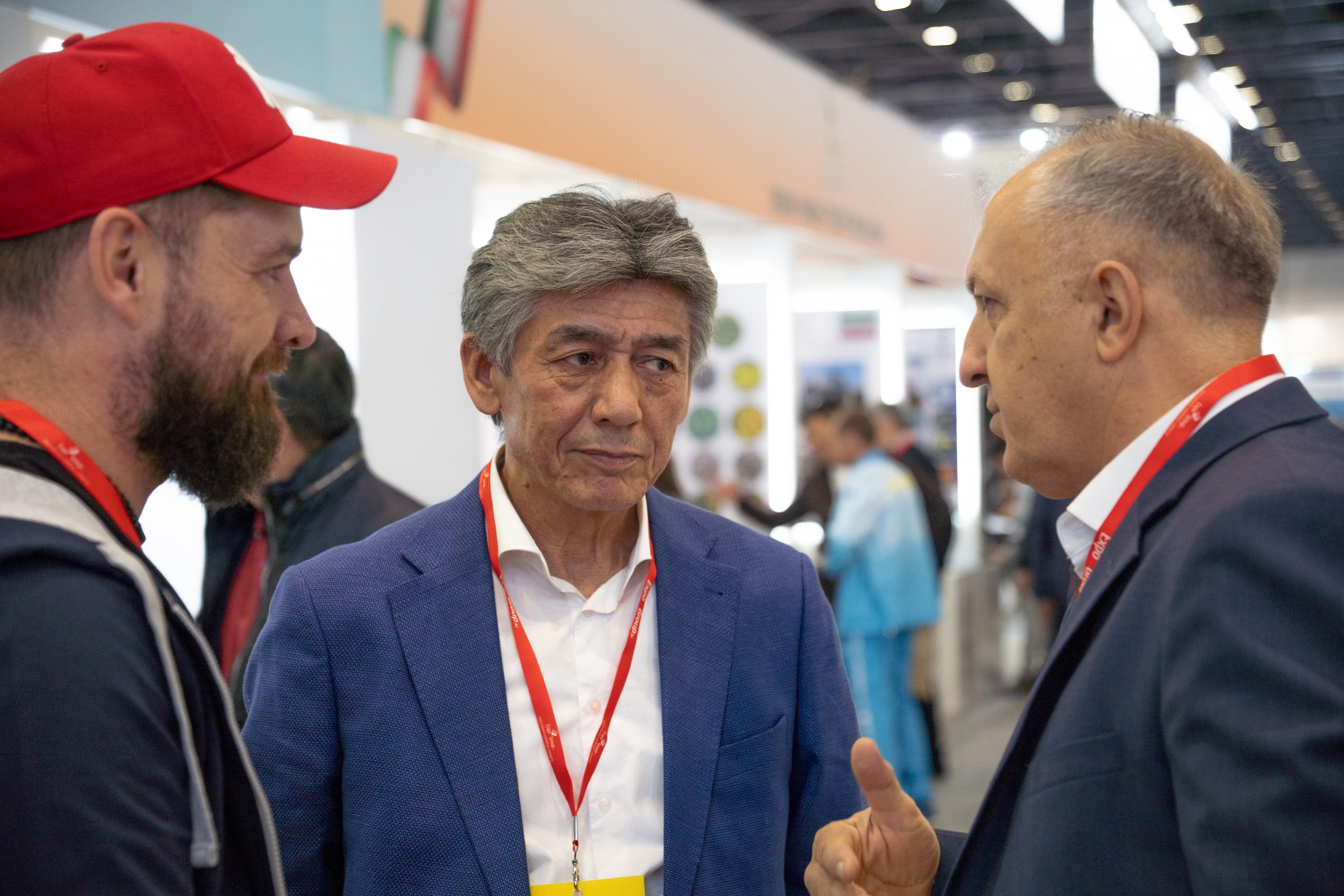
The International Potato Tour (IPT) continues its journey across countries where potatoes are not just a crop but a strategic commodity. This time, the team arrived in Astana, the capital of Kazakhstan, to attend one of the country’s largest agricultural exhibitions — KAZAGRO.
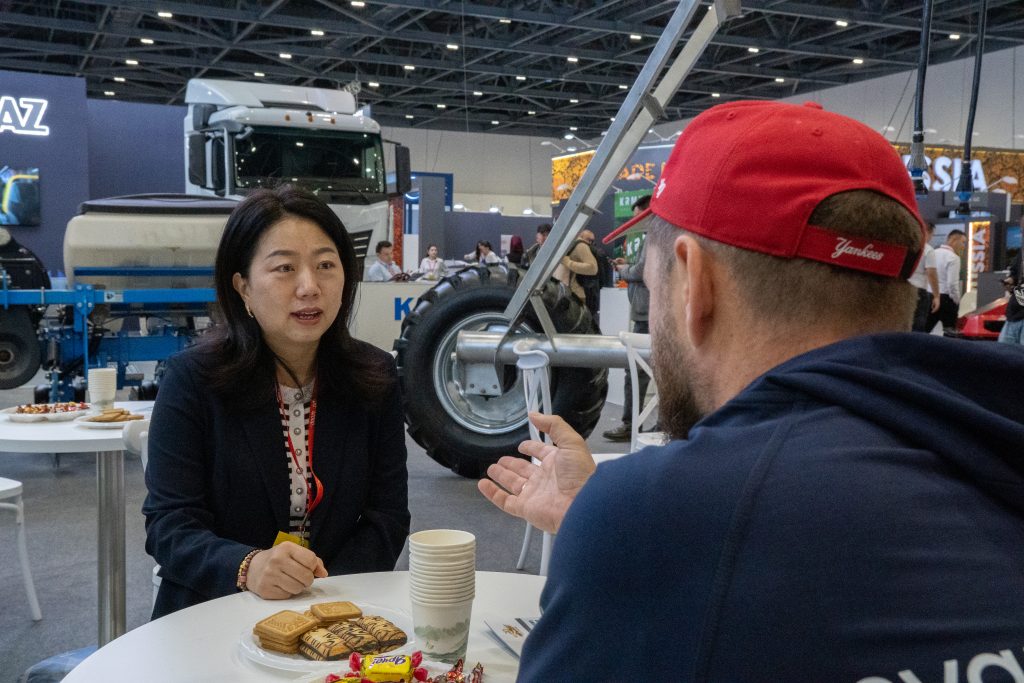
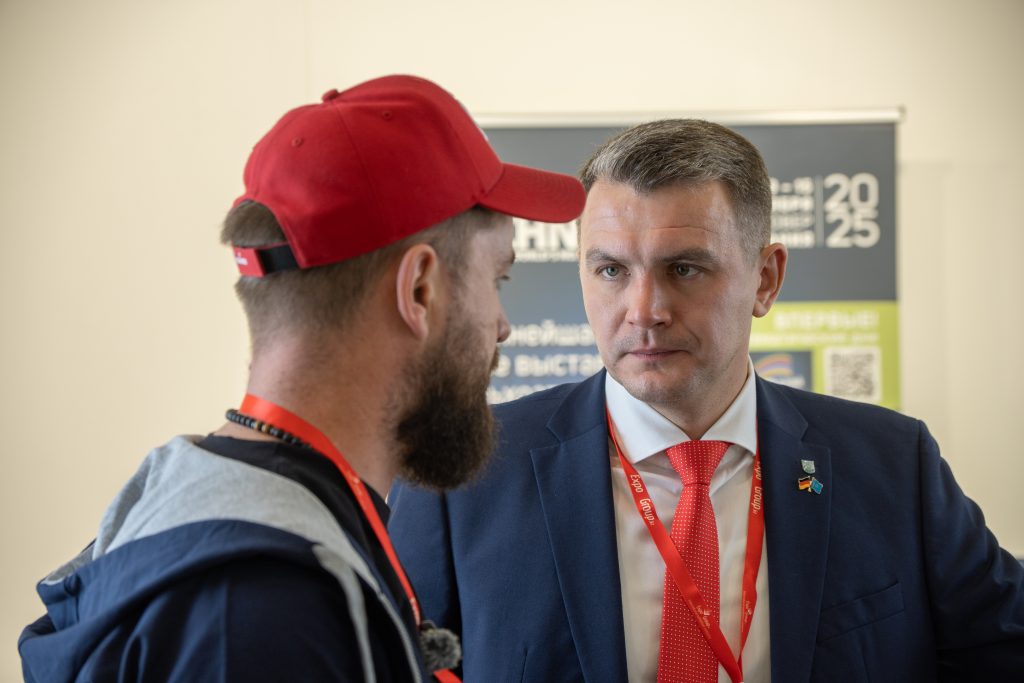
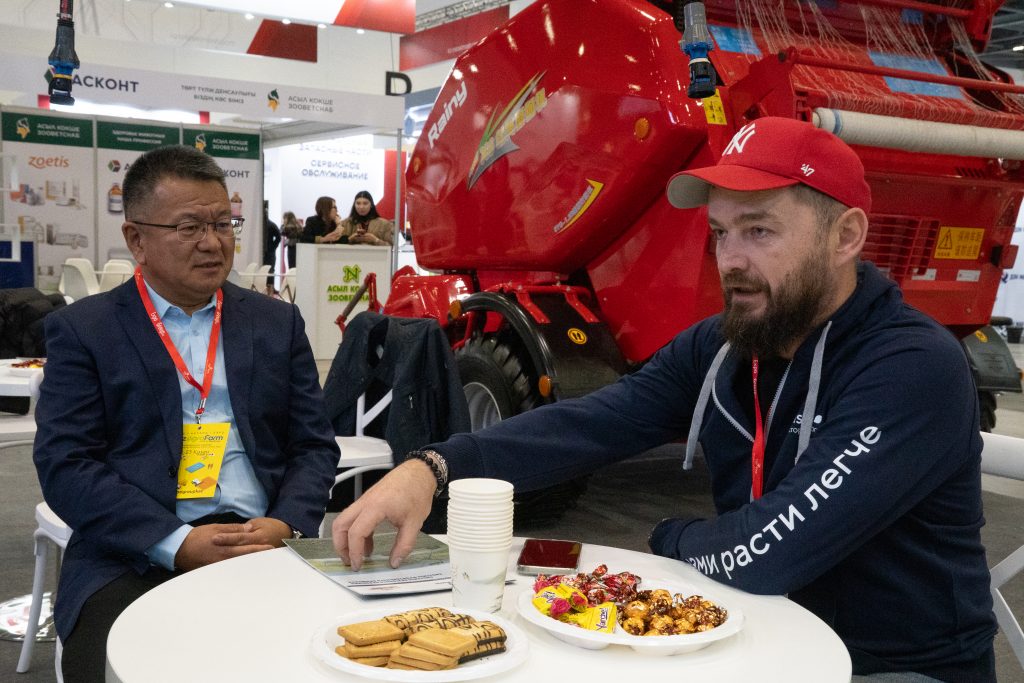
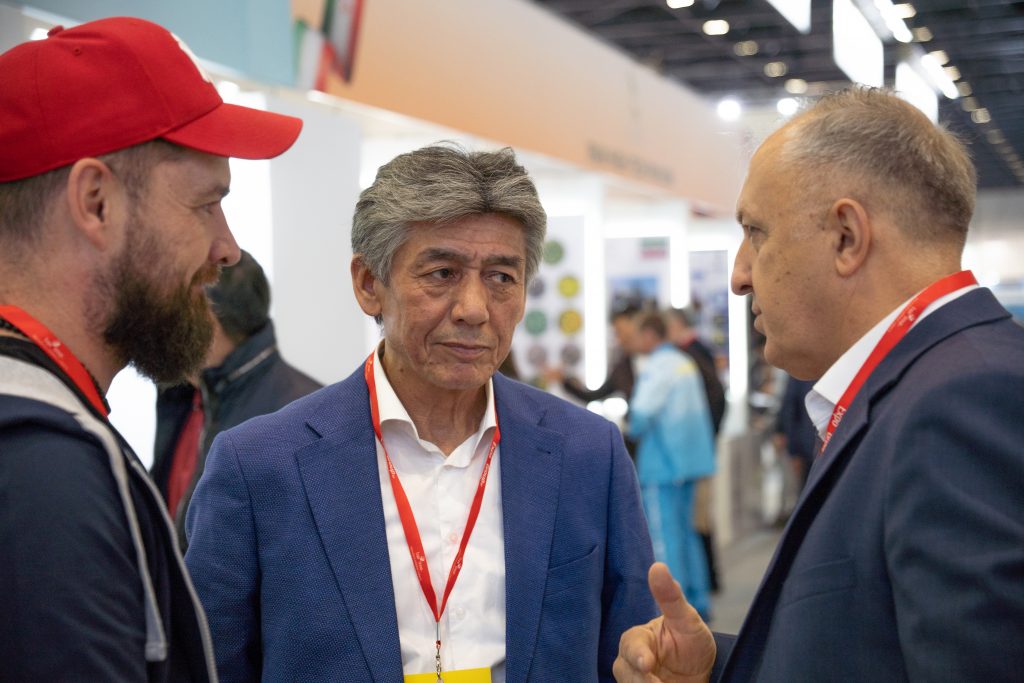
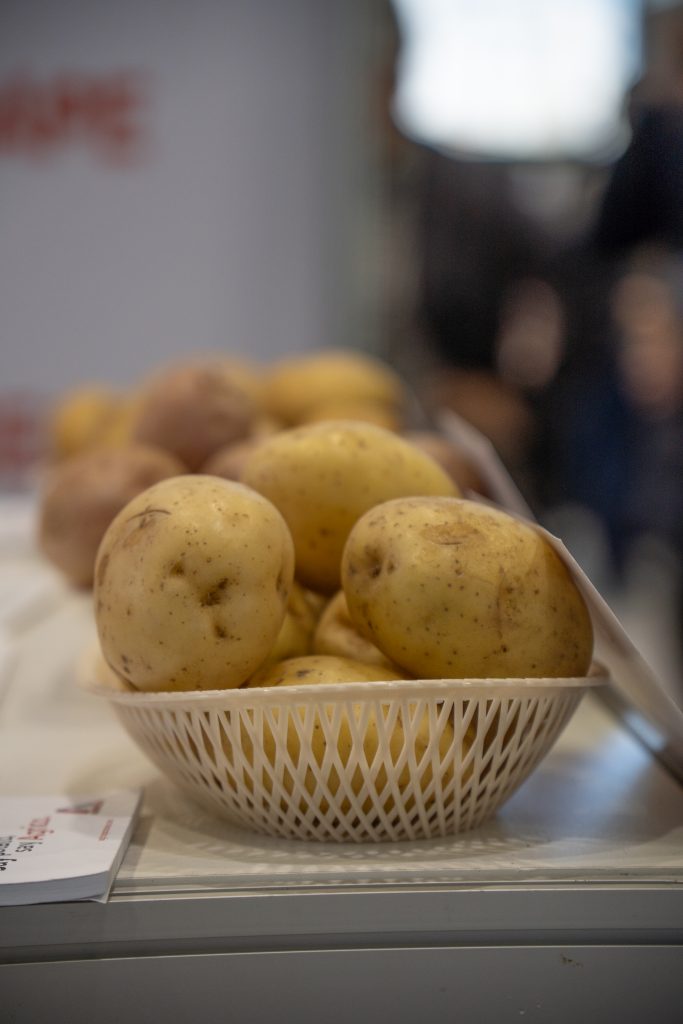
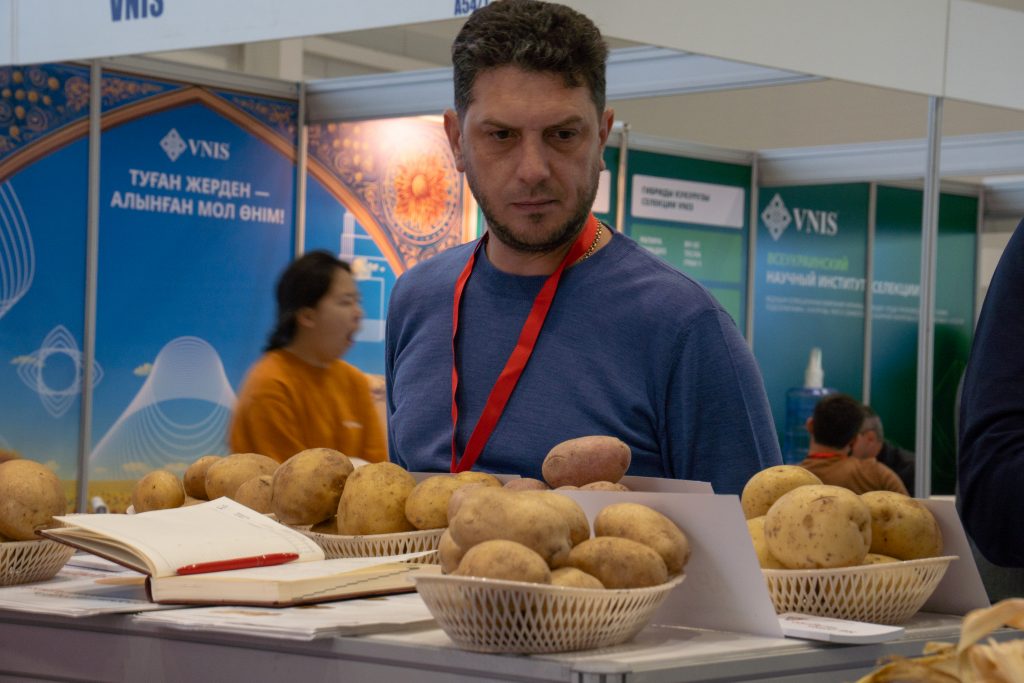
Together with the General Partner — Avgust (avgust.com) — and other participants, the Potatoes.News team explored the latest achievements in potato growing, modern varieties, and processing technologies.
Season Results: Surplus and Stable Prices
According to Alexander Matvienko, Executive Director of the Potato Union of Kazakhstan, the 2024/25 season was successful for most farmers.
“Weather conditions were favorable, and late blight pressure was minimal. Some bacterial issues appeared in certain areas, but most farms harvested on time. Overall, Kazakhstan recorded a potato surplus, with no signs of shortage,” he said.
Prices currently range between 120 and 135 tenge per kilogram, similar to last season’s autumn level. A price memorandum was signed to fix prices until and after the New Year, and several farms have already signed contracts with PepsiCo for processing supplies.
Field Experience with Avgust
This year, Kazakh farmers tested a wide range of crop protection products from Avgust, the general partner of the International Potato Tour.
“We worked with products such as Insight, Sukhoi Vey, and herbicides like Grominion and Kletodim. Next year, we plan to conduct trials on 50 hectares fully under Avgust protection — from seed treatment to desiccation,” Matvienko said.
Avgust is one of the leading producers of plant protection products in Eastern Europe, offering insecticides, herbicides, fungicides, and complete crop protection systems. (avgust.com)
Education Spotlight: DEULA Nienburg
Another key participant of the exhibition was DEULA Nienburg — a German agricultural education and training center that provides professional programs in farming technologies, agribusiness, and management.
“Our programs are available in multiple languages and adapted to local markets,” the DEULA representative explained. “Farmers can gain practical knowledge and modern agricultural experience applicable to their regions.”
Learn more at deula-nienburg.de.
Varieties and Processing: The Road Ahead
Napoleon Variety
Among the discussed innovations was the Napoleon variety, a key cultivar for chip processing. It features a high starch content (up to 24%), excellent frying quality, and good storability.
“Napoleon is ideal for chip production — but strict technology must be followed. Overfertilization or late harvest can reduce solid content and cause dark coloration during frying,” experts emphasized.
More details about the variety can be found at agricopotatoes.com/overview/napoleon.
Solana Group
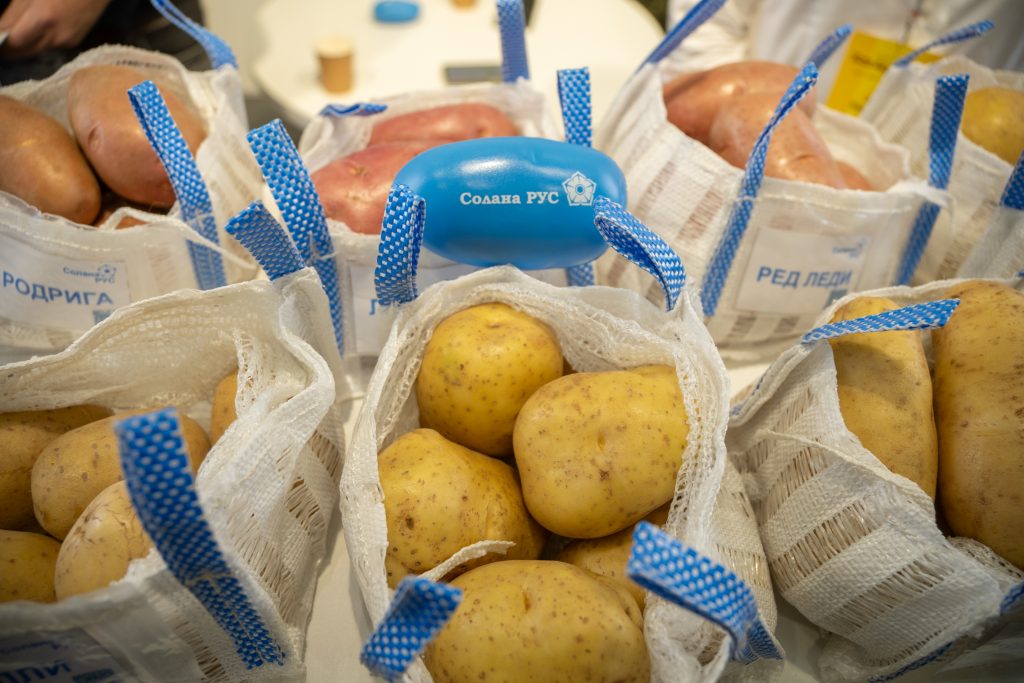
Another highlight of the KAZAGRO exhibition was Solana Group, one of the world’s leading seed potato companies, operating in more than 40 countries with a portfolio of over 60 varieties. (solana-group.com)
“Our varieties, bred in Germany and the Netherlands but grown locally in Russia, are perfectly suited for Kazakhstan’s market,” said Anna Kazadaeva from Solana.
“We already have chip processing varieties like Verdi and Opal, and we’re preparing for new projects with local processors.”
The company also promotes Edison, a promising global variety that performs well in different climates and shows increasing demand across markets.
Knowledge and Global Experience
Educational institutions such as DEULA Nienburg play a crucial role in transferring European know-how to developing potato regions. Their modular training programs cover agronomy, plant protection, storage, logistics, and farm management, helping farmers move “from planting to storage” with competence and confidence.
Why It Matters
- Kazakhstan demonstrates that it can be both a potato-producing and potato-exporting country, focused on processing and quality.
- Collaboration between international players like Avgust, Solana, and DEULA Nienburg signals a shift from “just growing” to “growing with added value.”
- Advanced varieties like Napoleon enable farmers to access the processing market and strengthen export potential.
- Education and knowledge exchange are key — technology alone is not enough without proper training.
Takeaways for Farmers and Processors
- Choose varieties with high dry matter and processing potential — Napoleon is a good benchmark.
- When protecting crops, work closely with trusted suppliers such as Avgust to test and adapt protection schemes.
- Invest in training and education through institutions like DEULA Nienburg — knowledge ensures stable results.
- Plan your logistics and market strategy — Kazakhstan’s example shows that even a surplus can become an opportunity when processing is developed.
The International Potato Tour continues.
Stay tuned for new reports, interviews, and videos on Potatoes.News.
https://potatoes.news/category/ipt