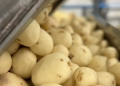
The Institute for Agricultural Research (INIA) of Chile is leading an educational initiative in the Chiloé Archipelago aimed at guiding local farmers toward more sustainable agricultural practices, with a specific focus on reducing reliance on chemical pesticides in potato crops.
Potato cultivation is deeply rooted in the cultural identity and economy of Chiloé, an area internationally recognized for its rich biodiversity and native potato varieties. To safeguard this heritage and promote environmental sustainability, INIA has rolled out a series of technical training workshops designed for small and medium-sized local producers.
Promoting Integrated Pest Management (IPM)
The main objective of these training sessions is to transfer knowledge regarding Integrated Pest Management (IPM). This approach prioritizes biological, physical, and cultural control methods over conventional chemical treatments.
During the workshops, agricultural experts demonstrate practical techniques to monitor and identify common pests and diseases affecting potato crops in the region, such as late blight (Phytophthora infestans) and various subterranean insects. By understanding the specific lifecycles of these threats, farmers can make informed decisions and apply targeted interventions only when strictly necessary, rather than following rigid, calendar-based chemical spraying schedules.
Protecting Ecosystems and Health
Transitioning toward agroecological and low-chemical methods is considered vital for Chiloé. Given the archipelago’s unique and fragile island ecosystem, the overuse of synthetic inputs poses risks to local water sources, soil health, and beneficial pollinator populations.
Furthermore, reducing chemical usage enhances the safety and commercial value of the harvested potatoes. Consumers are increasingly demanding healthier, sustainably grown food, and Chiloé’s native potatoes stand to gain a significant market advantage by aligning with these green standards.
Empowering Local Communities
The workshops emphasize participatory learning, encouraging farmers to share their traditional knowledge while adopting modern, eco-friendly scientific tools. INIA researchers highlighted that the adoption of these practices not only minimizes environmental impact but also helps lower production costs for smallholders by reducing their dependence on expensive imported chemical inputs.
Through this initiative, INIA continues to strengthen its commitment to sustainable agriculture in southern Chile, ensuring that Chiloé’s ancestral potato-growing tradition can thrive in harmony with the environment for generations to come.
Source: Argenpapa