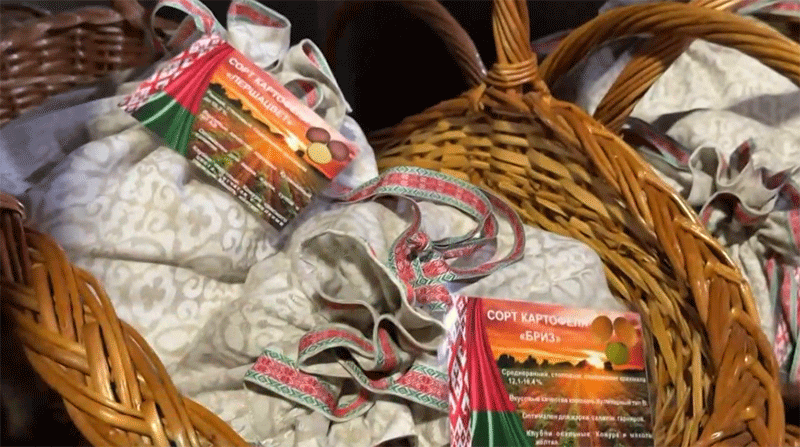
In a striking demonstration of agricultural diplomacy, Belarusian President Alexander Lukashenko recently presented leaders of the Shanghai Cooperation Organization (SCO) with gifts showcasing his country’s farming prowess: premium potato varieties and nutritious rapeseed oil. This strategic move underscores how agricultural products are becoming increasingly important in international relations while highlighting Belarus’s specific strengths in plant breeding and food processing.
The gifted potato varieties—”Pervotsvet” and “Briz”—represent the culmination of Belarus’s sophisticated potato breeding program. Belarus has established itself as a global leader in potato science, with the country dedicating approximately 300,000 hectares to potato cultivation annually. According to data from the Belarusian Institute of Potato Growing, the nation has developed over 100 potato varieties adapted to northern growing conditions, with yields averaging 30-35 tons per hectare in recent years, significantly above the global average of approximately 20 tons per hectare.
The inclusion of rapeseed oil in the diplomatic gifts highlights another agricultural success story. Belarus has dramatically expanded its rapeseed production, with cultivation area growing from just 50,000 hectares in 2000 to over 400,000 hectares today. The country now produces approximately 700,000 tons of rapeseed oil annually, with a significant portion destined for export markets. This expansion reflects global trends showing rapeseed oil consumption increasing by approximately 4% annually due to its favorable nutritional profile, including high levels of omega-3 fatty acids and vitamin E.
This agricultural diplomacy occurs within the context of Belarus’s broader trade relationships. The country has increasingly oriented its agricultural exports toward Eastern markets, with exports to SCO member states growing by 25% in the past year alone. Belarus’s agricultural export strategy aligns with global patterns where food-exporting nations are strengthening ties with rapidly growing consumer markets in Asia.
The choice of these specific products reflects careful strategic thinking. Potatoes represent food security and agricultural independence, while rapeseed oil symbolizes healthy nutrition and modern food processing capabilities. Both products demonstrate Belarus’s capacity to meet international quality standards and compete in sophisticated global markets.
President Lukashenko’s diplomatic gifts represent far more than symbolic gestures—they highlight Belarus’s strategic positioning as a reliable supplier of high-quality agricultural products to growing Asian markets. The selection of specifically branded potato varieties and processed rapeseed oil demonstrates a sophisticated understanding of how agricultural excellence can enhance a nation’s international standing. For agricultural professionals worldwide, this episode underscores the increasing importance of developing distinctive, high-value products that can serve both economic and diplomatic purposes. As global food trade becomes increasingly politicized, the ability to produce unique, premium agricultural commodities may prove as valuable for international relations as for economic development.
