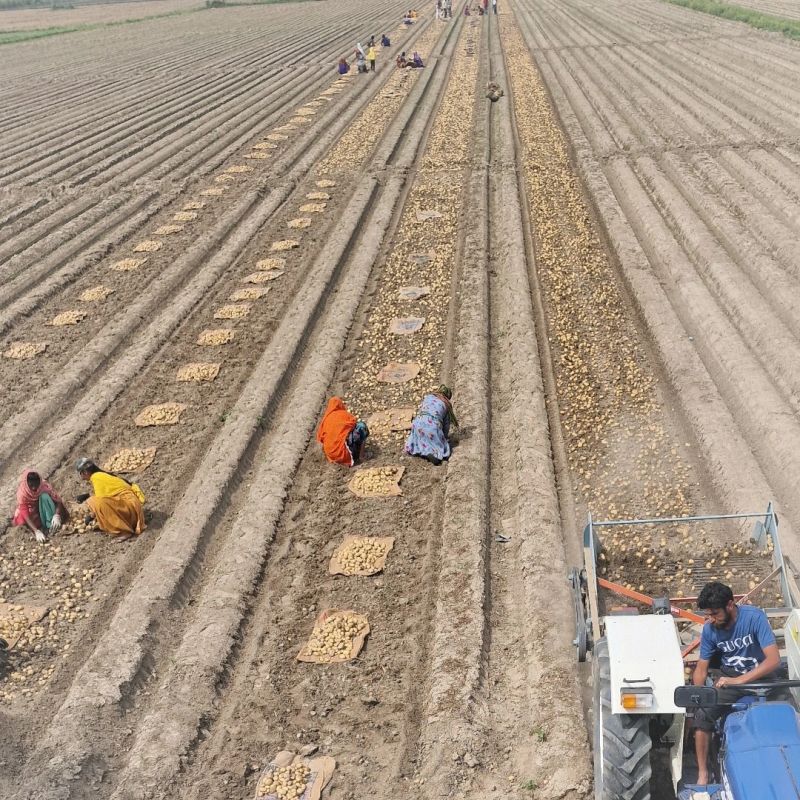
Harinder Singh Dhindsa reports on the vital process of harvesting early generation potato seeds, shedding light on the significance of this step in potato cultivation. As the foundation of the potato planting cycle, early generation seeds play a crucial role in ensuring successful potato crops and maintaining genetic diversity within the potato industry.
Early generation potato seeds, often referred to as true potato seeds (TPS), are the result of sexual reproduction in potato plants. Unlike traditional seed potatoes, which are propagated vegetatively from tubers, TPS offer advantages such as increased disease resistance, genetic variability, and ease of transportation.
The harvesting of early generation potato seeds involves meticulous attention to detail and adherence to best practices. Farmers must wait for the potato plants to flower and develop seed balls containing the true seeds. Once mature, these seed balls are carefully collected and processed to extract the valuable seeds within.
Harinder Singh Dhindsa emphasizes the importance of selecting high-quality seed balls for harvesting, as they directly impact the genetic diversity and vigor of future potato crops. By prioritizing healthy plants and utilizing proper harvesting techniques, farmers can optimize seed yield and quality, setting the stage for robust potato production.
Furthermore, harvesting early generation potato seeds contributes to the ongoing research and development efforts in potato breeding. Plant breeders rely on these seeds to introduce desirable traits such as disease resistance, improved yield, and adaptability to diverse growing conditions, thereby enhancing the sustainability and resilience of potato agriculture.
In conclusion, the harvesting of early generation potato seeds represents a critical stage in the potato cultivation process. Through careful selection, handling, and processing of true potato seeds, farmers and plant breeders alike can lay the groundwork for productive and resilient potato crops, ensuring a sustainable future for potato agriculture.