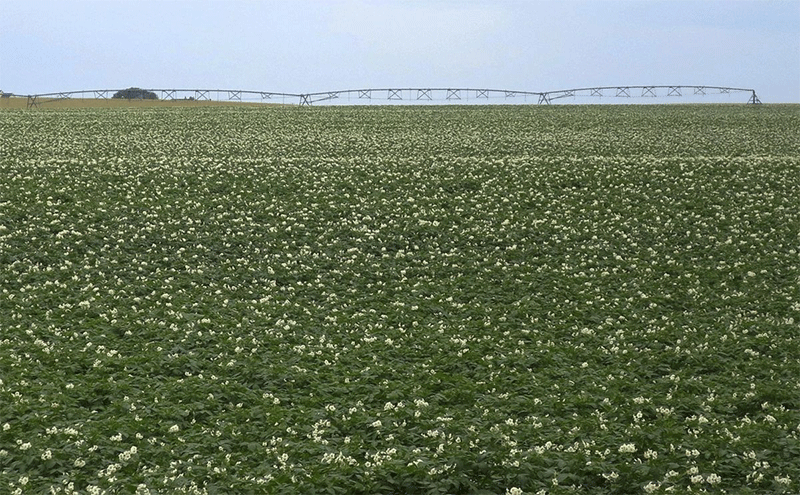
Maine’s potato industry, a cornerstone of the state’s agricultural economy, is facing one of its most significant challenges in recent years as drought conditions threaten crop yields and quality across the state. According to the U.S. Drought Monitor, approximately 80% of Maine is currently experiencing some level of drought, creating difficult growing conditions for the potato crop that contributes $1.3 billion annually to the state’s economy. The situation has become particularly critical in recent weeks, with farmers reporting that conditions have “basically dried up” in August after relatively favorable moisture through June and early July.
The drought impact varies across the state, with southern regions experiencing more severe conditions, but even northern growing areas are feeling significant effects. Jake Dyer, agronomist and director of seed production for the Maine Potato Board, noted that while growing conditions were initially favorable, the lack of precipitation in late July and August could still stunt crop growth and reduce yields. The National Weather Service predicts little relief until early autumn, prompting farmers with irrigation capabilities to deploy these systems extensively—an unusual measure for a region that typically relies on natural precipitation.
Meteorologist Todd Foisy from the National Weather Service station in Caribou observed that many northern farmers are already irrigating their fields, noting that “that’s not something we always have to do up here,” highlighting the unusual nature of the current dry conditions. This irrigation response represents both a financial burden for farmers, who must bear additional energy and equipment costs, and a operational challenge in managing water resources effectively.
The drought comes at a time when the potato industry is already facing multiple challenges. According to the USDA’s 2024 National Agricultural Statistics Service report, potato production costs have increased by 18-22% over the past three years, primarily due to rising energy, fertilizer, and labor expenses. The additional irrigation requirements will further increase production costs, potentially squeezing profit margins even if yields are maintained.
The drought conditions in Maine highlight the increasing vulnerability of agricultural systems to climate variability and the growing importance of irrigation infrastructure even in regions traditionally blessed with adequate rainfall. For potato growers in Maine and similar regions, the current situation underscores the need for both short-term adaptation strategies, such as improved irrigation efficiency, and long-term planning for water resource management. As climate patterns continue to shift, the ability to mitigate drought impacts through technological and management interventions will become increasingly critical for maintaining agricultural productivity and economic stability. The Maine potato industry’s response to this challenge may offer valuable lessons for other agricultural regions facing similar climate-related pressures.
