Cundinamarca Delivers Seed and Inputs to 126 Potato Producers in Fedepapa Program

The Cundinamarca departmental government, working with national potato federation Fedepapa, has delivered seed potato, minitubers and fertilizer packages worth around 105 million pesos per association to 12 producer associations covering 126 farming families, with technical support through planting and the growing season.
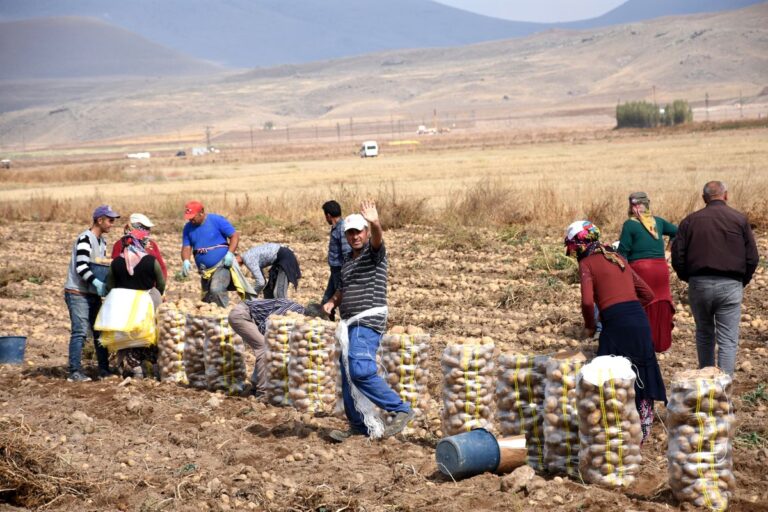
The government of Cundinamarca, the Colombian department surrounding Bogotá, has delivered seed and input packages to 12 potato producer associations representing 126 producers and their families, in a program run jointly with Fedepapa, the national potato producers’ federation. The delivery was marked by an official visit to the municipality of Une, reported on 8 October.
Under the program’s structure, each association receives approximately 90 million Colombian pesos in seed potato and minitubers plus around 15 million pesos in fertilizers and other inputs — roughly 105 million pesos per association, putting the total package at about 1,260 million Colombian pesos across the 12 associations.
Weekdays. Unsubscribe in one click.
The intervention targets the single largest cost and quality bottleneck in Colombian smallholder potato production: seed. Certified seed and minitubers — the disease-free starting material produced in controlled systems — remain expensive relative to farm-saved seed, and smallholders who plant degraded farm-saved material lose yield to virus and bacterial wilt pressure year after year. Programs that put certified or quality-declared seed into association hands are the standard public policy tool for breaking that cycle in the Colombian highlands.
The package is not limited to physical inputs. The program includes technical accompaniment through planting, crop development and phytosanitary management over the season — the agronomy support that determines whether better seed actually converts into better yields. Fedepapa’s role as co-executor links the departmental program to the federation’s existing technical network and its seed multiplication programs.
Cundinamarca is one of Colombia’s principal potato departments, sitting in the high-altitude belt where most of the country’s consumption potatoes are grown, and where smallholders dominate production. Yield gaps between farmers using certified seed and those replanting their own remain among the widest in Latin America, which is why seed-focused public programs recur in departmental agricultural budgets across the region.
For the 126 families involved, the immediate effect is a lower cash requirement at planting — the moment of peak financial exposure in the potato calendar — and access to planting material with documented health status. The program’s results will only be measurable at harvest, but the structure mirrors approaches that have shown yield effects in comparable Andean programs.
The Une visit also carries a political signal. Departmental governments in Colombia’s potato belt compete visibly for rural constituencies, and input-delivery programs are among the few agricultural policy tools whose effect a farmer can hold in his hands within weeks. For Fedepapa, co-executing the program strengthens its case as the sector’s indispensable intermediary — the organization that can move public money into certified seed faster than departmental procurement could manage alone. If the accompanied plantings in Une and the other municipalities show the yield difference at harvest, the program becomes the template other departments will be asked to copy in their next budget cycles.