Canada Heads for Record 130.6 Million cwt Potato Harvest, Insiders Estimate
Canadian potato production is estimated at 130.6 million hundredweight — about 5.92 million tonnes — up 3.7% on last year and a record, with Prince Edward Island up 22%, while the industry braces for the smallest U.S. crop in 16 years.
Canada’s 2026 potato harvest is tracking toward a record 130.6 million hundredweight — approximately 5.923 million tonnes — according to industry insider estimates reported by Boerenbusiness on 29 September. That would be 3.7% above last year’s 5.710 million tonnes.
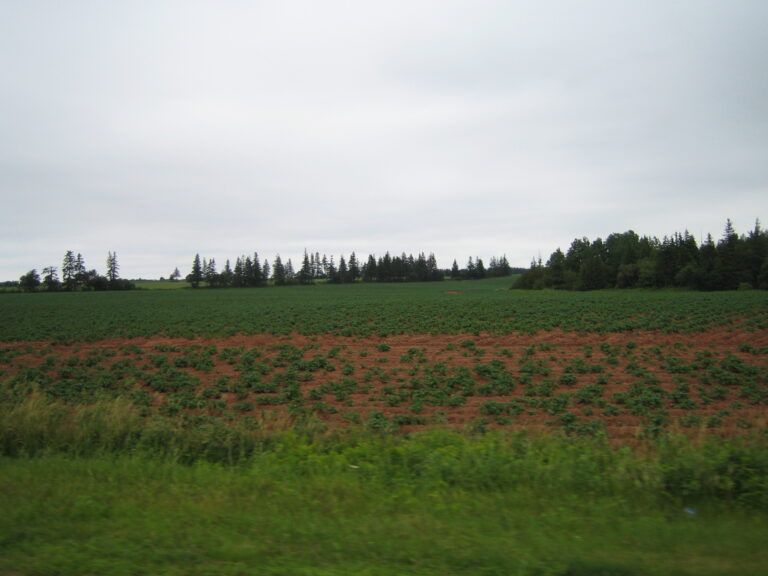
The record is being built in the east. Prince Edward Island, the country’s largest potato province, is expected to be up 22% on last year; Quebec is estimated 8% higher and New Brunswick 3% higher. The western provinces move the other way: Saskatchewan is down 4.5%, Manitoba down 7%, and Alberta roughly unchanged at about 1.55 million tonnes from 1,700 hectares more than last year.
Weekdays. Unsubscribe in one click.
Nationally, the harvested area is estimated at 157,213 hectares — 2,711 hectares fewer than Statistics Canada’s earlier figure — which means the record production is being achieved on slightly less land: yields per hectare are up, helped by late-season rains that added tuber bulking (“nagegroei”) in the final weeks.
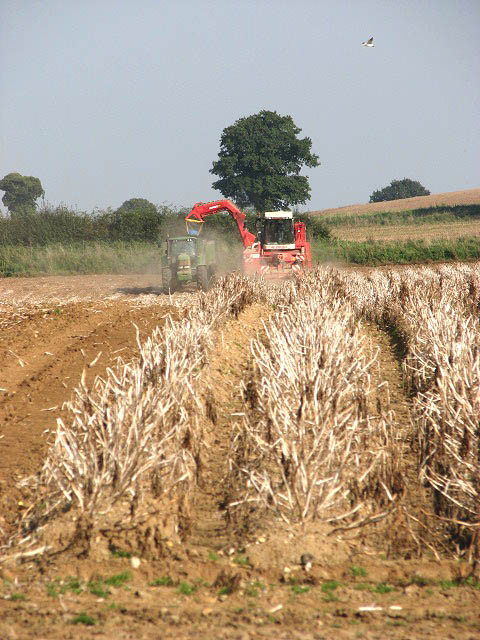
Harvest was in full swing at the time of the estimate, with an estimated 10–15% of the storage crop already in the barns. Processors are reported to be running at high capacity, absorbing the early deliveries of processing varieties.
The continental context makes Canada’s record more than a national story. The industry is bracing for the smallest U.S. potato crop in 16 years, and in an integrated North American market a short American crop against a record Canadian one reshapes trade flows: Canadian processors and shippers face both an opportunity to supply southward and upward price pressure at home as U.S. buyers look north. For the Canadian fry and chip sectors — which compete directly with European exporters whose June shipments hit near-record volumes at falling prices, per our separate coverage — the raw material balance also matters for export competitiveness.
The figures remain insider estimates rather than official statistics. Final provincial production numbers from Statistics Canada typically confirm or adjust the trade estimates later in the autumn, and storage reports through the winter will show how much of the record crop is actually marketable — the same rains that boosted bulking can leave quality problems in storage, a risk that will only become visible as sheds open through the shipping season.
The regional divergence within the record matters as much as the headline. Prince Edward Island’s 22% rebound restores supply from the province that anchors Canada’s fresh and seed potato trade, while the western declines in Saskatchewan and Manitoba tighten the regional balance for the prairie processing belt exactly where fry capacity has expanded in recent years. Alberta’s flat production on slightly more area points to yields capped by the same dry summer that hit the western provinces. For U.S. buyers facing their own historically small crop, the geography is favorable: the Canadian surplus is concentrated in the east, closest to the deficit-prone U.S. markets, which sets up a winter of active cross-border negotiation — and a rare season in which Canadian growers enter those talks holding the stronger hand.