
Brazil: Potato Prices Drop Due to Increased Harvest Intensity

Exclusive for Potatoes.news
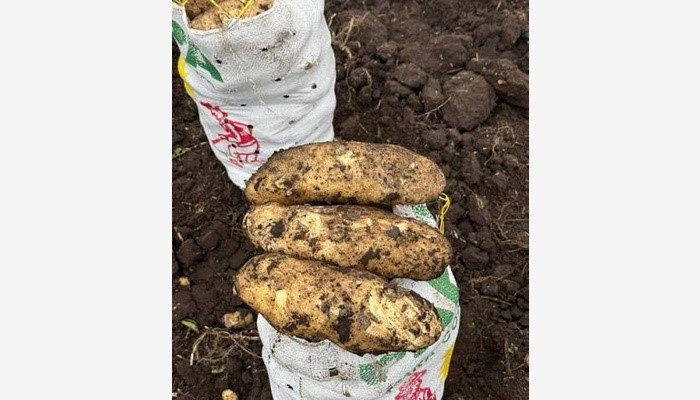
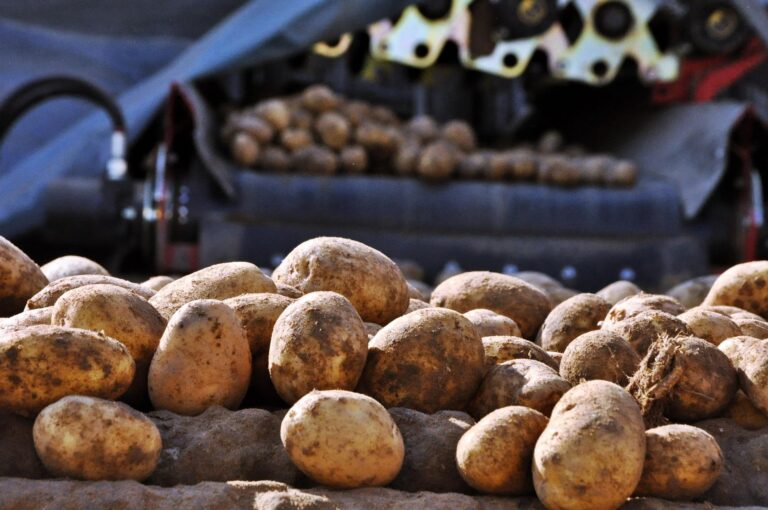
As of late June 2026, the Brazilian potato market is witnessing a continuous decline in prices, driven primarily by the increasing intensity of the ongoing harvest. Following consecutive weeks of elevated market values earlier in the year, the influx of fresh tubers has begun to stabilize wholesale dynamics and provide relief to buyers.
Harvest Progress and Market Impact
The recent price adjustments are a direct consequence of improved field conditions and an acceleration of harvesting activities across major producing regions. According to the latest data from the Center for Advanced Studies on Applied Economics (Cepea/hfbrasil.org.br), the wholesale market is currently experiencing a robust supply of fresh potatoes.
Weekdays. Unsubscribe in one click.
- Increased Supply: The steady arrival of tubers from regions such as the South of Minas Gerais, the Cerrado, the Southwest of São Paulo, and Goiás has successfully bulked up the inventories at central distribution hubs.
- Price Adjustments: This higher volume has naturally pushed prices downwards, breaking the inflationary trend that characterized the market during the heavy rain periods earlier in the season.
Despite the drop, market analysts emphasize that the overall quality of the incoming tubers remains remarkably high, which maintains a baseline standard for the traded produce.
Weather Forecasts: A Potential Disruption
While the current market trend points towards lower prices due to abundant supply, industry experts are closely monitoring the weather forecasts for the upcoming week.
Meteorological reports indicate that intense rainfall is expected to hit the southern regions of Brazil, particularly affecting states like Rio Grande do Sul. These impending weather events pose a significant risk to the current supply chain:
- Harvest Interruptions: Heavy rains will likely force producers in the South to temporarily halt their field operations, preventing them from harvesting the crop.
- Supply Restrictions: A pause in the southern harvest could restrict the overall national supply volume, potentially causing prices to stabilize or even spike temporarily in the short term until favorable conditions return.
Looking Ahead
For now, wholesalers and distributors are taking advantage of the increased availability and lower costs. However, the delicate balance of the fresh produce market remains heavily reliant on climatic conditions. Stakeholders across the supply chain are advised to remain vigilant, as the predicted rainfall in the South could quickly shift the market dynamics as we transition into July.
Sources of Information:
- Argenpapa: Brasil: El precio de la papa baja debido a la mayor intensidad de la cosecha. (argenpapa.com.ar/noticia/17415-)
- Argenpapa / Regional Updates: Se pronostican fuertes lluvias para Rio Grande do Sul. (June 26, 2026)
- HFBrasil / Cepea: Market intelligence reports on fresh produce supply and weather impacts.
- Argenpapa Historical Data: Market trends regarding supply reductions and wholesale price increments.