
Brazil: Potato Prices Decline as the Harvest Advances
Exclusive for Potatoes.news
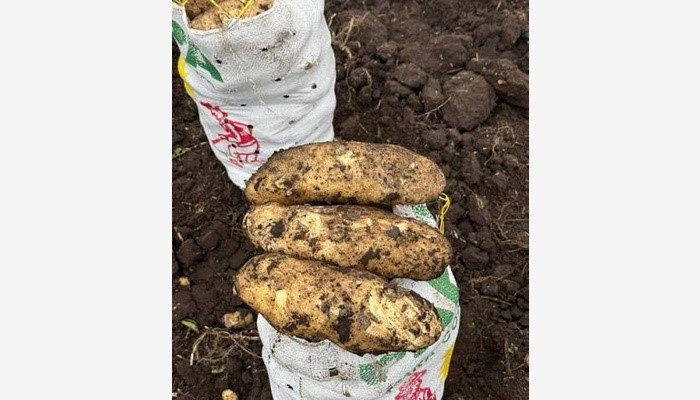
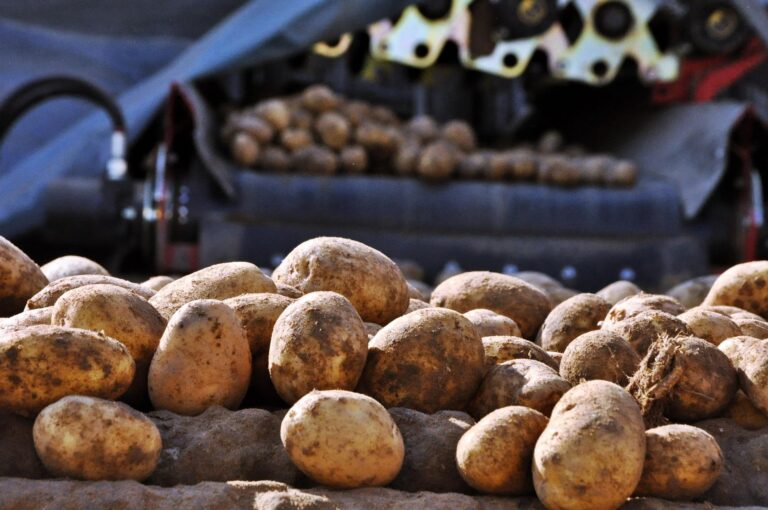
In the final weeks of June 2026, the Brazilian potato market is experiencing a downward shift in prices. According to recent market intelligence, this decline is directly linked to the intensification of harvesting activities across major producing regions, driven by improved field productivity and expanded harvest areas.
Wholesale Market Dynamics
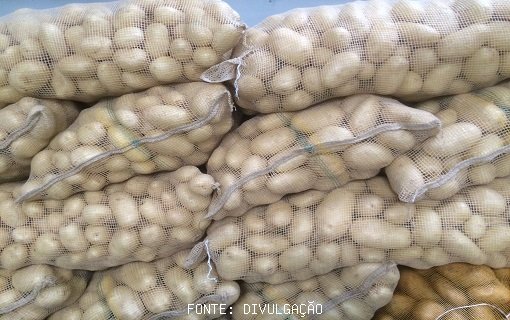
Data from the Center for Advanced Studies on Applied Economics (Cepea/hfbrasil.org.br) reveals a consistent drop in the wholesale prices of the special Ágata potato variety. Over the recent week, the market recorded the following averages for a standard 25 kg bag:
Weekdays. Unsubscribe in one click.
- São Paulo (SP): R$ 103.50, reflecting a significant drop of 16.1%.
- Belo Horizonte (MG): R$ 92.10, showing a decrease of 13.4%.
- Rio de Janeiro (RJ): R$ 112.50, remaining relatively stable with a slight dip of 0.3%.
Despite these successive weekly declines, market analysts note that absolute prices remain at elevated levels compared to historical averages, largely due to the residual effects of climate disruptions earlier in the year.
Supply Chain and Tuber Quality
The primary factor pushing prices down is the increased volume of tubers arriving at distribution centers.
- Active Regions: The wholesale market is currently well-supplied by fresh crops from the South, the Cerrado, the South of Minas Gerais, the Southwest of São Paulo, and recent active harvesting in Cristalina, Goiás.
- Tuber Quality: While some producers faced localized challenges with skin quality after being forced to harvest during intermittent rains, wholesalers generally highlighted the overall good quality of the tubers being received at central markets.
Future Market Outlook
Looking ahead to the end of June and early July, wholesalers do not anticipate drastic structural changes in the overall market behavior. However, weather forecasts remain a crucial variable for short-term supply logistics.
- Meteorologists predict heavy rainfall in the southern regions of Brazil in the coming days.
- These localized rains could temporarily halt field operations, potentially restricting the supply from these specific areas and stabilizing the current downward price trend.
As the dry season harvest progresses, both producers and distributors are closely monitoring regional weather patterns to navigate the delicate balance between field supply volume and market value.
Sources of Information:
- Argenpapa: Brasil: Los precios de la papa bajan a medida que avanza la cosecha. (argenpapa.com.ar/noticia/17410-)
- Argenpapa: Brasil: El precio de la papa baja debido a la mayor intensidad de la cosecha.
- Cepea / HFBrasil: Batata/Cepea: Preço cai com a colheita mais intensa (Wholesale market reports, June 2026).