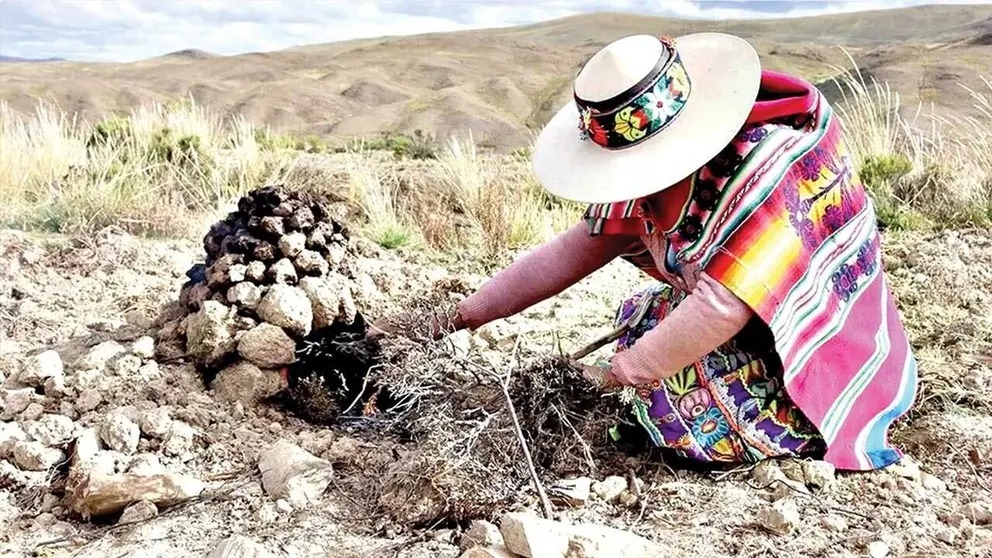
In the highlands of Bolivia, where the potato originated thousands of years ago, farmers are facing a growing challenge — the gradual disappearance of traditional potato diversity. Once known for cultivating dozens of native varieties adapted to different altitudes, soils, and climates, many Bolivian producers are now limiting their production to just a few types.
“Now we only grow three native potato varieties: Copacabana, Waycha, and Sacambaya,” says a Bolivian farmer in a recent report. This reduction reflects a wider trend across the Andean region, where climate change, market pressures, and the shift toward commercial hybrid varieties are threatening local biodiversity.
The Waycha variety is highly appreciated for its flavor and texture, ideal for traditional dishes like chuño and wallake, while Copacabana and Sacambaya are prized for their yield and resilience in the Andean highlands. However, many other native varieties — each with unique colors, shapes, and resistance to diseases — are being lost as farmers adapt to changing economic realities.
Experts warn that this genetic erosion could have long-term consequences for food security. Native potatoes hold key traits for breeding programs, such as drought tolerance, pest resistance, and nutritional diversity. Maintaining their cultivation and supporting smallholder farmers in the Andes is crucial to preserving this genetic heritage.
Efforts by local cooperatives, agricultural research centers, and NGOs are underway to recover and conserve traditional varieties. Initiatives include community seed banks, participatory breeding, and market promotion of native potatoes under designations of origin.
Bolivia remains one of the world’s most important centers of potato diversity — a legacy that deserves protection and renewed attention.
Source: argenpapa.com.ar/noticia/16683-