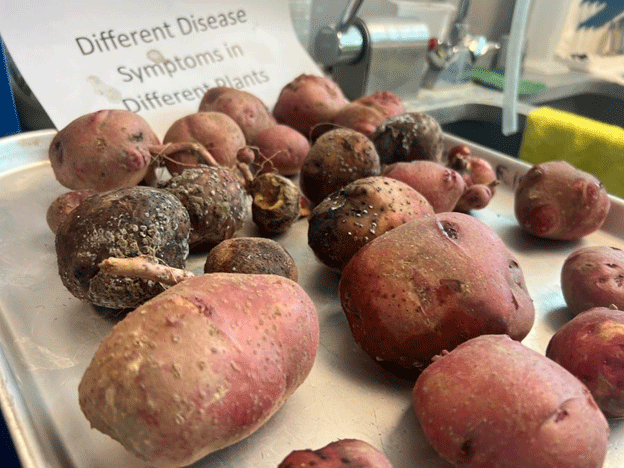
Black dot: what is this disease?
Black dot is a fungal disease that affects the roots, stems and tubers of potatoes. It appears as small black spots on the surface of the plant and can lead to significant crop losses. The main route of spread is infected seed and soil.
As Julie Pasche, professor and chair of the potato phytopathology department at the University of North Dakota, notes, the pathogen is highly resistant and can persist in the soil for decades, accumulating with each new harvest.
Impact on yield
Black spot develops in two phases:
- Foliar phase – associated with early wilt syndrome, which is also caused by verticillium wilt and other pathogens. This can lead to reduced yields and reduced tuber size, which is especially important for processors.
- Tuber spot phase – is critical for table potato producers. It causes a change in skin color, which makes potatoes less attractive to buyers.
Control and prevention methods
It is difficult to completely get rid of black spot, but there are ways to minimize its impact:
- Crop rotation: the best method of prevention is to leave fields fallow for 15-20 years. However, this is not very feasible in practice, so crop rotation with crops that are not hosts of the fungus can reduce its spread.
- Use of high-quality planting material: purchasing certified seed potatoes reduces the risk of infection.
- Fungicides: can be “relatively effective,” but do not guarantee complete protection. Regular application of fungicides reduces the infection load.
- Soil moisture control: the fungus thrives in high moisture conditions, so drainage and irrigation regulation can help reduce the risk of infection.
Control prospects
While black dot remains a serious problem, researchers are confident that it can be managed. The development of new control methods and the selection of resistant varieties will help farmers minimize losses.
Do you think more research is needed on the selection of resistant potato varieties, or is it more important to focus on cultural control methods? Share your opinion in the comments!