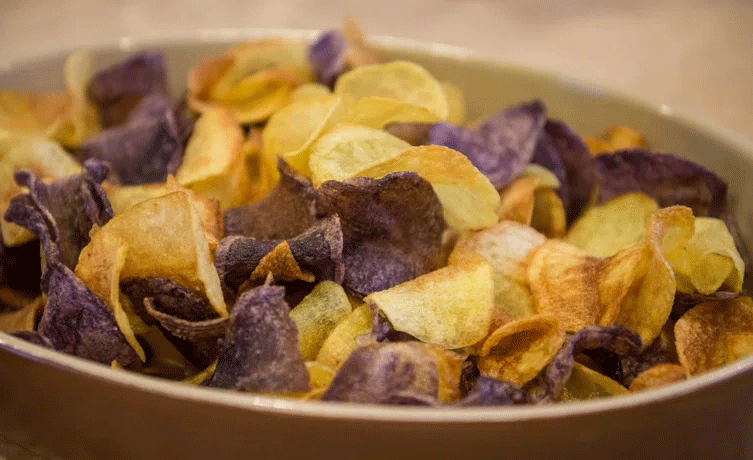
Move over, VR-808 and Lady Clare. In the Sverdlovsk region, a quiet revolution in potato breeding is underway, aiming to transform the visual and nutritional profile of one of the world’s most popular snacks: the potato chip. Scientists at the Ural Agrarian Research Center are developing domestic Russian potato varieties with pink and purple flesh specifically designed for chip production. This effort goes beyond novelty; it is a strategic move to tap into the growing consumer demand for visually distinct, naturally derived, and potentially healthier food options, creating a new, high-value market niche for potato growers.
The Precision Agronomy of Chip Potatoes
The creation of a successful chip potato, colored or not, is a precise science. As lead researcher Elena Shanina stated, the varieties must meet stringent biochemical benchmarks. The two most critical parameters are a high dry matter content (typically above 20%) and an exceptionally low concentration of reducing sugars (below 0.1-0.2%). High dry matter ensures a crisp texture and lower oil absorption during frying, while low sugar levels prevent the Maillard reaction from causing undesirable dark brown coloration. The pigmentation in these new varieties comes from anthocyanins and carotenoids—natural antioxidants also found in blueberries and red cabbage. The global market for anthocyanins is projected to exceed $700 million by 2030, driven by demand for natural colorants and functional foods. By embedding these compounds directly into the potato, breeders are adding a health-conscious marketing angle that transcends the standard chip.
From Field to Fryer: The Long Path to Commercialization
The development timeline underscores the complexity of modern plant breeding. The experimental varieties are currently in multi-year, multi-regional trials across Russia. This process is essential to confirm the stability of their agronomic traits—such as yield, disease resistance, and dormancy—as well as the consistency of their internal biochemistry under different growing conditions. This lengthy validation process, which can take up to a decade from initial cross to commercial release, is a necessary investment to ensure that growers have a reliable product and that processors receive a uniform raw material. The success of such initiatives is reflected in global trends; the colored potato segment, though still niche, is experiencing growth, with studies in the American Journal of Potato Research highlighting their potential for premium product development and enhanced farm profitability.
The work of the Ural scientists represents a forward-thinking fusion of agronomy, food science, and market intelligence. It demonstrates a clear shift from commodity production to tailored, value-added crop development. For farmers, this research opens a potential pipeline to a premium market, offering a product differentiated by both its visual appeal and its natural health properties. For the agricultural industry at large, it is a powerful reminder that innovation in the field is the primary driver of innovation on the shelf. By mastering the precise biochemistry of the tuber, breeders are not just creating a new type of chip; they are cultivating a more profitable and resilient future for potato growers.
