#sustainableagriculture #irrigationwater #salinity #potatoproduction
Properly managing irrigation water quality is crucial for sustainable potato production. This article provides best practices for assessing and monitoring irrigation water, with a specific focus on salinity changes. Regular testing of soil and irrigation water, as well as in-crop testing to identify fluctuations in salinity levels, is essential. By understanding the quality of irrigation water and the nutrients and salts it contains, farmers can make informed decisions about their crops and maintain a sustainable and profitable farming operation.
Monitoring irrigation water quality
Test your water frequently. Use multiple tests throughout your irrigation season. Time your sampling. Irrigation water can vary in quality throughout the year or even within seasons. Irrigation water from both groundwater and surface water sources can have different salinity levels depending on various factors. Testing options. Use an approved laboratory to conduct tests on your irrigation water at least twice per year.
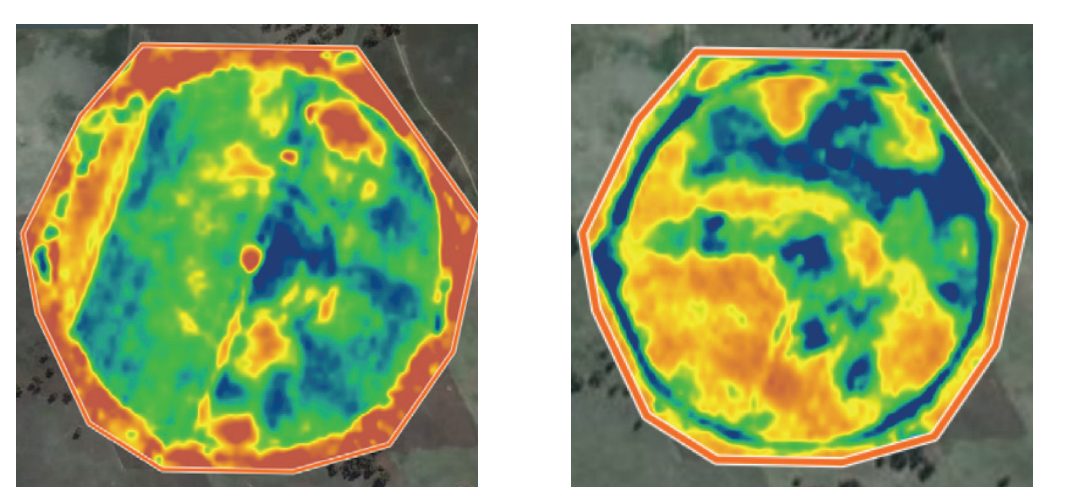
Precision agriculture offers a range of tools for monitoring salinity and crop vigour, including NDVI (Normalized Difference Vegetation Index) technology and remote sensing. This article introduces these techniques and their applications in potato production, demonstrating how they can assist with early detection of salinity issues and prevent costly crop losses. By combining in-field measurements, soil testing, and remote sensing, farmers and agricultural researchers can optimize irrigation management, minimize salinity risks, and maximize crop yields.
Precision Agriculture – other useful salinity monitoring tools NDVI technology offers a non-invasive and cost-effective way to monitor crop vigour from satellite imagery or drone flights. Spatial plant vigour data can identify areas with potential salinity issues before they become visually apparent. Crop vigour often varies across paddocks due to differences in soil salinity or irrigation practices, making NDVI a valuable tool for detecting these issues quickly and implementing corrective measures.
Source: https://mailchi.mp