
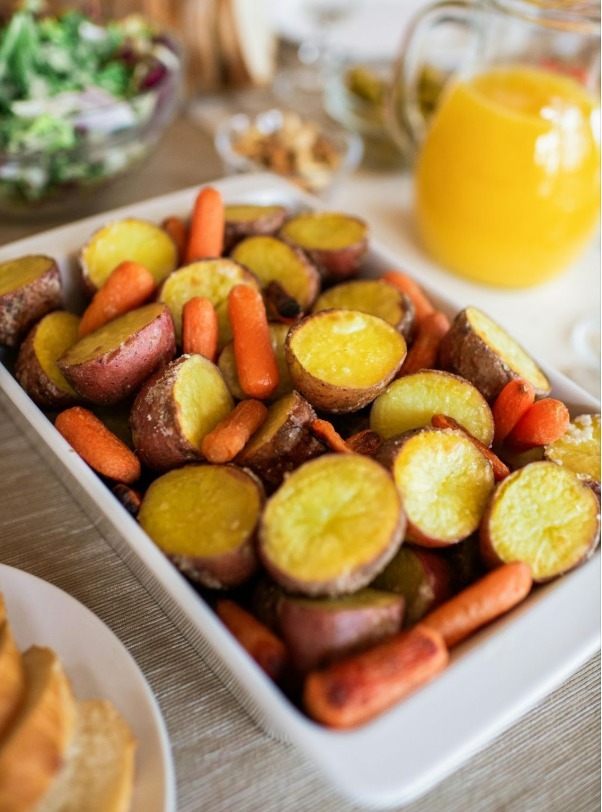
On the island of Chiloé — one of the world’s major centers of potato domestication — native potatoes are far more than a crop. They are a living cultural treasure, a genetic reservoir and the foundation of a centuries-old farming system that continues to sustain local communities.
With colors ranging from deep purple to bright yellow, diverse shapes and exceptional adaptability, these native varieties remain central to the identity and agricultural resilience of the Chiloé archipelago.
Why Chiloé’s Native Potatoes Matter
A Global Genetic Hotspot
Chiloé is internationally recognized as a cradle of potato diversity. Its native varieties contain genetic traits linked to:
- resistance to cold and humidity,
- tolerance to short daylight conditions,
- unique culinary qualities,
- high adaptability to marginal soils.
These traits have global relevance, especially as climate change challenges potato production worldwide — a trend regularly highlighted on Potatoes News.
Cultural and Historical Significance
For Chilote families, native potatoes are inseparable from their traditions.
They are planted, harvested and shared through deeply rooted community practices, forming part of local feasts, markets and identity.
Rich Culinary Heritage
Varieties like Michuñe, Bruja, Clavela, Cabra and Cacho de Gallo bring unique colors and textures to traditional dishes. Many are prized for their firm flesh, strong pigmentation or distinctive flavors.
The Farming System of Chiloé: Diversity as a Strategy
Chiloé’s traditional agriculture relies on polyculture, seed exchange and multigenerational knowledge transfer.
Polyculture Fields
Potatoes are often grown alongside legumes, cereals and traditional herbs, reducing risk and improving soil health.
Seed Exchange Networks
Families and communities maintain diversity by exchanging, gifting or preserving seed tubers.
These social systems ensure that rare varieties survive.
Adaptation to Harsh Conditions
Chiloé’s climate — cool, wet and often unpredictable — has shaped resilient landraces capable of thriving where modern commercial varieties often fail.
Challenges Facing Native Potatoes Today
Despite their value, native varieties face increasing pressures:
Market Homogenization
Commercial demand favors standardized varieties, limiting incentives for producers to maintain native diversity.
Aging Rural Population
Many custodians of traditional seed knowledge are elderly. Younger generations often migrate, reducing continuity.
Climate Variability
Irregular rainfall and shifting seasons threaten the delicate balance of traditional planting cycles.
Potatoes News has observed similar patterns in indigenous potato regions across the Andes — Peru, Bolivia and Ecuador — where native varieties require protection and renewed economic opportunities.
Opportunities for Preservation and Growth
Gastronomy and Tourism
Chefs across Chile are rediscovering native potatoes for high-value cuisine, creating new demand for local varieties.
Niche Markets
Colorful, heritage potatoes attract consumers seeking authentic, minimally processed foods.
Conservation Programs
Collaborations between farmers, universities and conservation groups support seed banks and community-led preservation.
Climate-Resilient Agriculture
Given their unique genetics, native potatoes could play an important role in future breeding programs aimed at resilience and adaptability.
Potatoes News Analytics: A Model for Global Lessons
Chiloé’s native potato system offers insights relevant far beyond Chile:
- Diversity strengthens resilience.
- Traditional knowledge can complement modern agronomy.
- Local varieties often hold the keys to future climate adaptation.
Regions worldwide — from Europe to Central Asia — can learn from the preservation models seen in Chiloé.
Conclusion
The native potatoes of Chiloé are more than an agricultural product — they are a living heritage. Their genetic richness, cultural value and adaptability make them indispensable to Chile’s identity and to global potato biodiversity.
The important question now is:
How can Chile strengthen conservation and create new opportunities so that Chiloé’s native potatoes continue to thrive for generations to come?
Chile (Chiloé): Papas nativas, patrimonio vivo y base del sistema
argenpapa.com.ar/noticia/16764-