Strategies for Mitigating Heat Damage and Ensuring Crop Health
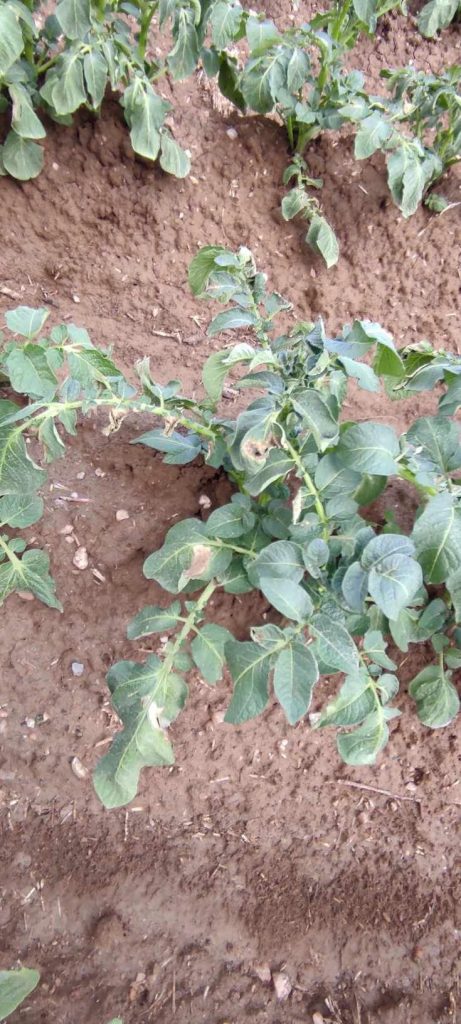
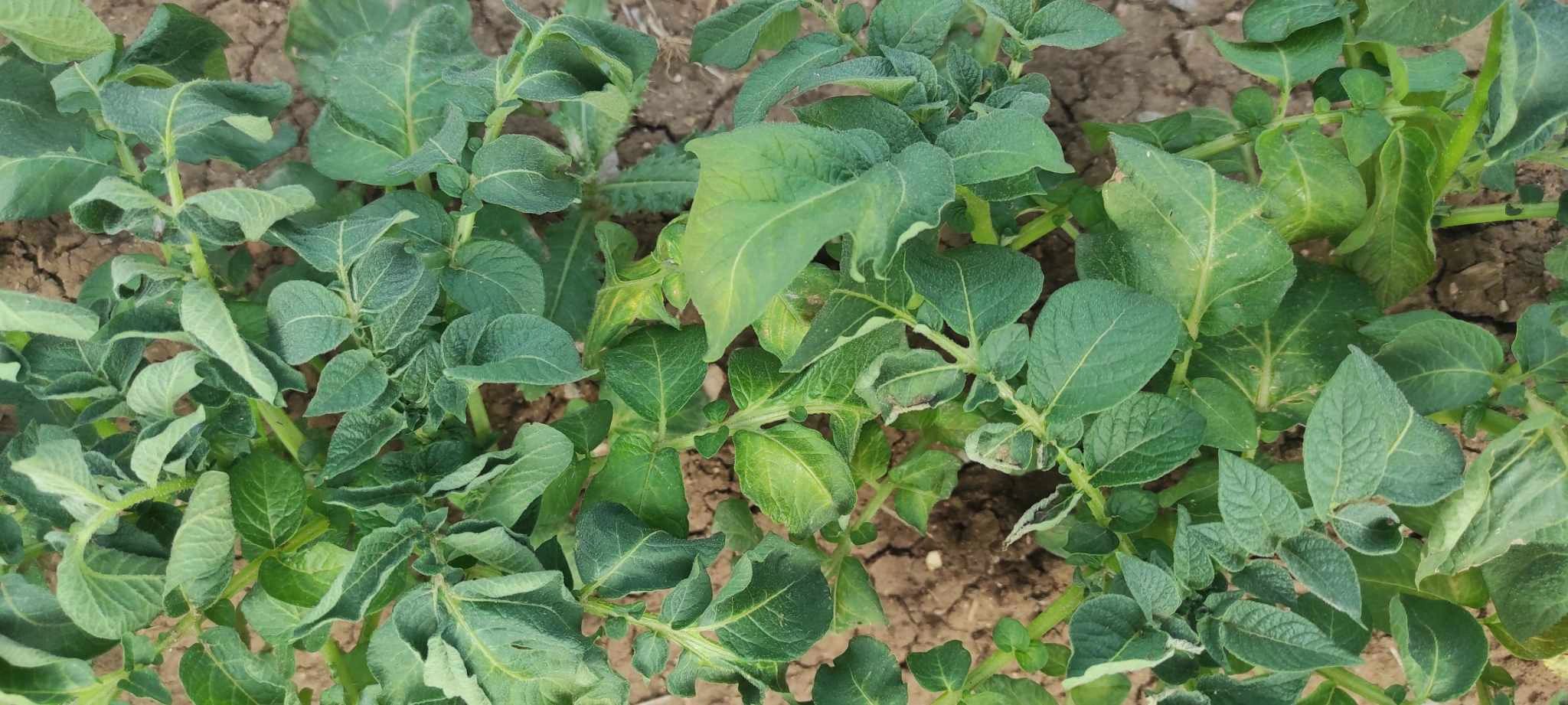
The recent surge in temperatures, with daily highs ranging from 29 to 35 degrees Celsius, has brought substantial stress to potato fields, as noted by agricultural expert Kamil Aşkın. Potato plants are particularly vulnerable to such heat, which can lead to a range of physiological issues, including water loss through transpiration, reduced photosynthesis, and eventual plant damage.
During periods of extreme heat, photosynthesis rates in potato plants can decrease by up to 25% when temperatures exceed 30 degrees Celsius. This reduction in photosynthesis directly impacts plant growth and vitality, leading to noticeable symptoms such as leaf tip burn, yellowing, and overall wilting.
Farmers have observed these symptoms and may mistake them for diseases like late blight (Phytophthora infestans). However, it is essential to recognize that late blight thrives in conditions of 19-22 degrees Celsius with high humidity above 80%, and it is unlikely to develop in the current high temperatures. Therefore, misidentifying heat stress as a fungal infection could lead to unnecessary chemical treatments, further stressing the plants.
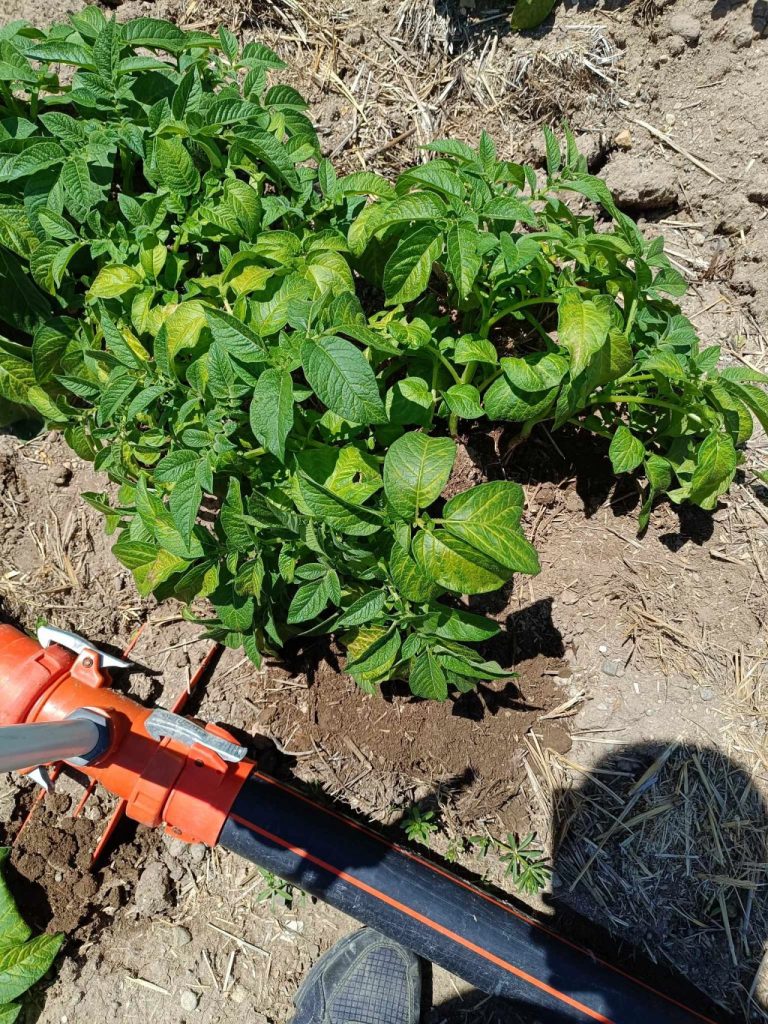
To effectively manage heat stress, farmers should focus on the following strategies:
- Optimal Irrigation Timing: Conduct watering in the early morning or late evening when temperatures are cooler. This practice helps minimize water loss and ensures that plants can absorb moisture effectively without excessive evaporation.
- Avoid Midday Fertilization: Applying fertilizers, especially those high in nitrogen like urea, during the midday heat can scorch the leaves. If necessary, ensure ample water follows the application to prevent damage.
- Leaf Cooling Techniques: During the hottest part of the day, consider cooling the soil through irrigation to prevent lower leaves from wilting due to the heated ground. This method helps maintain a suitable microclimate for the plants.
- Calcium-Rich Fertilizers: Use calcium-containing top fertilizers to help mitigate heat stress. Calcium supports cell wall stability, which is crucial during periods of high temperature.
- Monitor Plant Responses: Keep an eye on any silvering on the underside of leaves, which can be an indicator of heat damage exacerbated by hot, dry winds.
It is also important to note that potato plants close their stomata to conserve water when temperatures rise above 32 degrees Celsius, reducing their ability to absorb applied treatments. Therefore, any necessary applications of plant protection products or additional fertilization should be done when the plants’ stomata are open—preferably in the cooler early morning or late evening hours.
Weather forecasts predict a reduction in these extreme temperatures by Friday, which should alleviate some of the stress on the crops. In the meantime, implementing these heat management practices will help minimize damage and support the continued growth of healthy potato plants.
By understanding and addressing the specific challenges posed by sudden heatwaves, potato farmers can better protect their crops and maintain productivity. These proactive measures are essential for adapting to the increasing frequency of extreme weather events and ensuring sustainable agricultural practices.