NRCS and University of Minnesota Extension Offer Comprehensive Workshop for Soil Health Testing
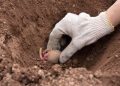
The Minnesota Natural Resources Conservation Service (NRCS) and University of Minnesota Extension are teaming up to provide a valuable training opportunity for those interested in soil health assessment. Scheduled for August 16, 2024, from 10 a.m. to 2 p.m. at the Minnesota Landscape Arboretum’s “Farm at the Arb” in Chaska, MN, this free training aims to equip certified crop advisers (CCAs) and other interested individuals with the skills needed to perform soil health sampling and analysis under the Crop Evaluation and Monitoring Activity-216 (CEMA-216) program.
Training Overview
The workshop will cover a range of topics essential for effective soil health testing and interpretation:
- Introduction to CEMA-216 Sampling Procedures: Participants will learn the correct procedures for setting up soil sampling zones and completing the necessary paperwork for the CEMA-216 program.
- Detailed Testing Methods: Attendees will receive instruction on various soil health tests, including soil organic carbon, wet macro-aggregate stability, permanganate-oxidizable carbon, and microbial diversity tests, among others.
- Interpretation and Decision-Making: The session will also address how to interpret test results and use this information for on-farm decision-making, focusing on how these insights can inform and improve soil management practices.
Key Trainers
The training will feature experts from the field:
- Dr. Anna Cates, University of Minnesota Extension
- Stephanie McClain, MN NRCS State Soil Health Specialist
- Ryan Buetow, MN NRCS State Agronomist
- Kat LaBine, Department of Soil, Water, and Climate
Funding and Costs
While traditional soil nutrient tests are generally inexpensive, ranging from $20 per sample, advanced soil health tests can cost between $30 and $100 per sample. CEMA-216 funding offers a financial reprieve, covering costs from $65 for individual tests to approximately $220 for comprehensive test series. This funding supports tests such as soil organic carbon, soil texture, pH levels, and microbial diversity, which are crucial for understanding soil health and making informed management decisions.
Additional Notes
Soil health tests often show gradual changes over time. For meaningful comparisons, it is advisable to conduct follow-up tests two to three years after initial sampling, especially after implementing new soil management practices.