Wireworms thrive in poorly managed agricultural systems. One major reason for their proliferation is crop rotation neglect. Repeatedly planting susceptible crops like potatoes, carrots, or beets in the same field leads to a buildup of wireworm populations. According to a 2023 study by the Journal of Economic Entomology, fields under continuous monoculture see a 30-50% increase in wireworm damage over five years.
Another key factor is poor field hygiene. Weeds, crop residues, and untilled soil create ideal breeding grounds. Research from the University of Nebraska-Lincoln (2022) found that fields with minimal tillage had twice as many wireworms compared to those with regular deep plowing.
How to Detect Wireworm Infestation
Early detection is crucial to minimizing crop losses. Key signs include:
- Damaged root crops—potatoes and other tubers show narrow holes and deep tunnels, reducing marketability and storage life.
- Wilting seedlings—young plants die off unexpectedly due to root feeding.
- Visible larvae & adult beetles—wireworm larvae (1-4 cm, yellow-brown) and dark-colored click beetles (which “click” when flipped) indicate an active infestation.
A 2024 report by FAO estimates that wireworms cause up to 20% yield loss in untreated potato fields.
Preventive Measures Against Wireworms
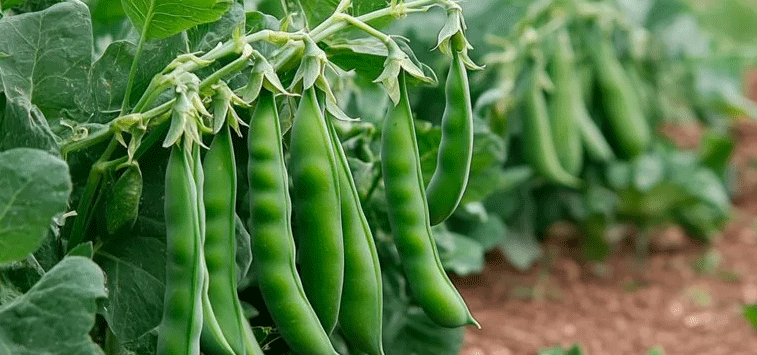
- Crop Rotation – Introducing legumes (peas, beans, soy) before root crops disrupts wireworm life cycles.
- Soil Tillage – Deep autumn plowing exposes larvae to cold and predators, reducing populations by 40-60% (USDA, 2023).
- Biofumigation with Cover Crops – Mustard and phacelia release natural compounds that repel wireworms.
- Soil pH Management – Liming acidic soils (pH <6.0) deters wireworms, as they prefer acidic conditions (European Journal of Agronomy, 2024).
Effective Control Methods
- Traps – Potato baits soaked in insecticide can reduce larvae numbers by 30% per application (Agriculture and Forest Entomology, 2023).
- Chemical Treatments – Insecticides like Basudin and Prestige remain effective but must be used judiciously to avoid resistance.
- Biological Control – Nematode-based products (Nemabakt) and fungal agents (Metarhizin) offer eco-friendly suppression, reducing wireworm populations by 50-70% in field trials (Biological Control Journal, 2024).
Wireworm management requires integrated strategies: proper crop rotation, soil cultivation, and targeted treatments. Combining preventive measures with biological or chemical controls ensures long-term protection. Stay vigilant—consistent monitoring and soil health practices are key to keeping these pests at bay.