Across Kenya’s potato-growing highlands, small-scale farmers are navigating shrinking land sizes, unpredictable rainfall, rising pest pressure and escalating input costs. For farmers producing potatoes on small plots, the challenge is no longer just about yield it is about resilience, affordability and long-term soil health. This is where agroecology is steadily changing the story.
What agroecology means for potato farmers
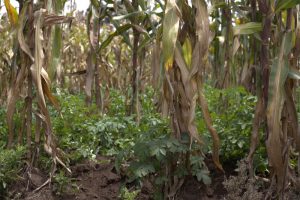
Agroecology is a practical, farmer-driven approach that works with nature rather than against it. In potato production, it focuses on rebuilding soil fertility through composting and crop rotations, conserving moisture using mulching and water-harvesting techniques and managing pests through crop diversity and ecological balance instead of heavy chemical reliance. For many farmers, agroecology simply means healthier soils, stronger potato plants and more reliable harvests.
Making small spaces work harder
Most potato farmers operate on limited land. Agroecology helps them make the most of small spaces by:
- Rotating potatoes with legumes to naturally restore soil nutrients
- Using intercropping, border crops and cover plants to suppress pests
- Improving soil organic matter so productivity increases without expanding land
Healthy soils do more than grow potatoes they retain water, reduce erosion and cushion crops against climate shocks.
Who is supporting the transition?
The shift toward agroecological potato farming is being strengthened by organizations working closely with farmers on the ground. Seed Savers Network is supporting farmer-managed seed systems and agrobiodiversity conservation, ensuring access to quality, locally adapted potato seed. Nakuru Living Lab provides a platform for innovation, learning and testing climate-smart agroecological practices in real farming conditions. Meanwhile, Wakulima Help Desk plays a critical role in linking farmers to timely information, advisory services and market knowledge, helping them make informed production decisions. Together, these organizations are shaping a more farmer-centered, nature-positive potato value chain.
Why agroecology matters now
✔ Strengthens climate resilience in potato systems
✔ Reduces dependence on costly external inputs
✔ Empowers small-scale farmers through knowledge, collaboration and local solutions
Looking ahead
Agroecology is proving that potato farming in Kenya can be productive, profitable and sustainable even on small plots. By restoring soils, strengthening local seed systems and valuing farmer knowledge, this approach is helping farmers secure both today’s harvests and tomorrow’s livelihoods.
In Kenya’s potato fields, agroecology is no longer an alternative it is becoming the future.